
ACTION ALERT
Keep Our Wild
Forests Roadless
Together we keep the wild standing.
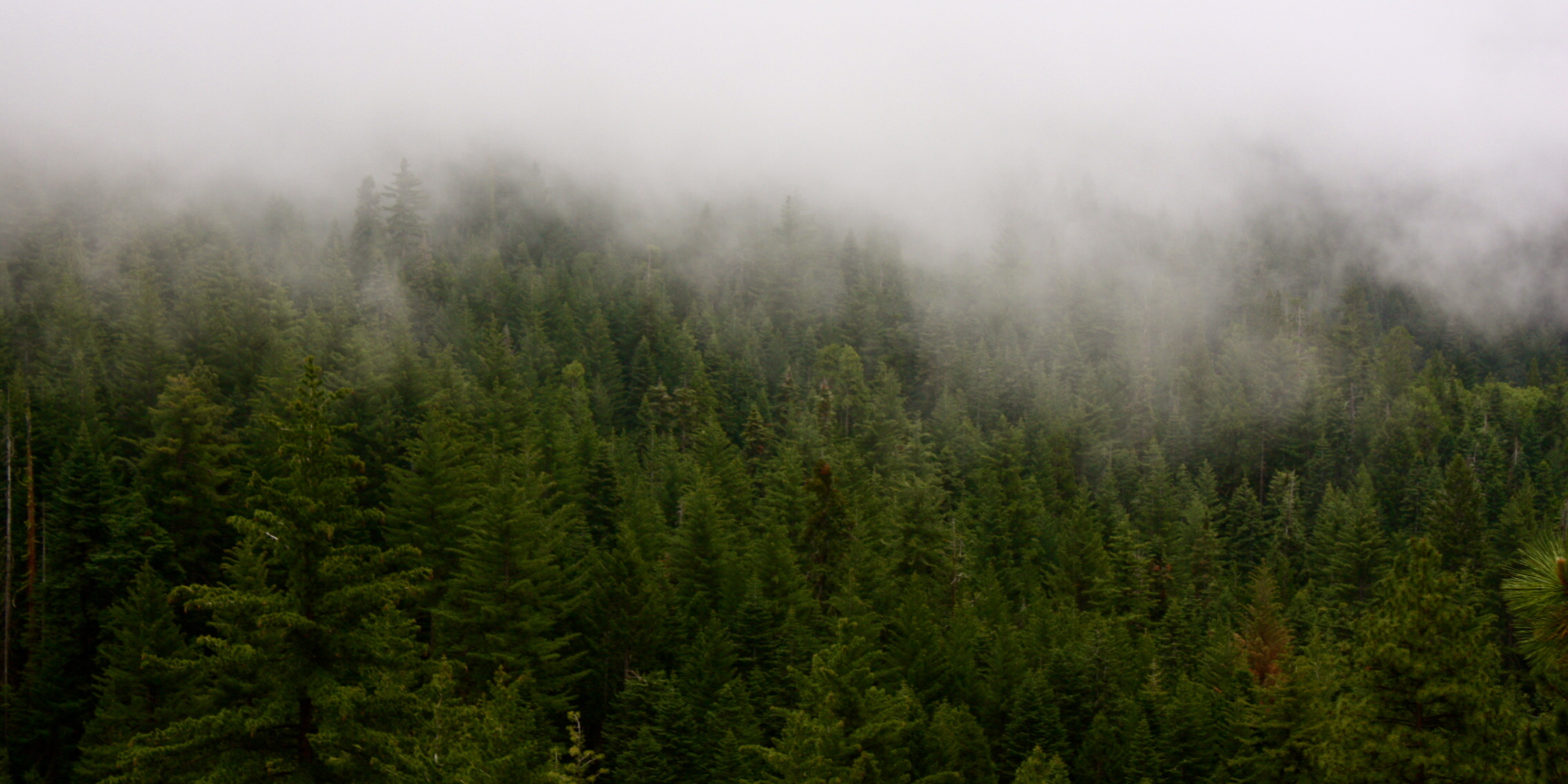
For more than two decades, the Roadless Rule has protected 58 million acres of undeveloped forests across the country from destructive roadbuilding and logging. These forests safeguard clean water, wildlife habitat, and carbon storage, and they give communities a chance to experience the wild.
Now, the USDA has proposed repealing the Roadless Rule—threatening forests nationwide, including over 400,000 acres of Sierra Nevada roadless lands in Stanislaus National Forest, right in our backyard. These wild forests shelter the headwaters of the Tuolumne and Stanislaus rivers, ensuring clean water and resilient ecosystems downstream.
History of the Roadless Rule
A Brief History:
Origins (1998–2001):
In 2001, the Roadless Area Conservation Rule was adopted to protect 58 million acres of undeveloped forestland across the U.S. from new road construction, logging, and mining.Two Decades of Protection:
For over 20 years, roadless areas have helped safeguard drinking water, fish and wildlife, carbon storage, and recreation opportunities.Resilience Amid Challenges:
Despite carve-outs in places like Alaska and Idaho, the Roadless Rule remains one of our strongest conservation protections—because people spoke up to defend it.Now at Risk (2025):
USDA has proposed rescinding the rule nationwide, putting 45 million acres of forests—including over 400,000 acres in California’s Sierra Nevada, including Stanislaus National Forest—at risk.
The Threat to Stanislaus National Forest:
Nationally, repeal would open up ~45 million acres of roadless forest to roadbuilding and logging.
In California, 4.4 million acres of national forest land are currently protected under the rule.
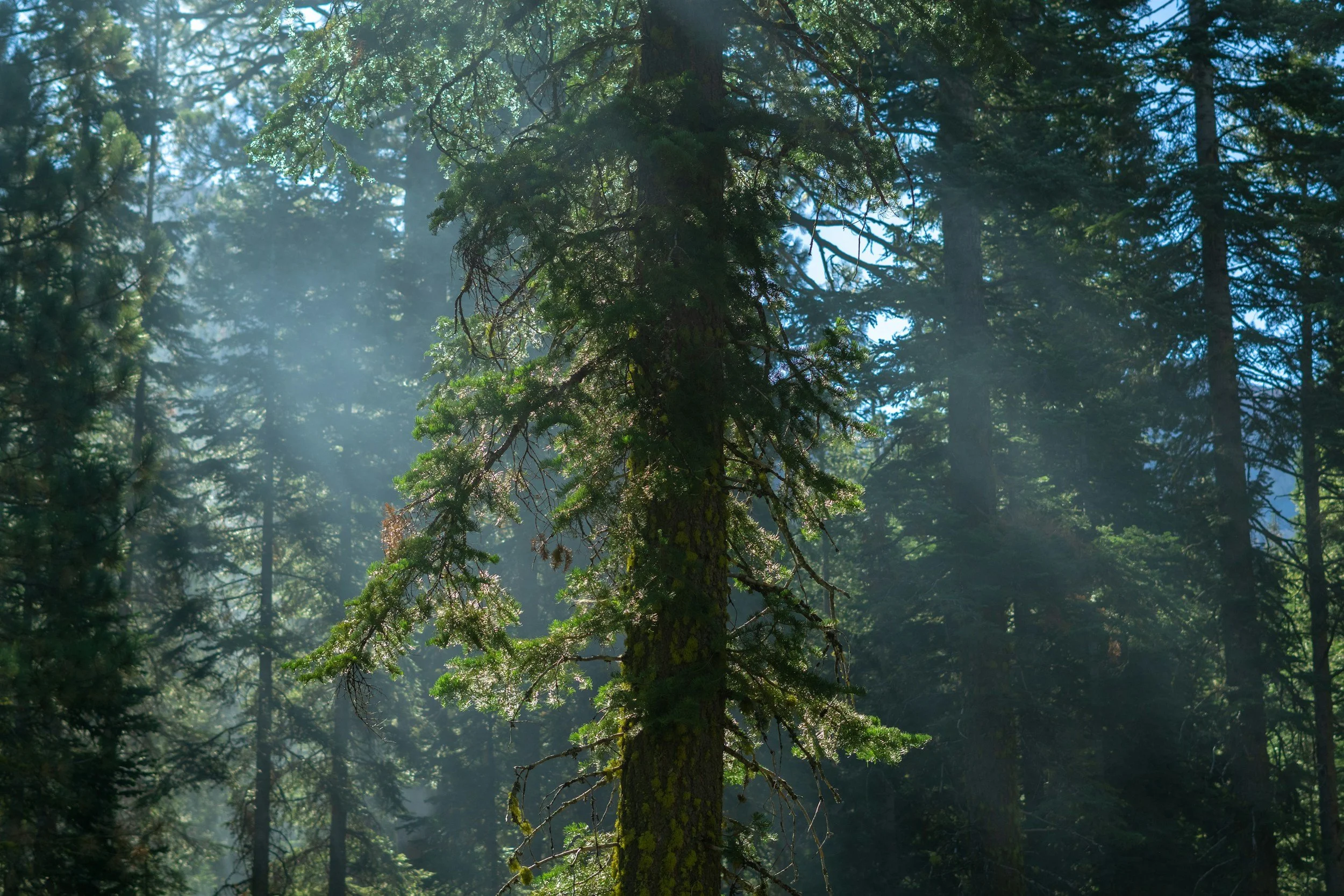
Local impact: More than 400,000 acres of Sierra Nevada roadless forest, including in Stanislaus National Forest, could be opened to roadbuilding and logging.
If protections are removed, roads and clearcuts could fragment these forests, increase erosion into rivers, and undo decades of restoration work downstream.
And here’s another reality check:
Stanislaus National Forest already has about 3,000 miles of roads. Hundreds are in such poor condition that they’re unusable, and many contribute to erosion and sediment loading in local streams—degrading water quality and fish habitat. The U.S. Forest Service is already underfunded and unable to maintain its existing road system.
So why build even more roads when we can’t afford to take care of the ones we already have? Repealing the Roadless Rule isn’t just bad for forests and rivers—it’s fiscally irresponsible.
Take Action
You can write and submit your own comments by visiting this link and clicking the green “Submit a Public Comment” button in the top right corner. Your comments can be as long or as short as you like—even one sentence can convey your thoughts!
If you would like to include comments specific to the greater Yosemite region, here are some critical talking points:
Personal Connection: Share why national forests matters to you—whether through a hike, a fishing trip, or family tradition.
Focus on Watershed Headwaters: Roadless areas protect the Tuolumne, Merced, and Stanislaus rivers from erosion, silt, and rising temperatures.
Restoration Work Undone: Decades of meadow and river restoration are vulnerable if their source forests are lost.
Ecosystem Resilience: Roadless forests store carbon, provide wildlife corridors, and buffer against megafires. Roads fragment and weaken those protections.
Deadline: Submit your comment by September 19, 2025.
Stay Connected and Spread the Word!
Your voice matters—and so does your community’s. Once you’ve submitted your public comment, help us build momentum:
Share this alert with friends, family, and networks. Encourage them to add their voices before the Sept. 19 deadline.
Post on social media to raise awareness and keep attention on protecting our wild forests.
Together, we can defend Stanislaus National Forest and wild forests across the nation.
