Impact Report 2025
A Year of Challenge & Change
Rooted in community. Rising for rivers.
Meeting the Moment
Building resilience, together
Dear Community,
This past year has asked a lot of all of us. While your dollars were at work preventing the next catastrophic megafire, you were also putting out fire after fire from the federal government. Environmental protections have been rolled back and critical funding threatened— throwing entire conservation programs into uncertainty. These realities remind us that the future of our rivers, forests, and communities is not certain, and that the work of protecting them must continue with both urgency and care.
For more than forty years, Tuolumne River Trust has adapted to meet each moment. What began as a small band of rafters and anglers fighting to keep the Tuolumne wild has grown into a movement that restores meadows, replants forests, and flights for clean water from Yosemite to the San Francisco Bay. Like the river, we have carved new paths, found strength in community, and endured through changing conditions.
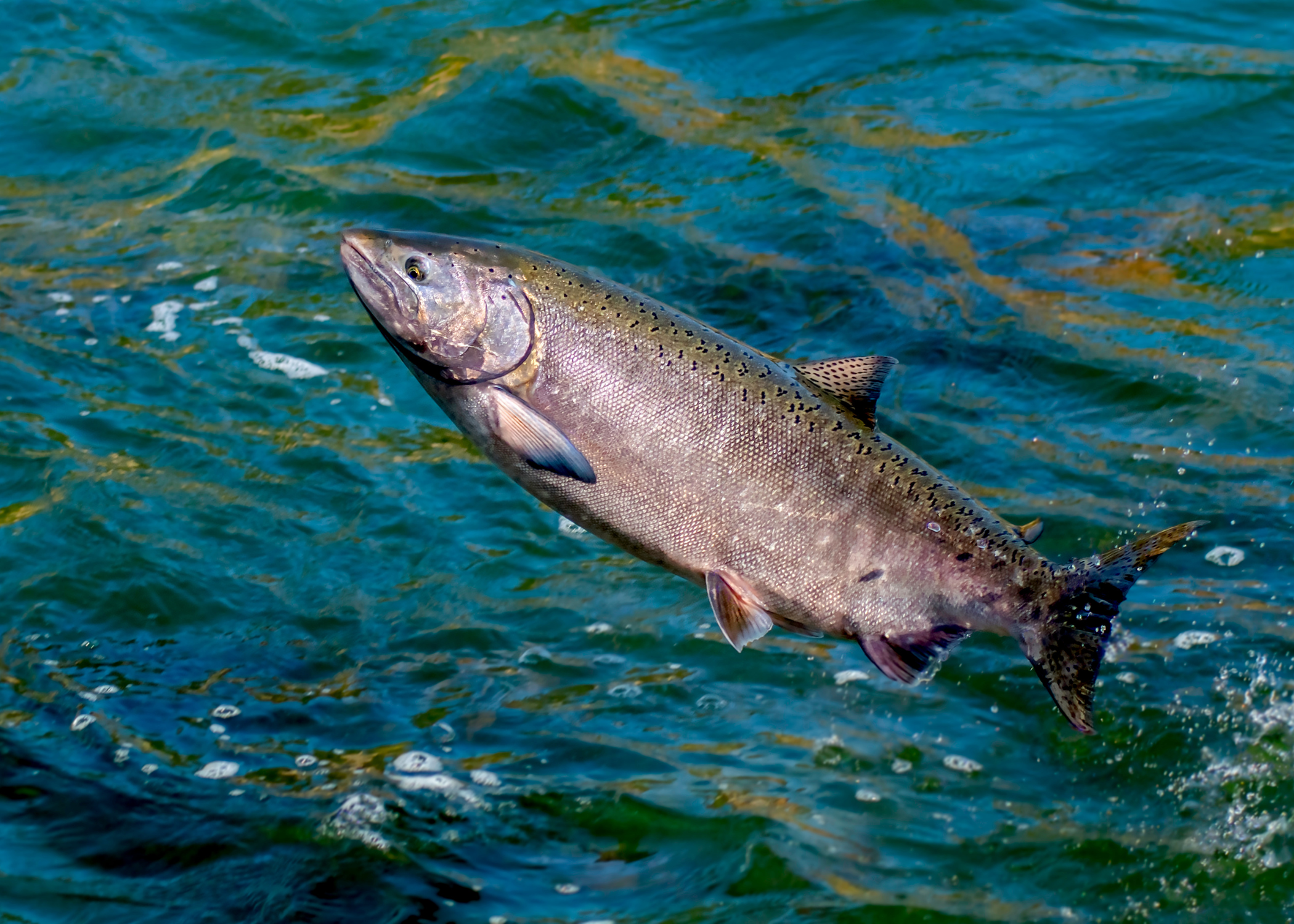
This year, you planted more than half a million trees, restored high-country meadows that hold water and store carbon, and opened new salmon habitat at La Grange. In the Central Valley, you helped kids raft the Tuolumne for the first time and leave their mark by planting willows on its banks. In the Stanislaus National Forest, you worked alongside federal partners to reduce fire risk and safeguard ecological and cultural sites. And through advocacy, you pressed for stronger river flows while lifting up the remarkable return of spring-run Chinook to the Tuolumne for the first time in decades. These accomplishments, though diverse, share a common thread: resilience made possible by people working together.

We know that the challenges ahead are steep. But history shows us that when we adapt, we endure. This is why the next chapter of our story will look different. In the months ahead, Tuolumne River Trust will unveil a new name and brand that reflects the full scope of our work and the broad alliance it will take to safeguard the Greater Yosemite Region. Our mission remains the same: to ensure healthy rivers, resilient forests, and thriving communities. What is evolving is how we tell our story, build sustainability for the long term, and invite more people to join us.
Change can be unsettling, but it can also be energizing. We are not walking away from who we have been; we are carrying that legacy forward into a larger vision. The river lovers who fought to protect the Tuolumne more than four decades ago could not have imagined all that we would accomplish together. In the same way, we cannot yet see the full shape of the future we are building—but we know it will depend on us, united, adapting, and committed to the river.
I am deeply grateful to each of you who has stayed the course through these challenges. This report reflects your persistence as much as ours. Together, we are not only meeting the moment, we are shaping what comes next.
“The river’s story is our story, and together we are shaping a future where it continues to flow wild and free.”
Patrick Koepele
Executive Director, Tuolumne River Trust
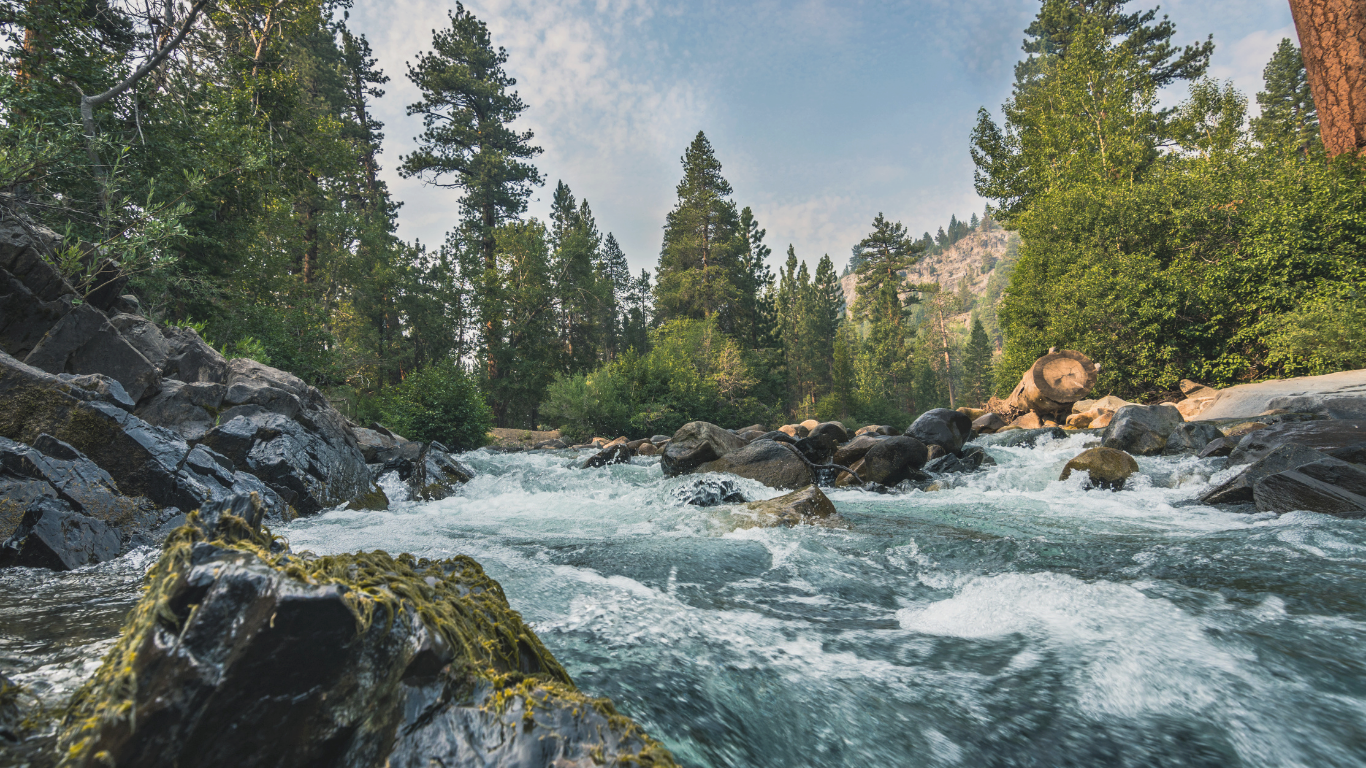
We’re here to strengthen the vital bonds between rivers, forests, wildlife, and communities so we can protect our future.
Our 2025
In Numbers
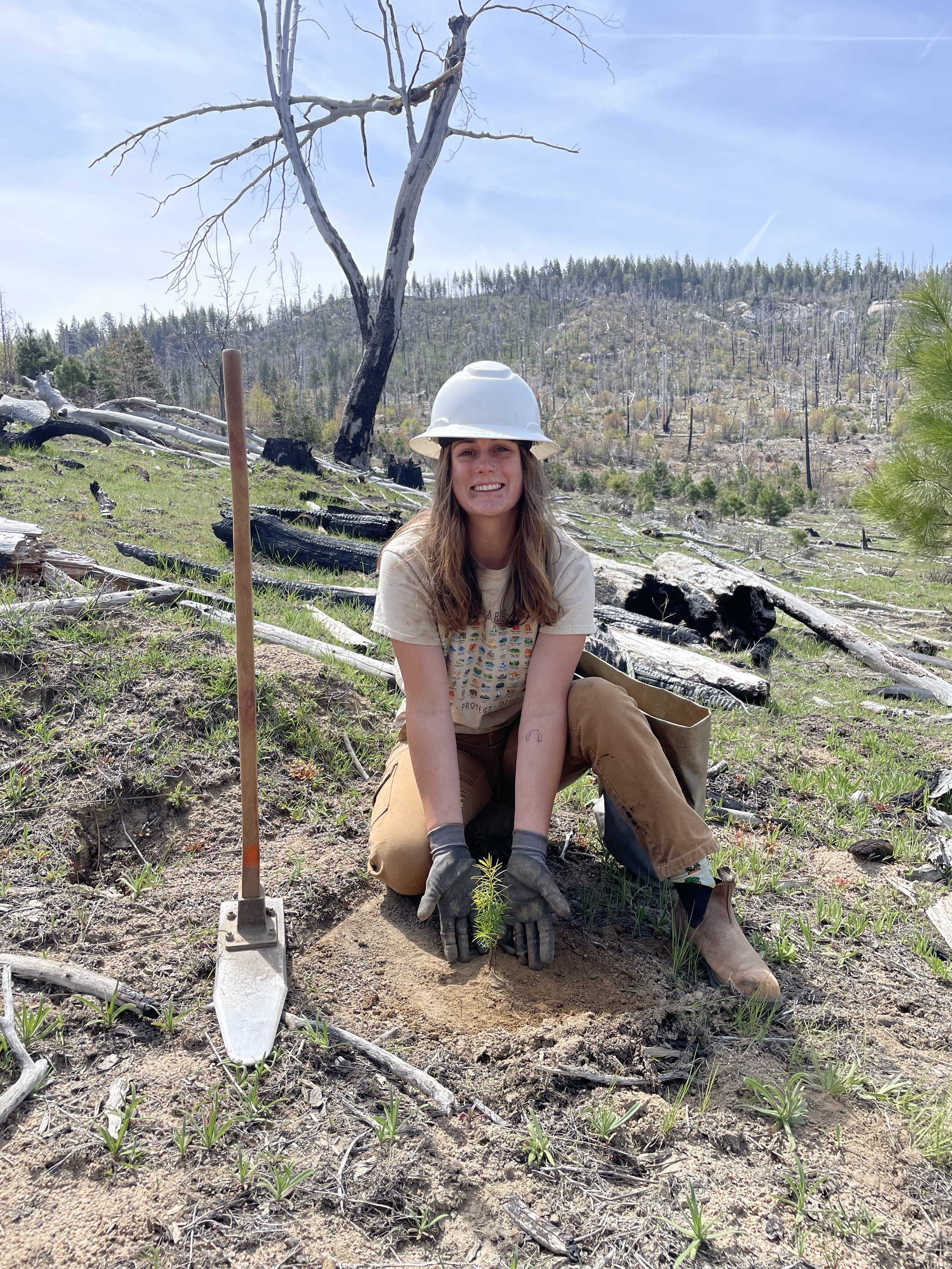
531,408
Trees planted across 1,980 acres

1,614
Acres treated for wildfire resilience
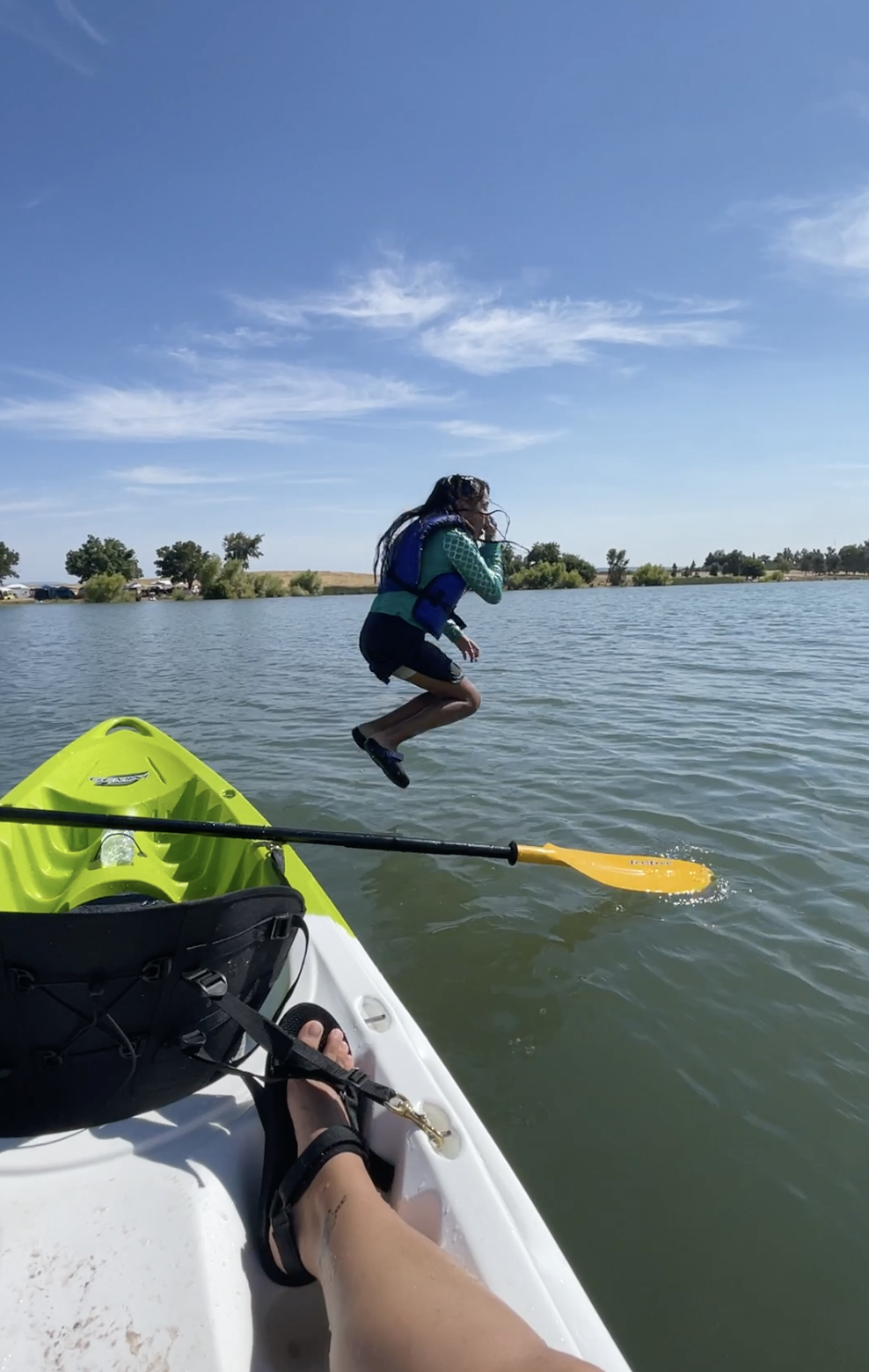
779
People engaged in river recreation
24,000
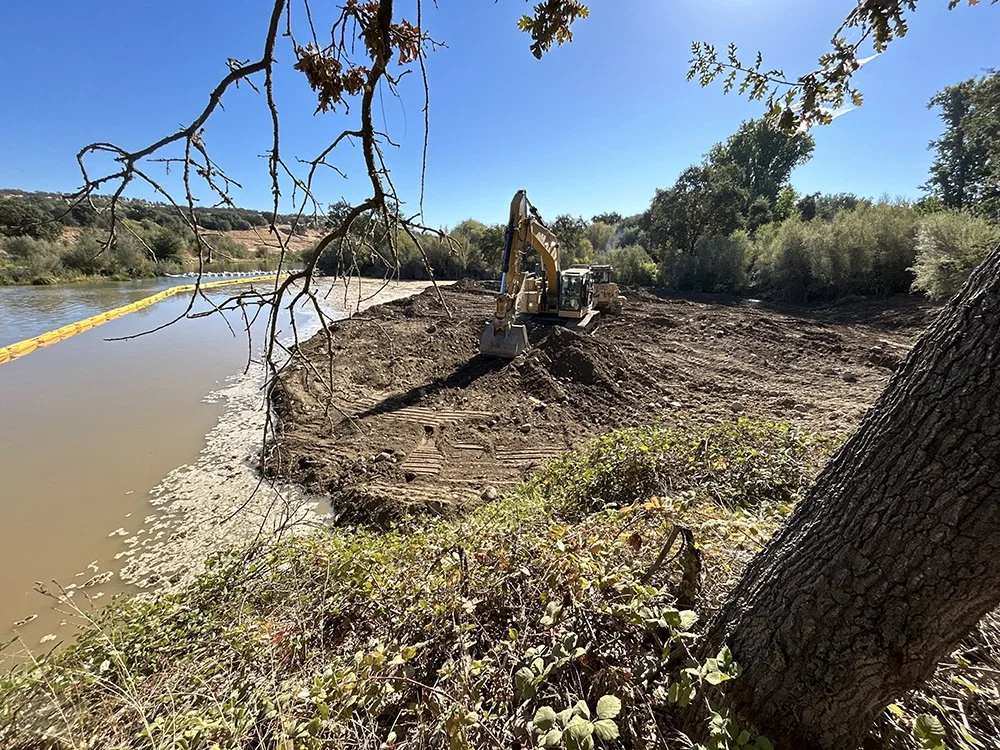
Native vegetation planted for salmon habitat
218
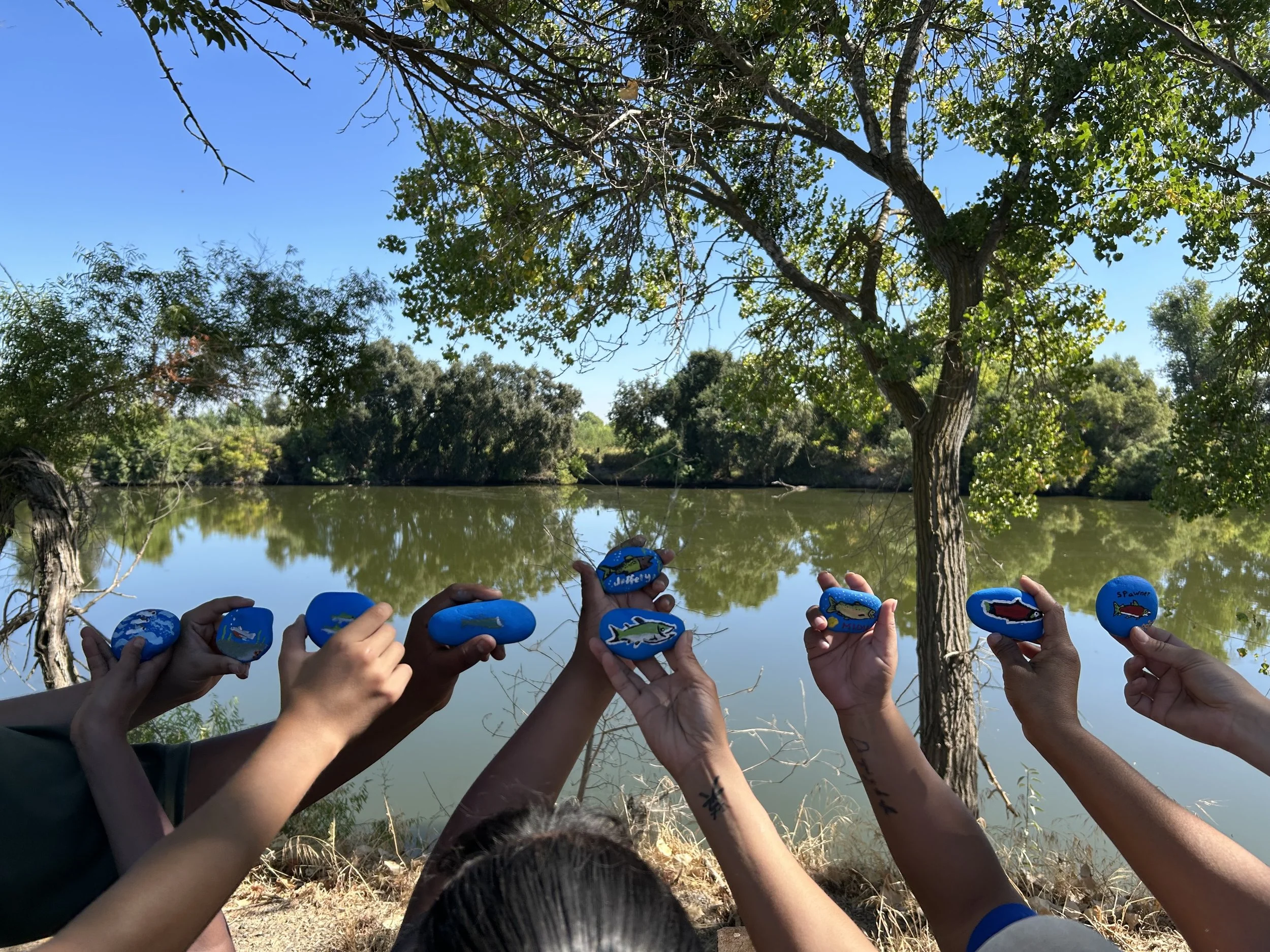
Students participated in hands-on education
157
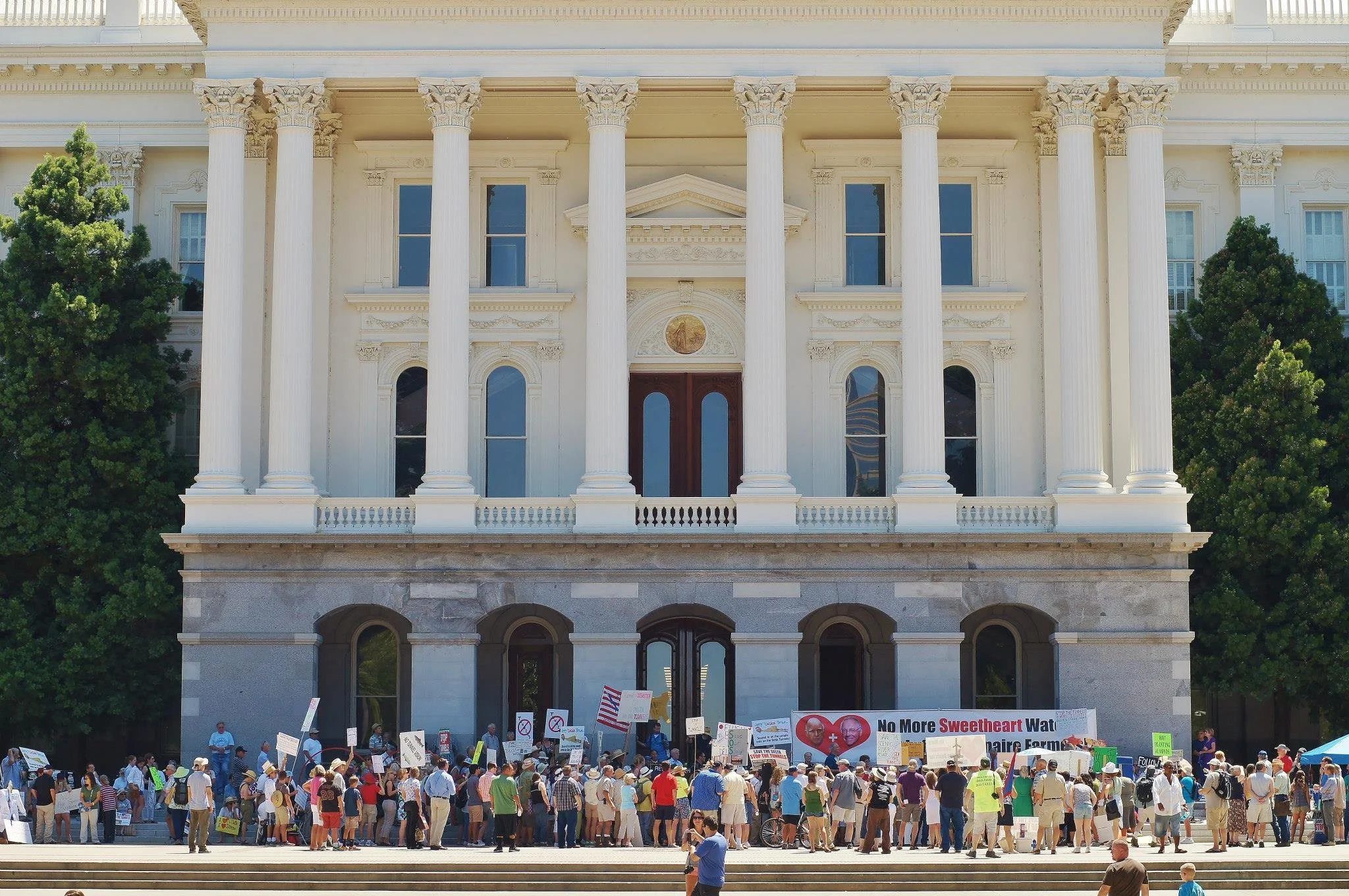
Volunteers engaged in policy advocacy
52
Testimonies delivered
6
River clean-ups supported keeping waterways safe
and healthy
RIPPLES OF IMPACT
From grassroots advocacy to meadows reborn, these are the stories that shaped 2025.

Grassroots to Policy Wins
From a neighbor’s knock to statewide advocacy.
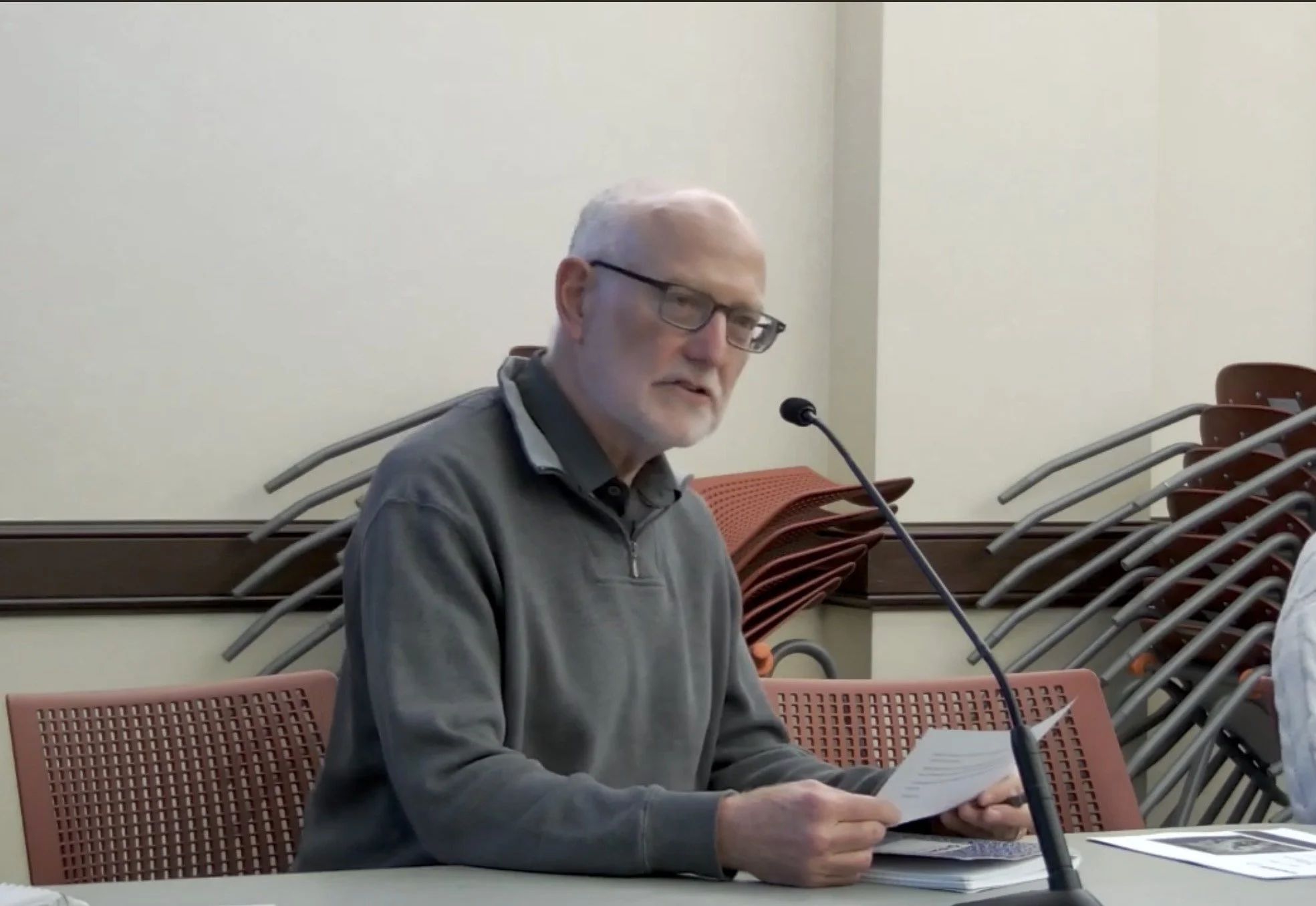
When longtime TRT supporter Dave Warner answered a knock at his door from our policy director, Peter Drekmeier, he had no idea it would spark a journey into advocacy. What began with a single conversation grew into action: testifying at hearings, submitting comments, and joining a chorus of community members speaking up for salmon and river health.
This year, our policy work — powered by volunteers like Dave — was stronger than ever. Together, we:
Mobilized 157 volunteers in water policy advocacy
Delivered testimony at 52 hearings and public meetings
Participated in 12 coalitions and working groups
Submitted 245 pages of technical comments on river flows, dam licensing, and habitat protection
These collective efforts pressured agencies to consider science-based solutions, challenged inflated water supply projections, and elevated the presence of wild salmon in the Tuolumne. They also earned TRT the 2025 Delta Advocate Award from Restore the Delta.
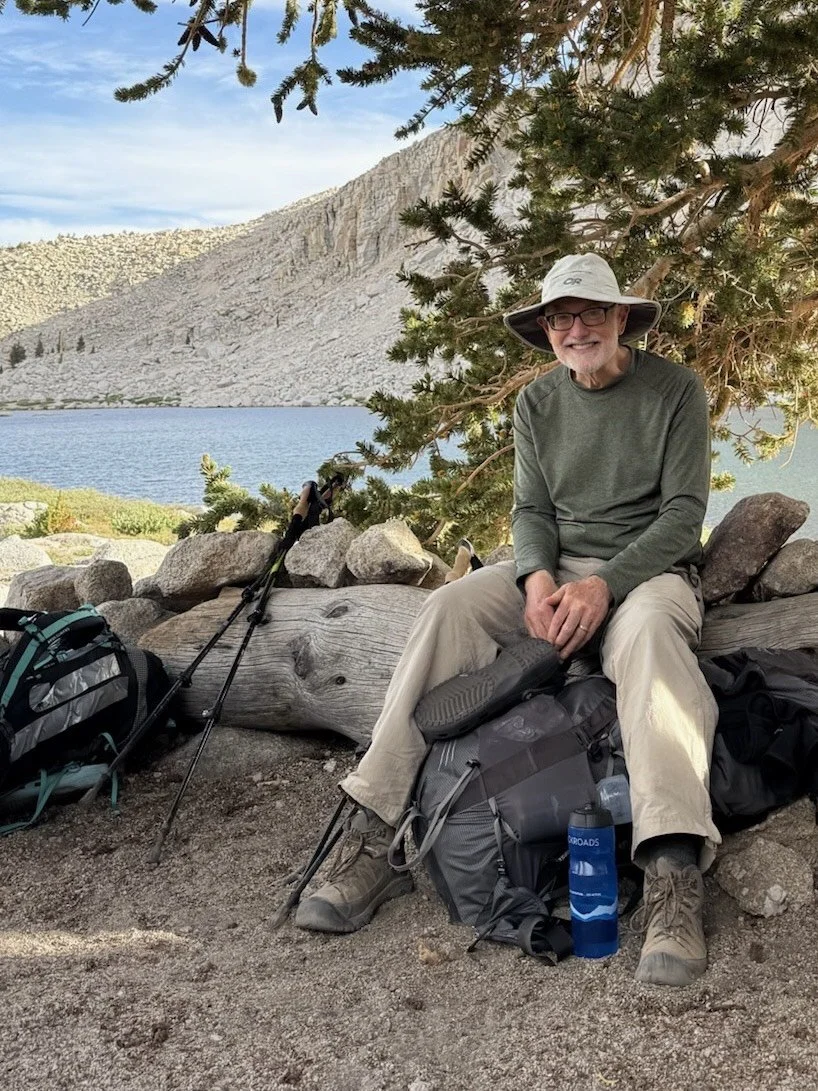
Volunteer Spotlight: Dave Warner
Advocacy Rooted in Persistence and Community
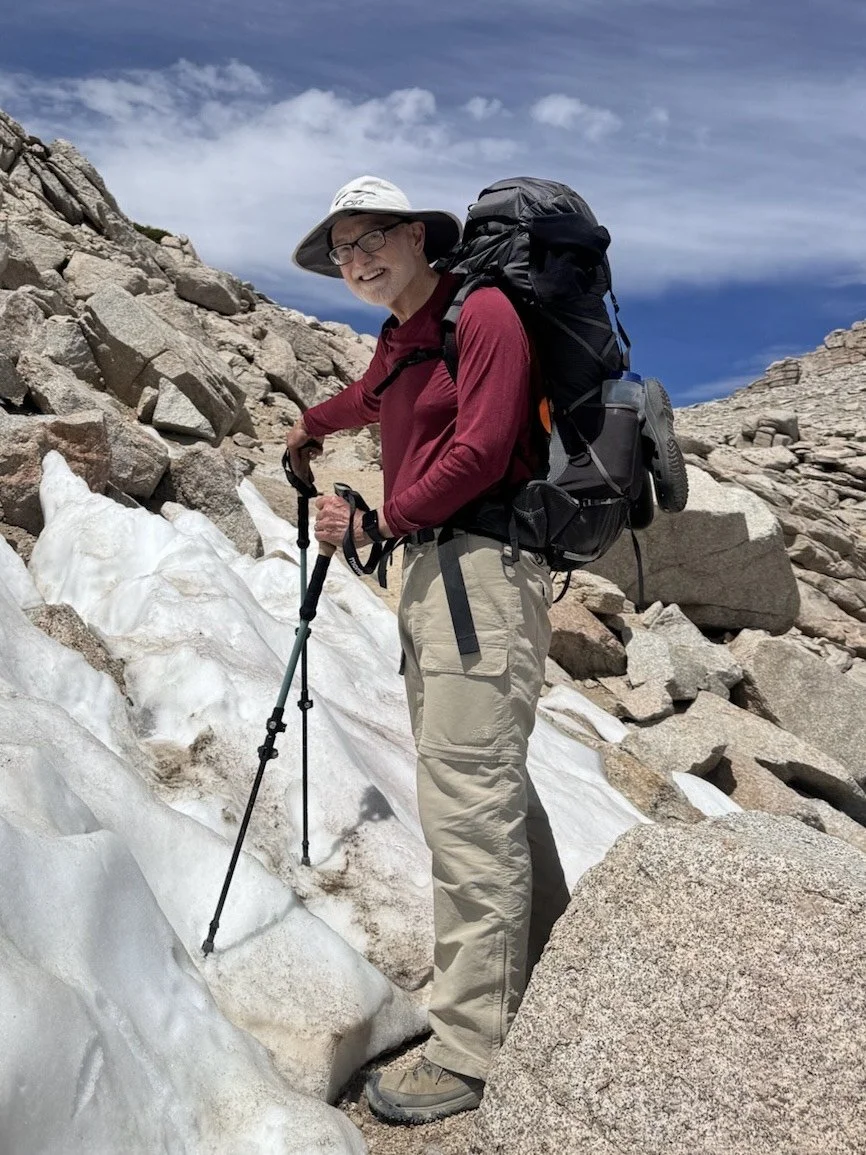
When Dave Warner speaks at a State Water Board hearing or pores over the San Francisco Public Utilities Commission’s financials, he brings with him not just numbers, but a lifetime of connection to California’s rivers.
Dave grew up in Southern California in the late 1970s, where his high school science program revolved around California’s water. Summers spent backpacking in the Sierra Nevada deepened his respect for rivers and ecosystems. But after a career in the tech industry, water issues weren’t on his radar—until a knock on the door from his neighbor, TRT’s Policy Director, Peter Drekmeier, invited him to an advocacy hearing for the Tuolumne. That grassroots invitation launched nearly a decade of volunteer leadership in water policy.
Since then, Dave has become a fixture in our Revive the Tuolumne campaign. From preparing technical analyses to delivering public comments, his expertise as a financial professional has given him a unique lens on water politics. He has uncovered parallels between San Diego’s water mismanagement and risks facing Bay Area agencies, helped push for accountability within BAWSCA, and built credibility with decision-makers who now regularly seek his perspective.
For Dave, the work is about more than policy—it’s about persistence, relationships, and the river itself. “Anything is possible, even if progress is slow,” he reflects. “Cracks eventually appear in the wall, and that’s where change begins.”
What inspires him most is the community of advocates working shoulder to shoulder—from grassroots organizers to local residents willing to testify for salmon and flows. “I never imagined this would become such a rich part of my life,” he says. “But contributing in this way, with these people, feels like giving back to the Sierras that shaped me.”
Dave’s story is proof that everyone has a role to play. His advice for others? Take the first step. Don’t worry about mistakes. You’ll learn, and you’ll discover an experience that blossoms into something deeply rewarding.
Because of volunteers like Dave—and because of the simple power of neighbors inviting neighbors into this work—our campaign for healthy river flows and resilient water policy carries the persistence and strength of community.
Protecting Forests, Preserving Heritage
Wildfire resilience and cultural stewardship go hand in hand.
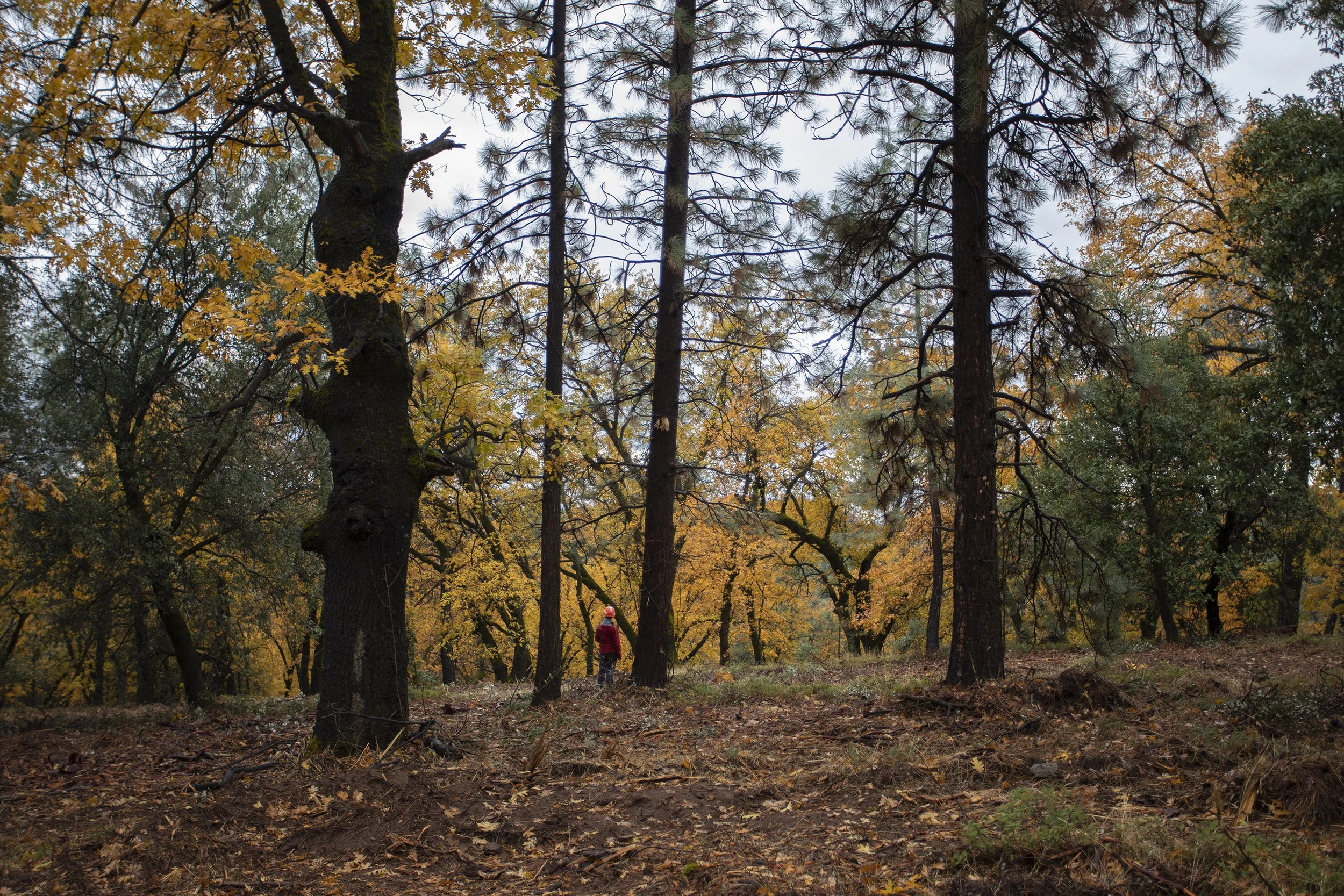
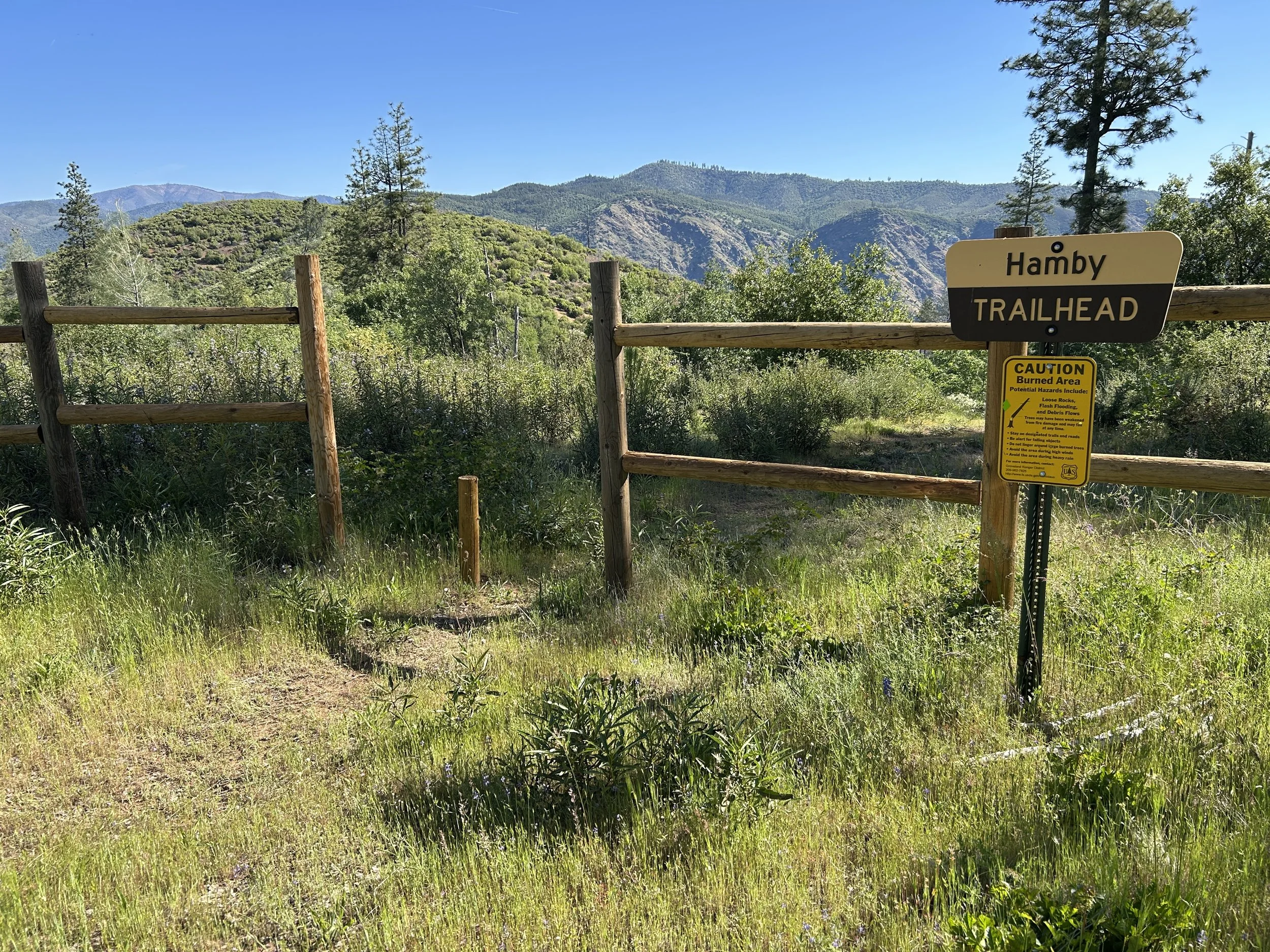
The forests of the Greater Yosemite Region are under pressure from drought, disease, and megafires. To meet this challenge, our team planted 531,408 trees across 1,980 acres this year — bringing life back to burned landscapes. We prepared an additional 938 acres for future planting and treated 1,614 acres to reduce fire risk through strategic fuel breaks.
But forest health isn’t just about trees. Our staff surveyed 9,190 acres for sensitive plants, monitored 25 archaeological sites, flagged 40 sensitive cultural sites, and even discovered 3 new cultural sites that will now be protected for generations. These efforts ensure that as our forests become more resilient, we are also honoring and safeguarding the human history written into the land.
“We may not ever have the forests of 25 years ago, but we can shape forests that thrive today and tomorrow.”
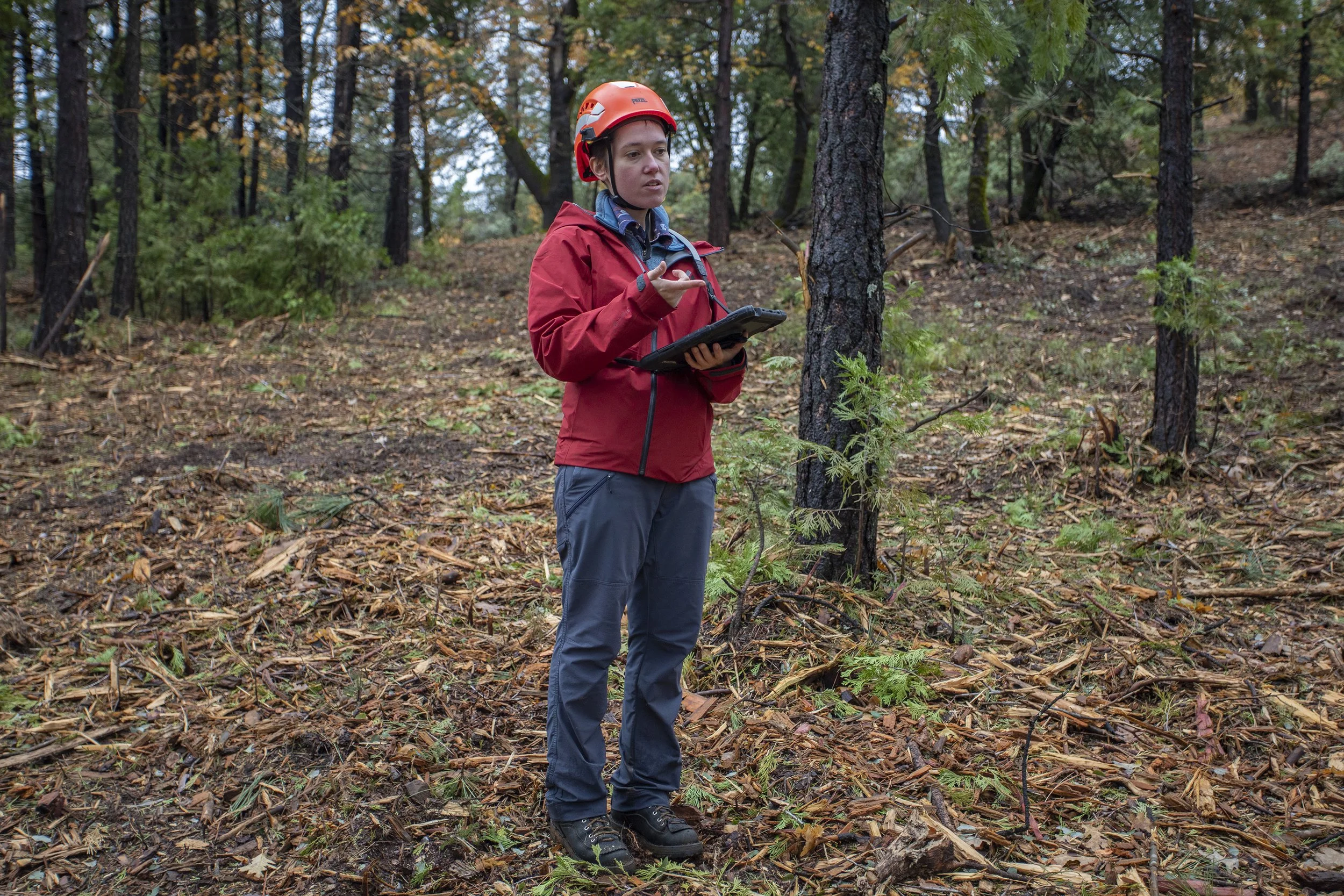
— Ande, Forest Health Program Director
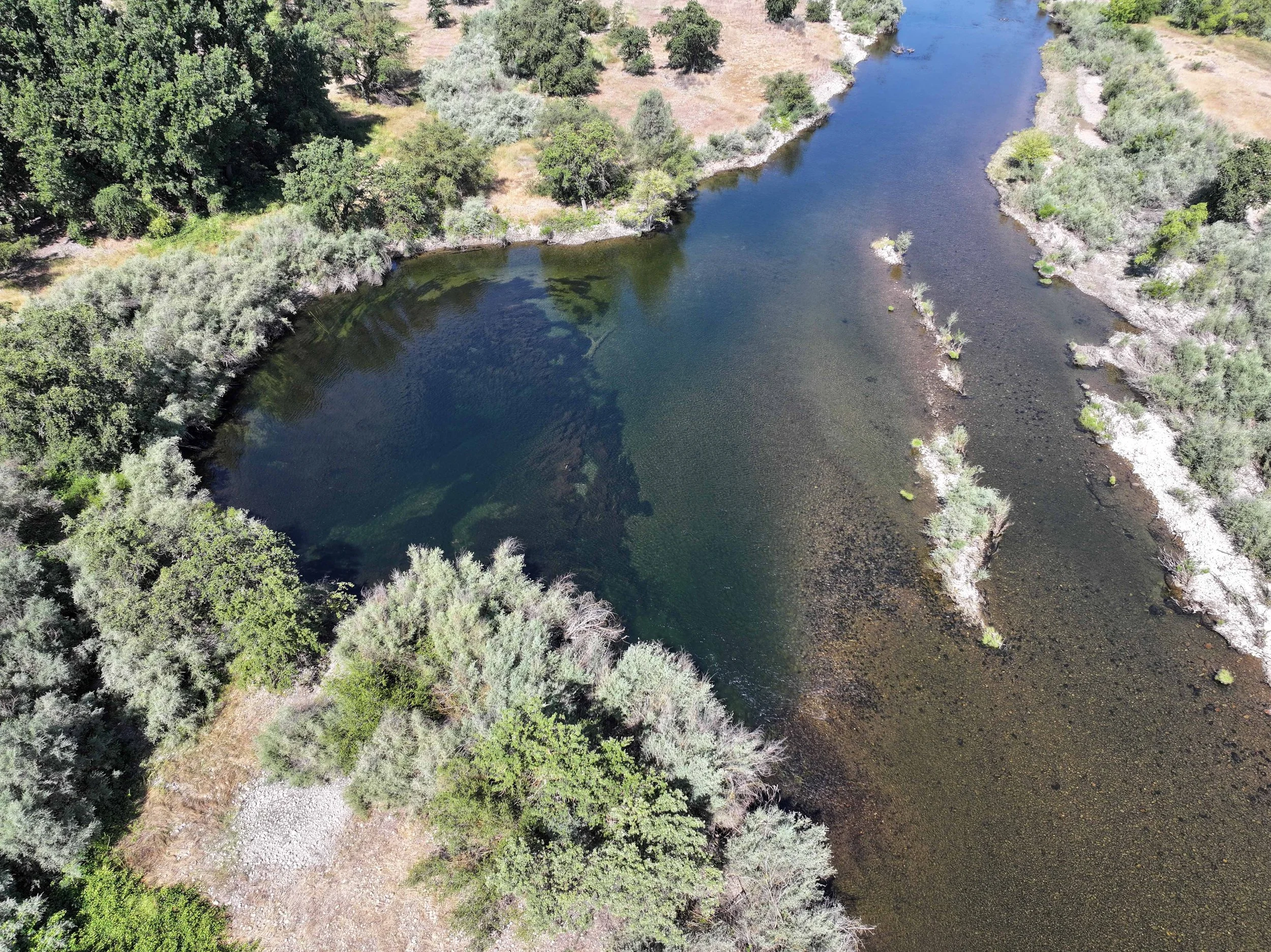
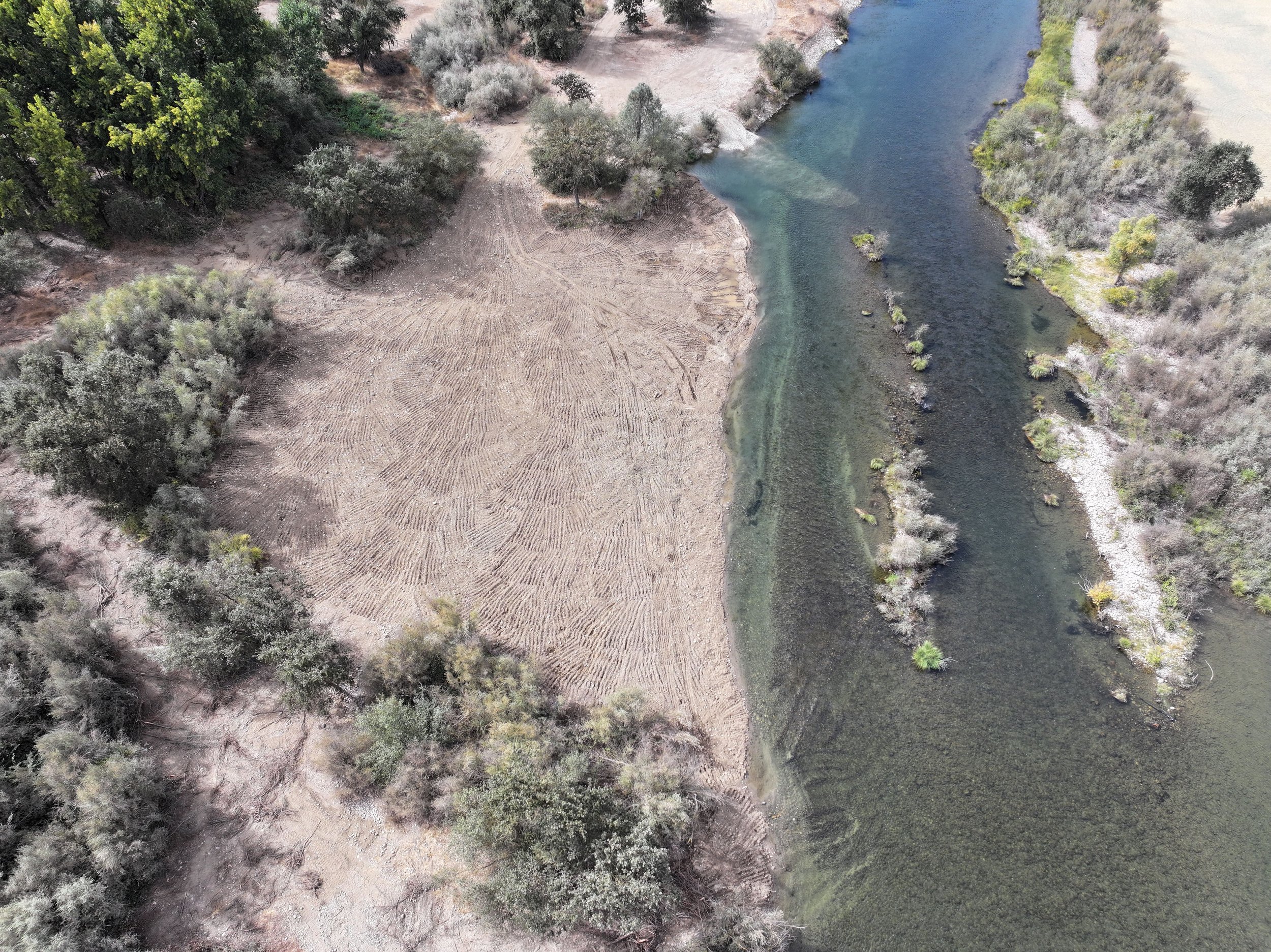
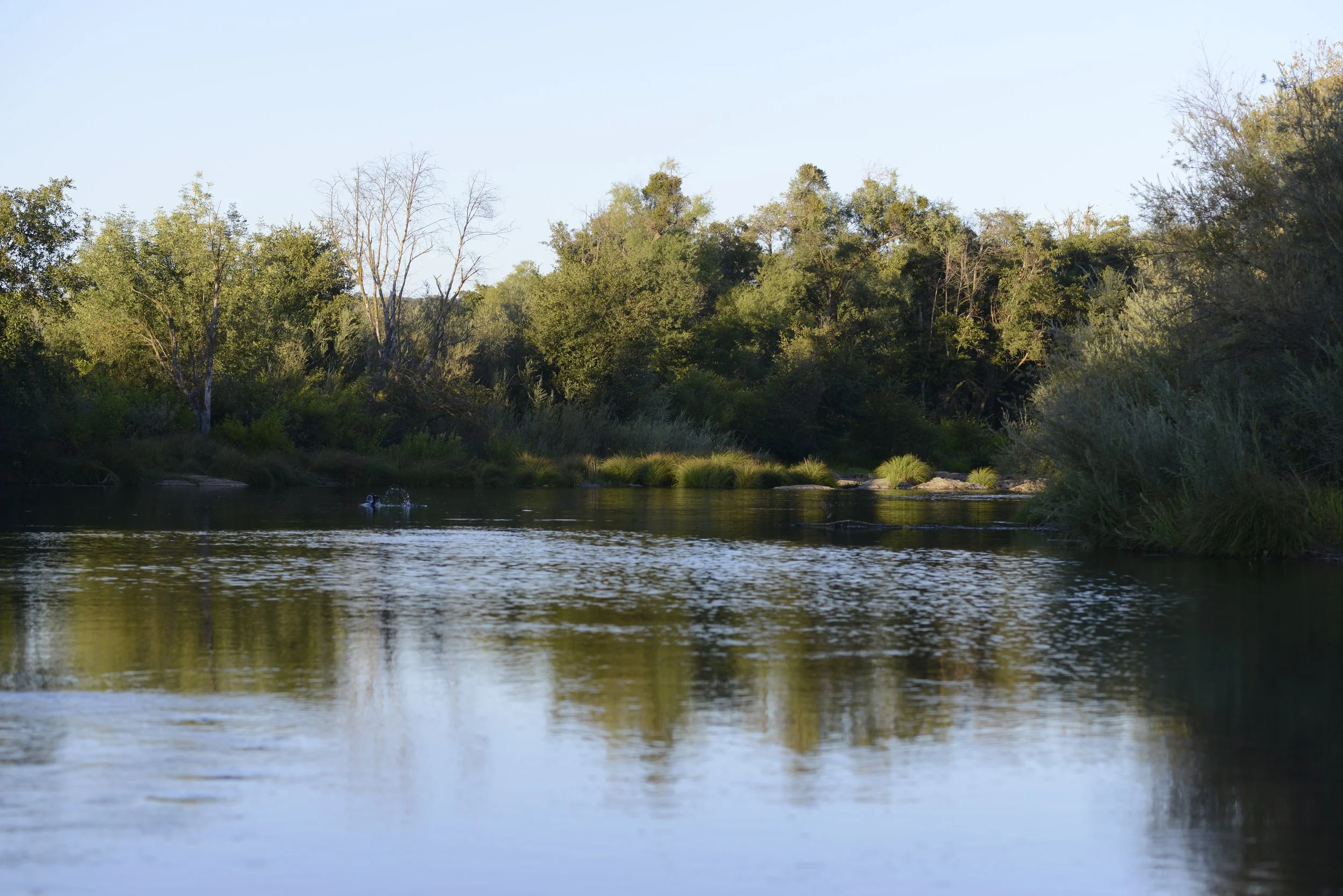
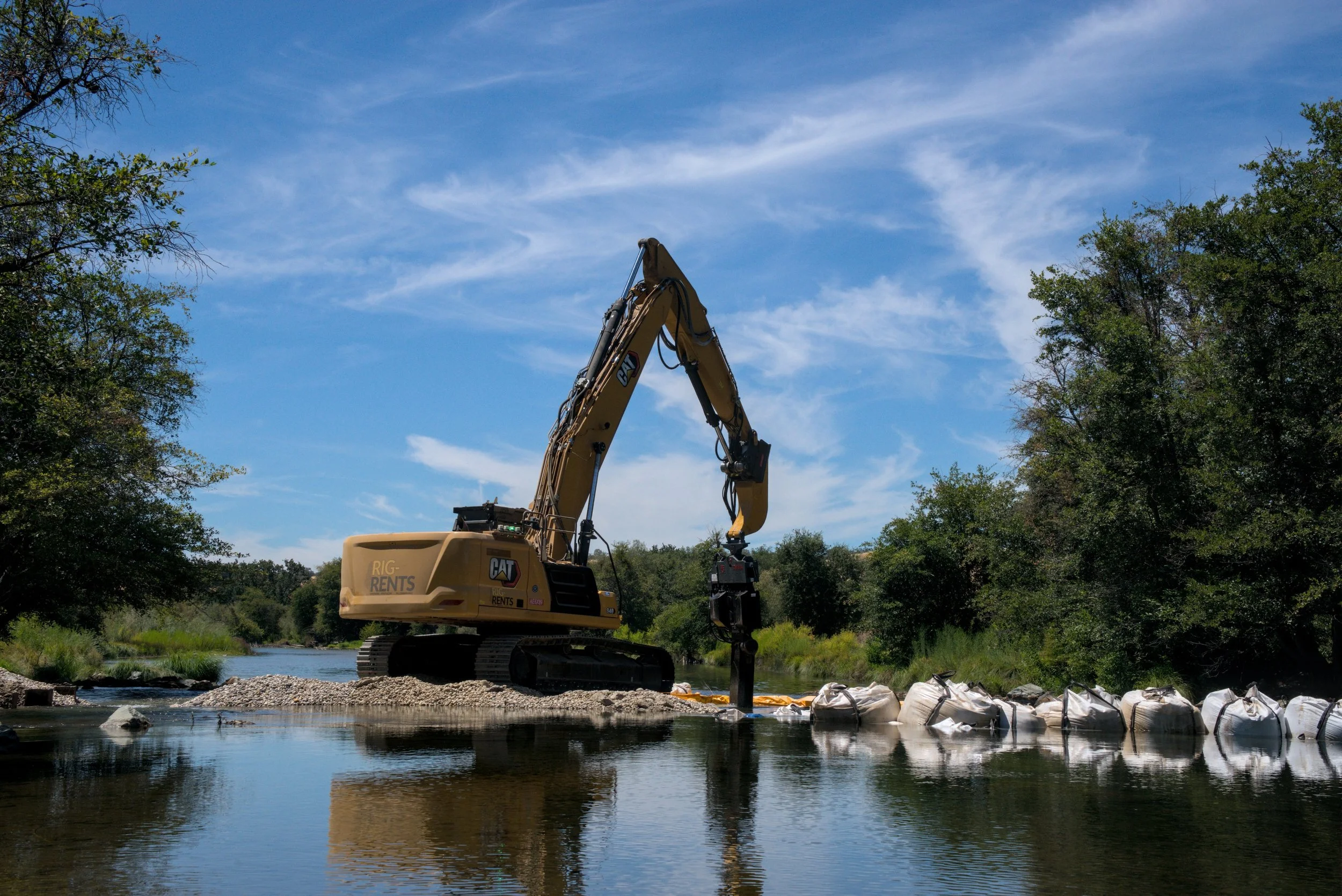
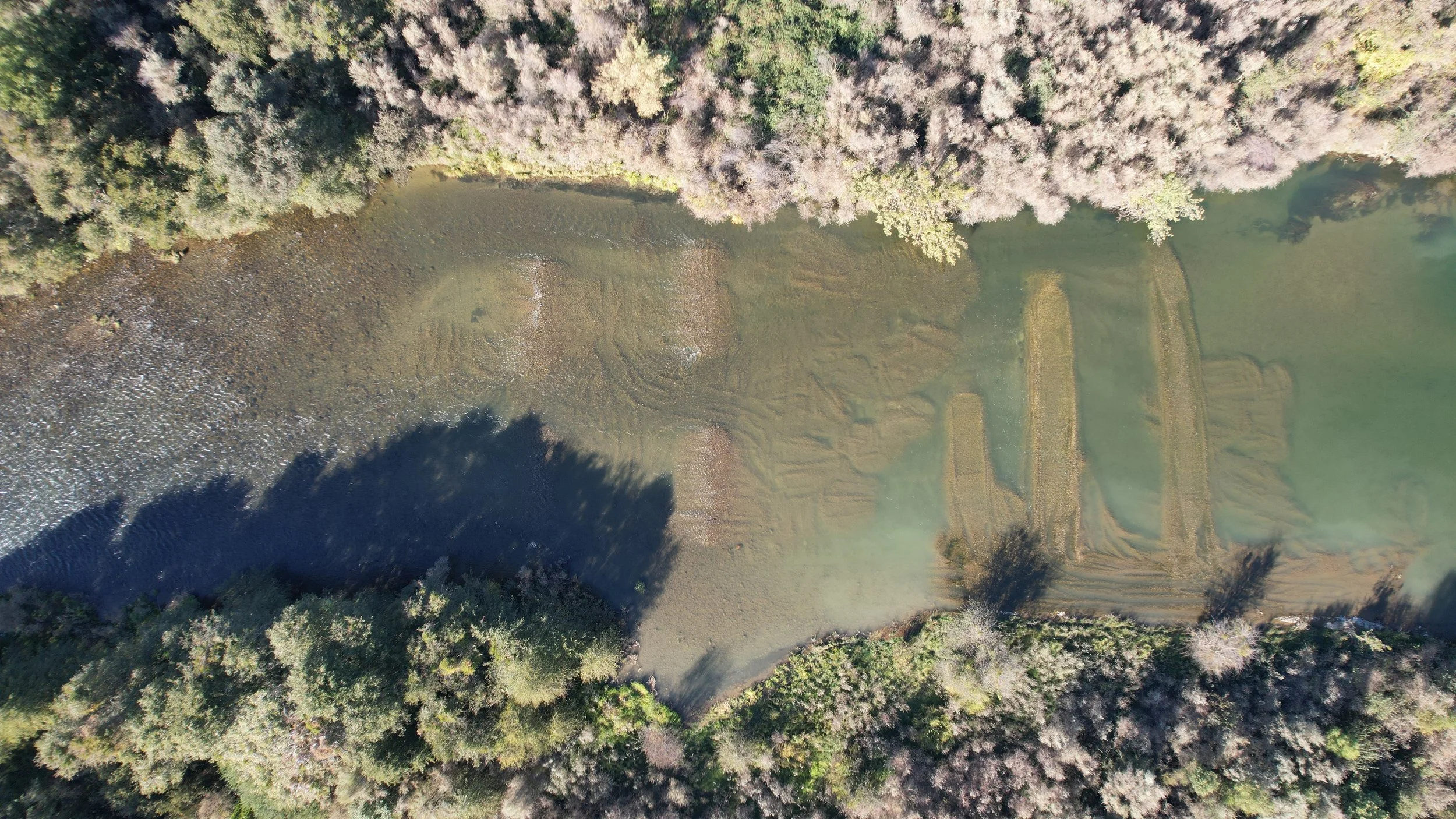
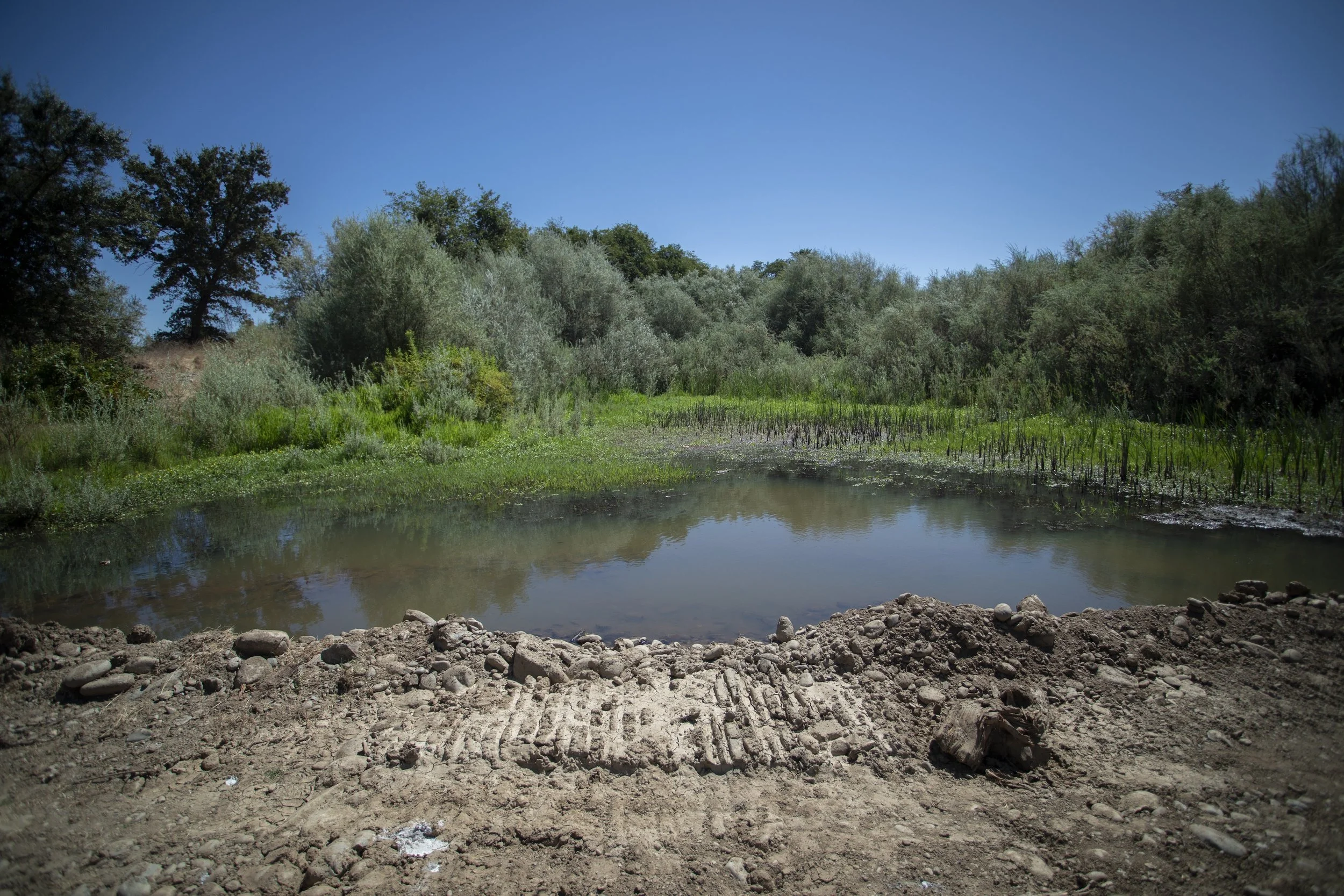
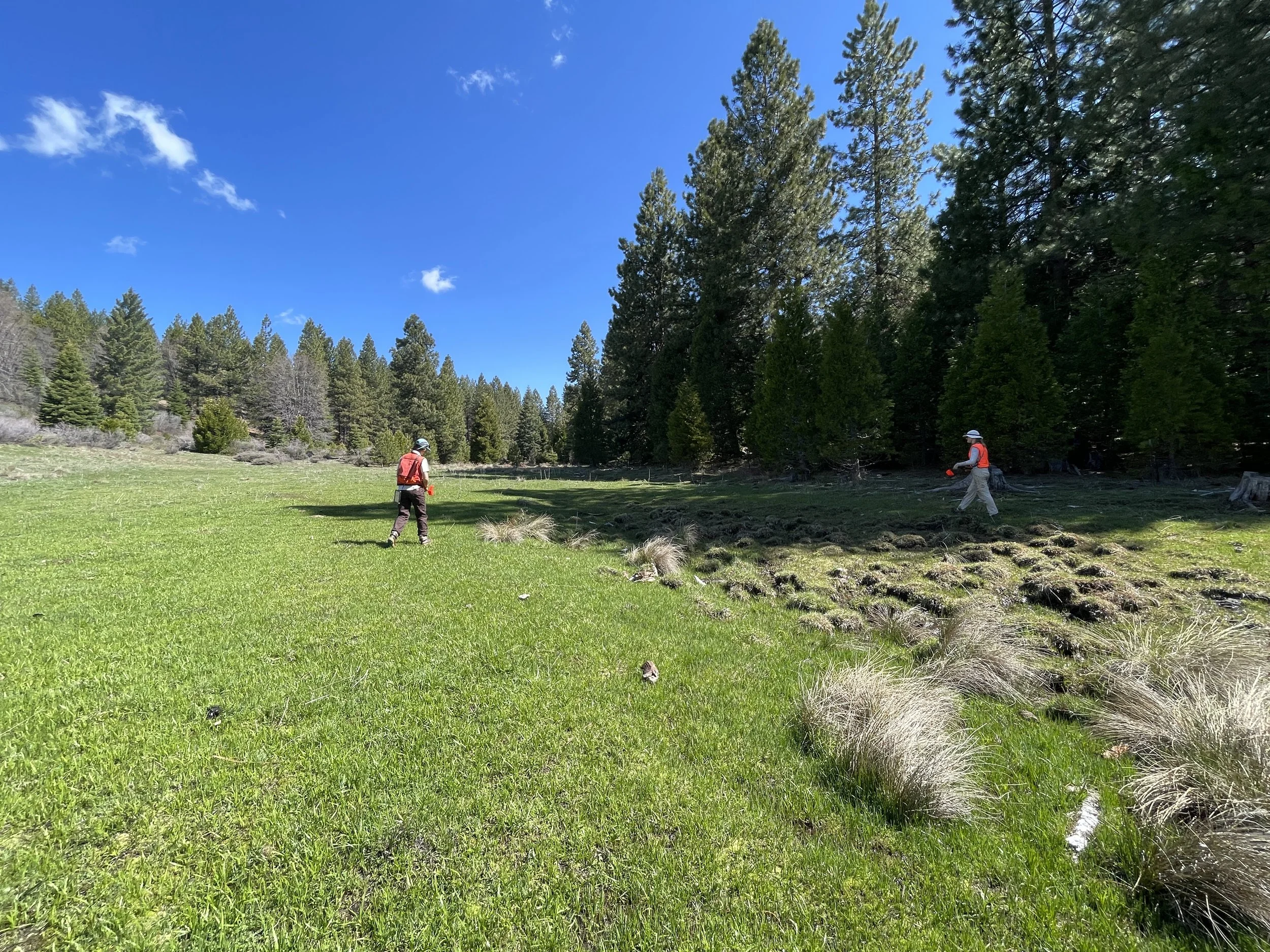
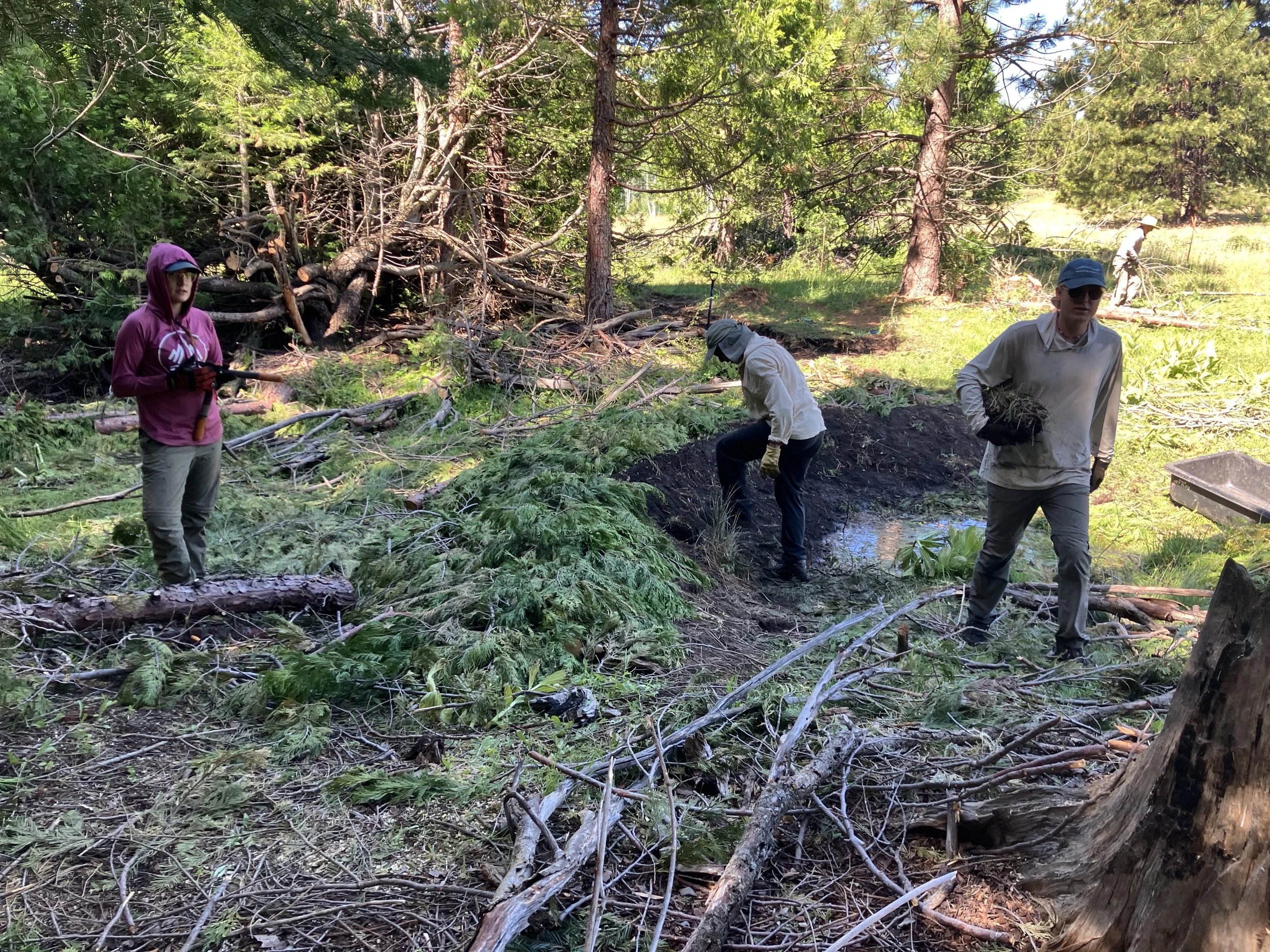
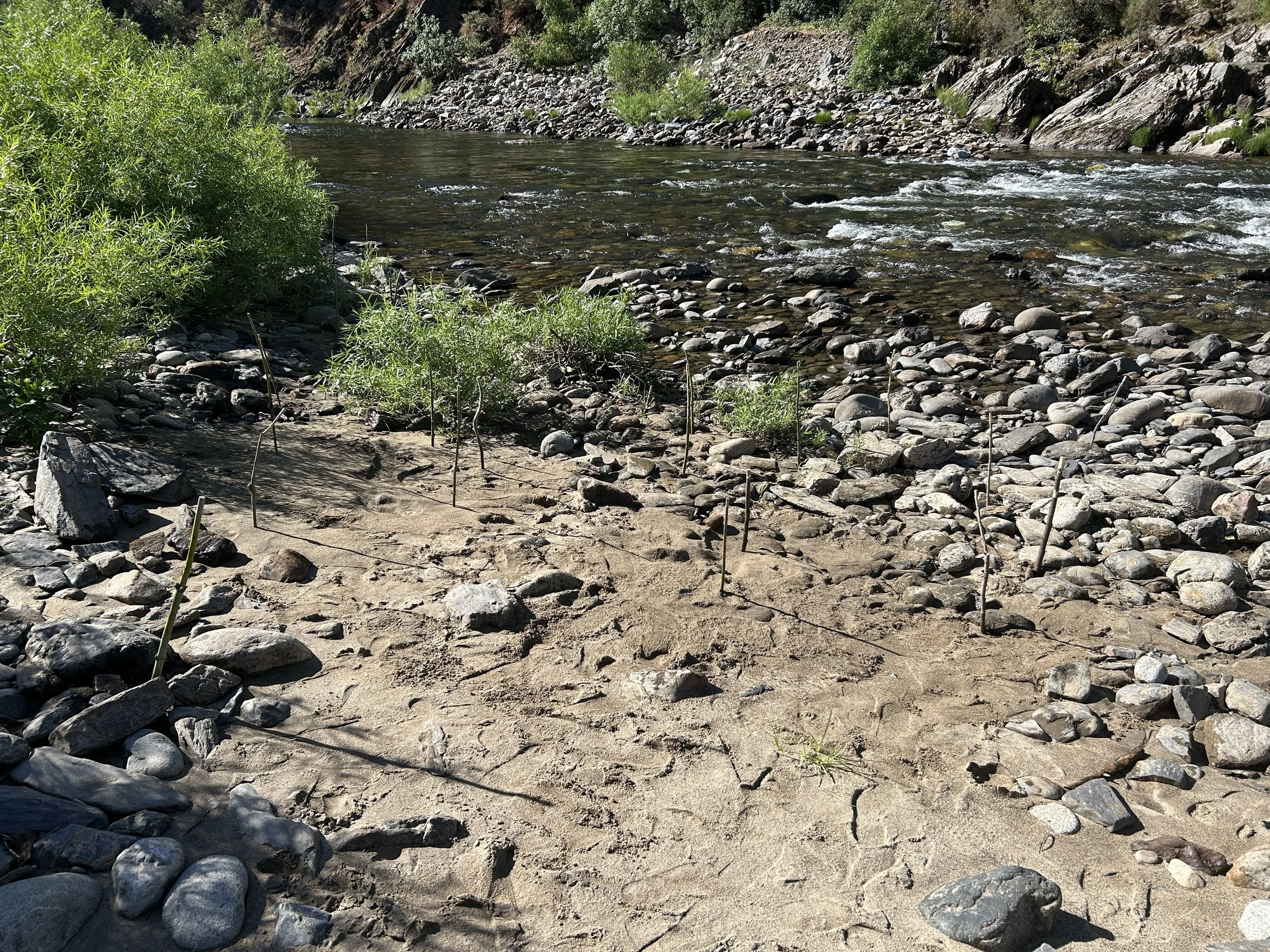
Restoring the River, Renewing the Land
Together, we’re transforming rivers, meadows, and forests into strongholds for salmon, wildlife, and people.
Before
After
Inspiring the Next Generation
Rafting trips, school hikes, and youth leadership.
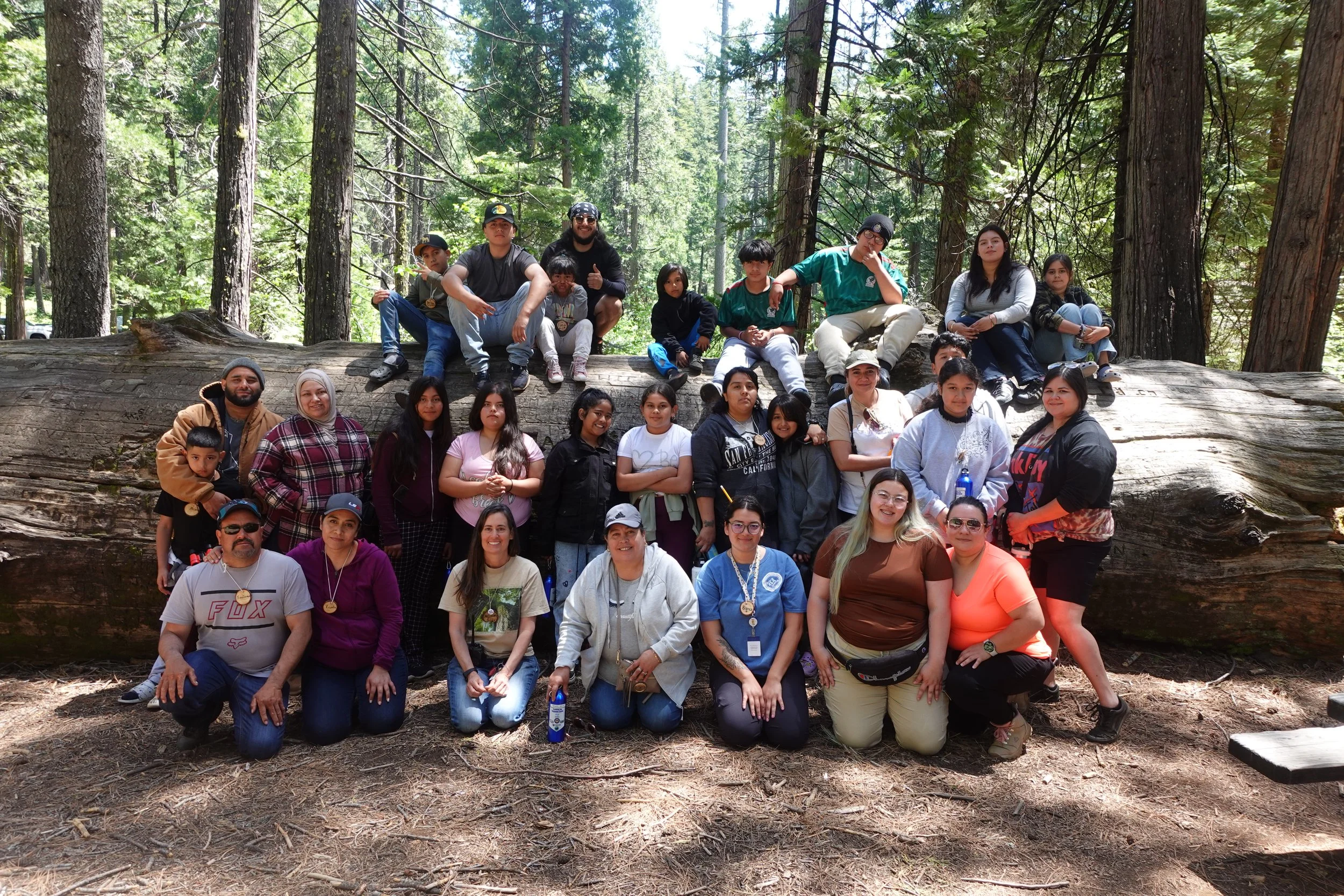
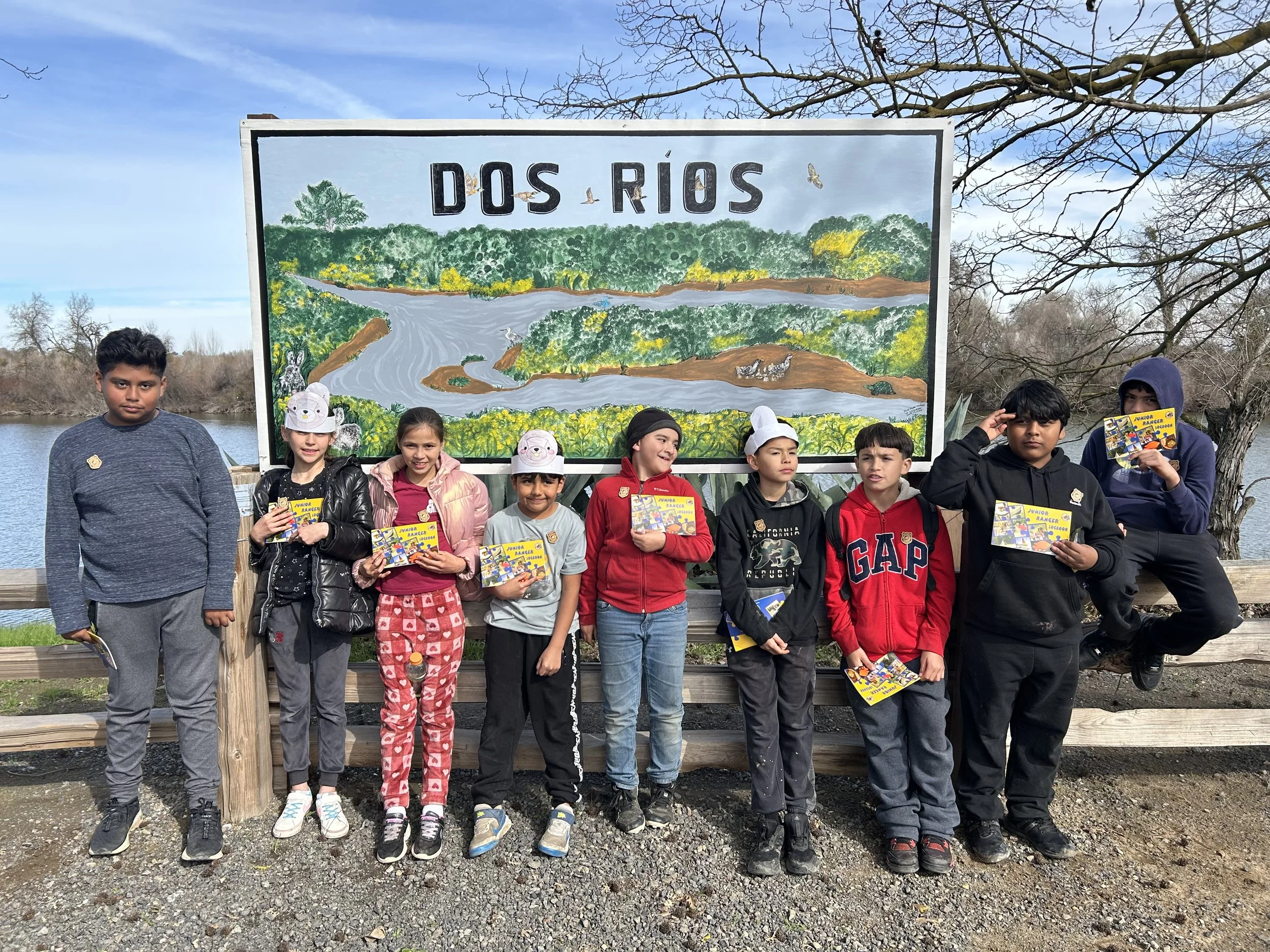
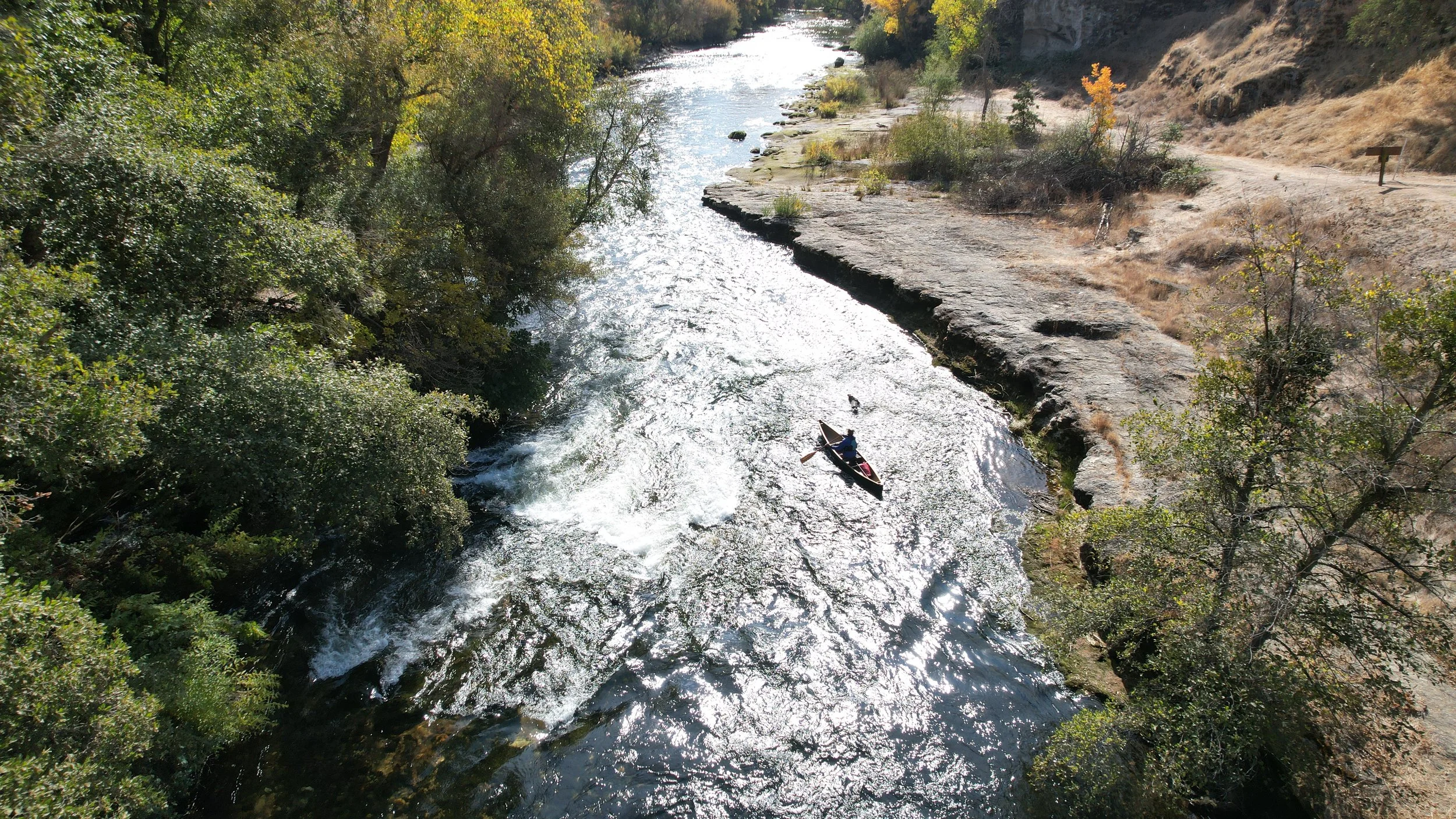
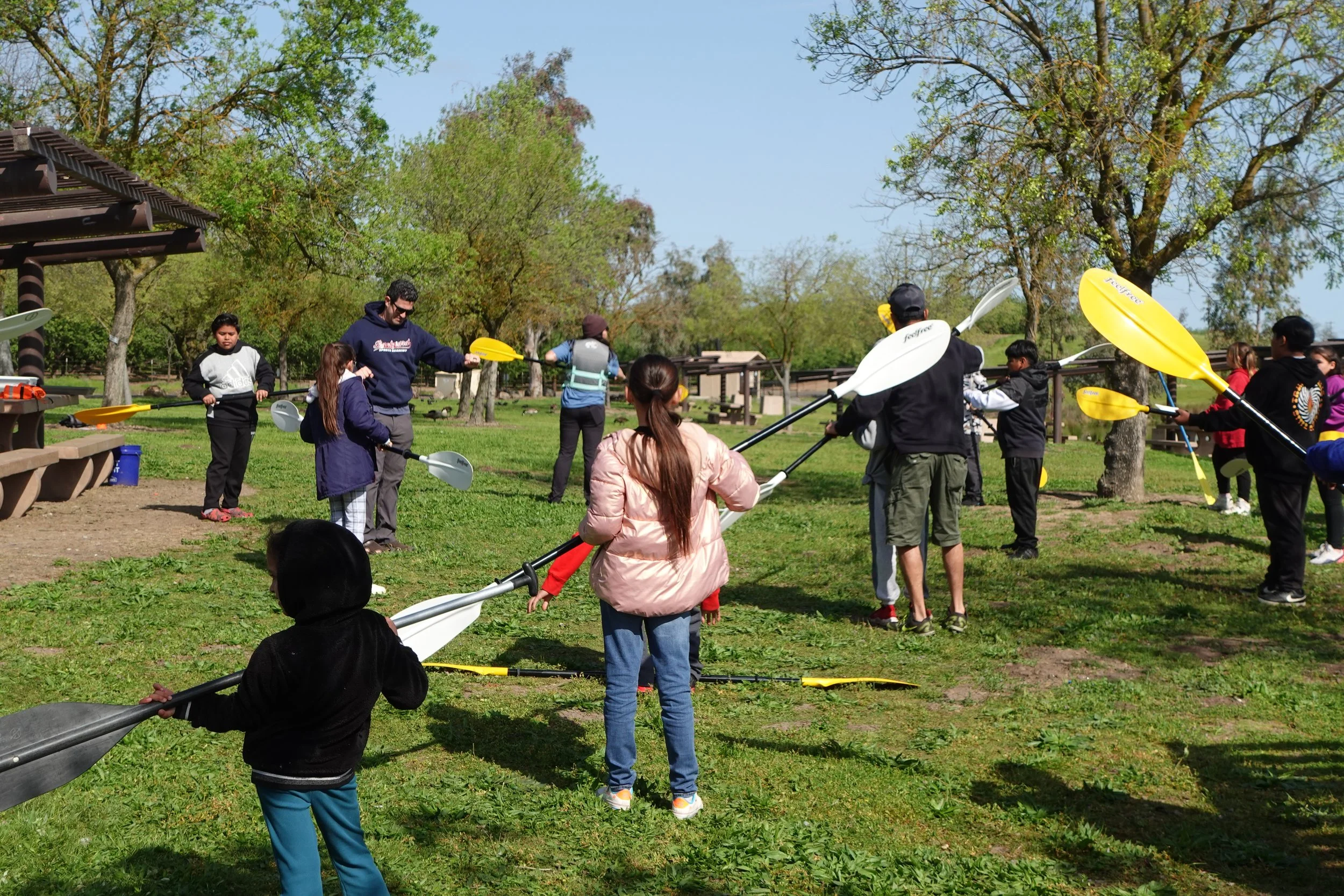
The river is more than water — it’s a classroom, a gathering space, and a platform for civic action. This year, we connected 779 people to the Tuolumne through rafting trips, paddles, and hikes — including 482 youth and 297 adults. For many, like the Central Valley teens who rafted the upper Tuolumne for the first time and planted willows along the riverbank, these were life-changing experiences.
Our education team reached 218 students in schools through nature hikes and hands-on lessons, while the Park Youth Committee’s 5th cohort — made up of 8 high school students — worked alongside Modesto staff to design bilingual, youth-friendly signage for Tuolumne River Regional Park.
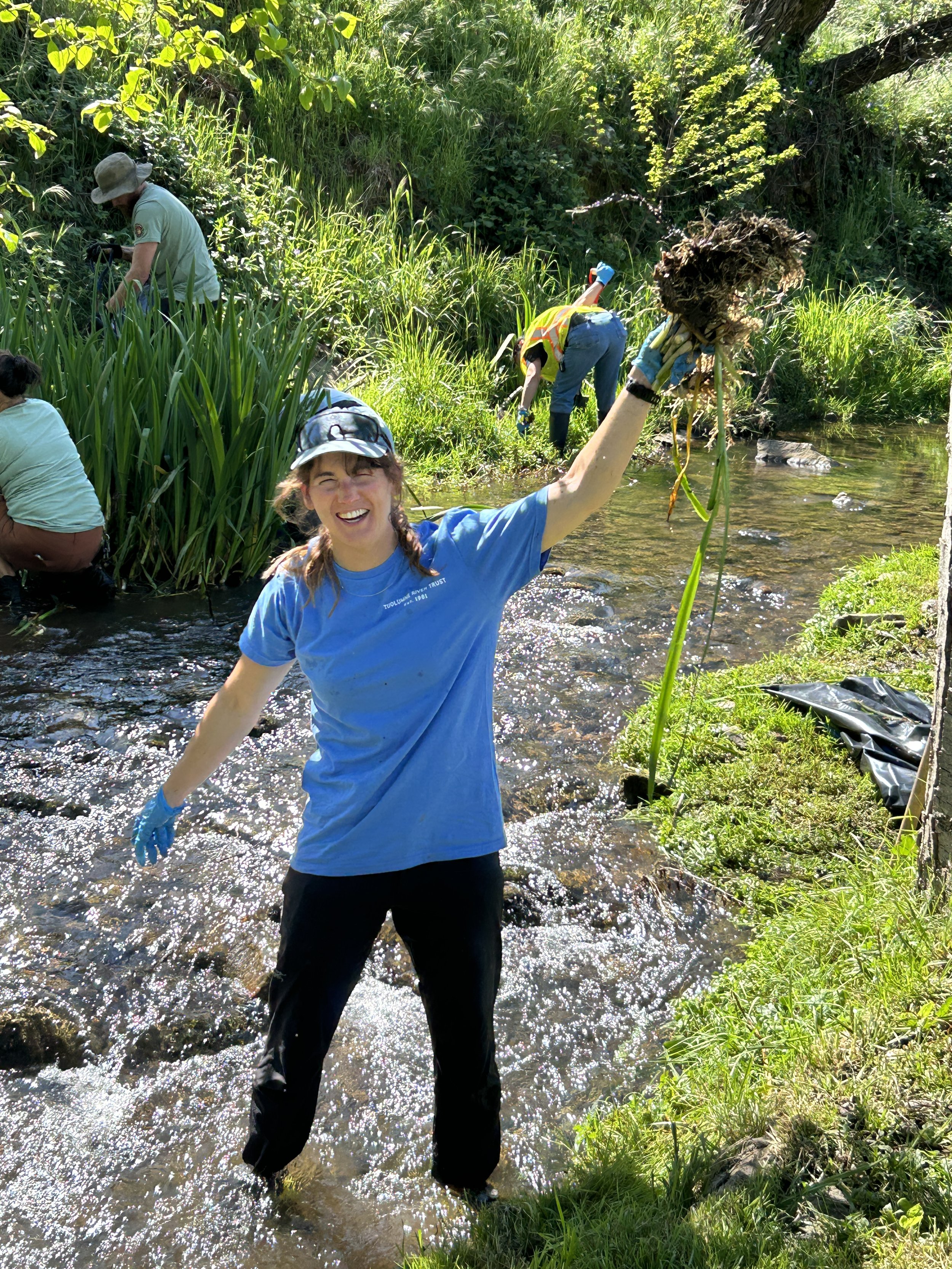
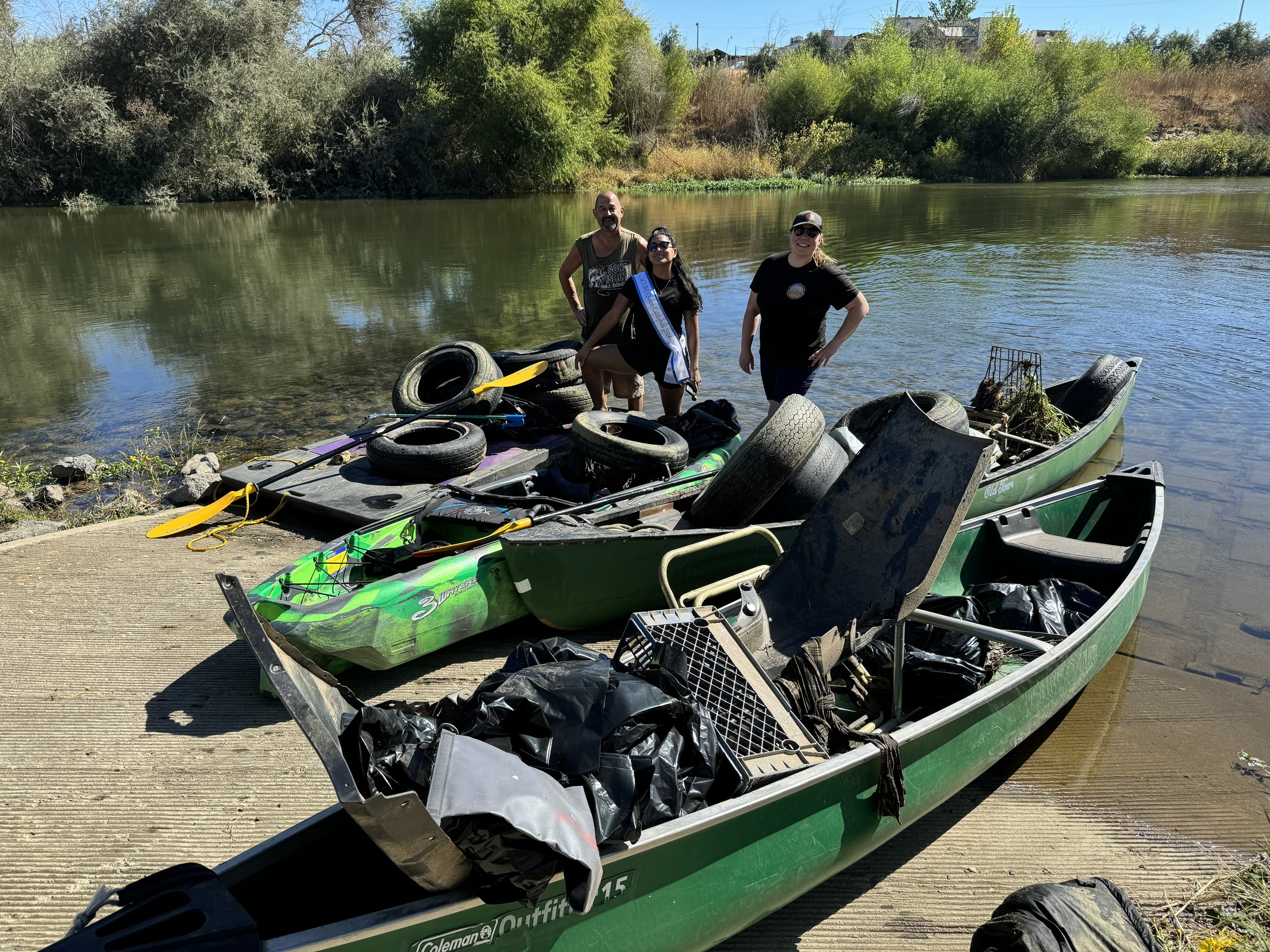
Community members also rolled up their sleeves to care for local parks and waterways. Together we hosted 6 river clean-ups, including 1 in-river clean-up that brought paddlers and volunteers together to remove trash directly from the water.
And beyond the banks of the river, youth and community voices were heard loud and clear in civic spaces. TRT staff, partners, and PYC members participated in:
12 public meetings attended
4 major public planning processes engaged in, including:
Tuolumne River Regional Park Master Plan (4 meetings)
Modesto General Plan Land Use Alternatives (2 meetings)
Modesto City Parks Master Plan (1 stakeholder meeting, 2 focus groups, 1 public meeting)
South 9th Street Corridor Plan (2 workshops)
Together, these efforts ensure that the people who live, play, and grow up alongside the Tuolumne are shaping the future of their parks and neighborhoods.
Park Youth Committee: Youth Voices for Equity in Parks
This year we facilitated the 5th cohort of the Park Youth Committee (PYC), bringing together 8 high school students from Modesto to lead with creativity and civic voice. Their focus: shaping the future of the Tuolumne River Regional Park (TRRP).
Working side by side with Modesto city parks staff, the PYC contributed ideas and feedback on a new signage project for the park. Youth emphasized the importance of bilingual, youth-friendly signage that is clear, welcoming, and engaging for all visitors. Their vision will soon come to life with signs installed along the airport section of the TRRP — making the park more accessible, equitable, and inviting for the entire community.
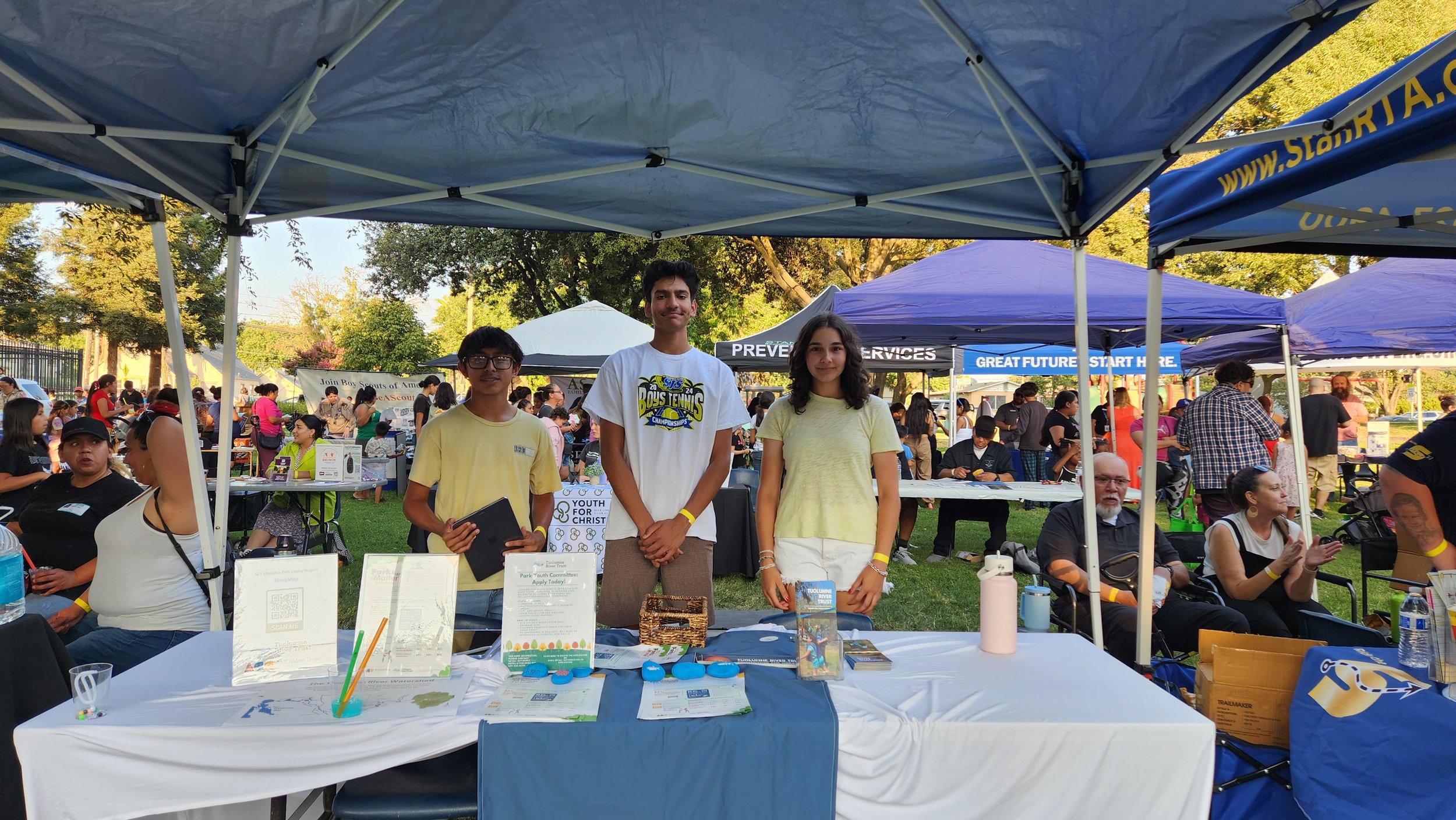
“We wanted signs that make people feel welcome — no matter what language they speak.”
— Magdalena, PYC member
2025 Financials
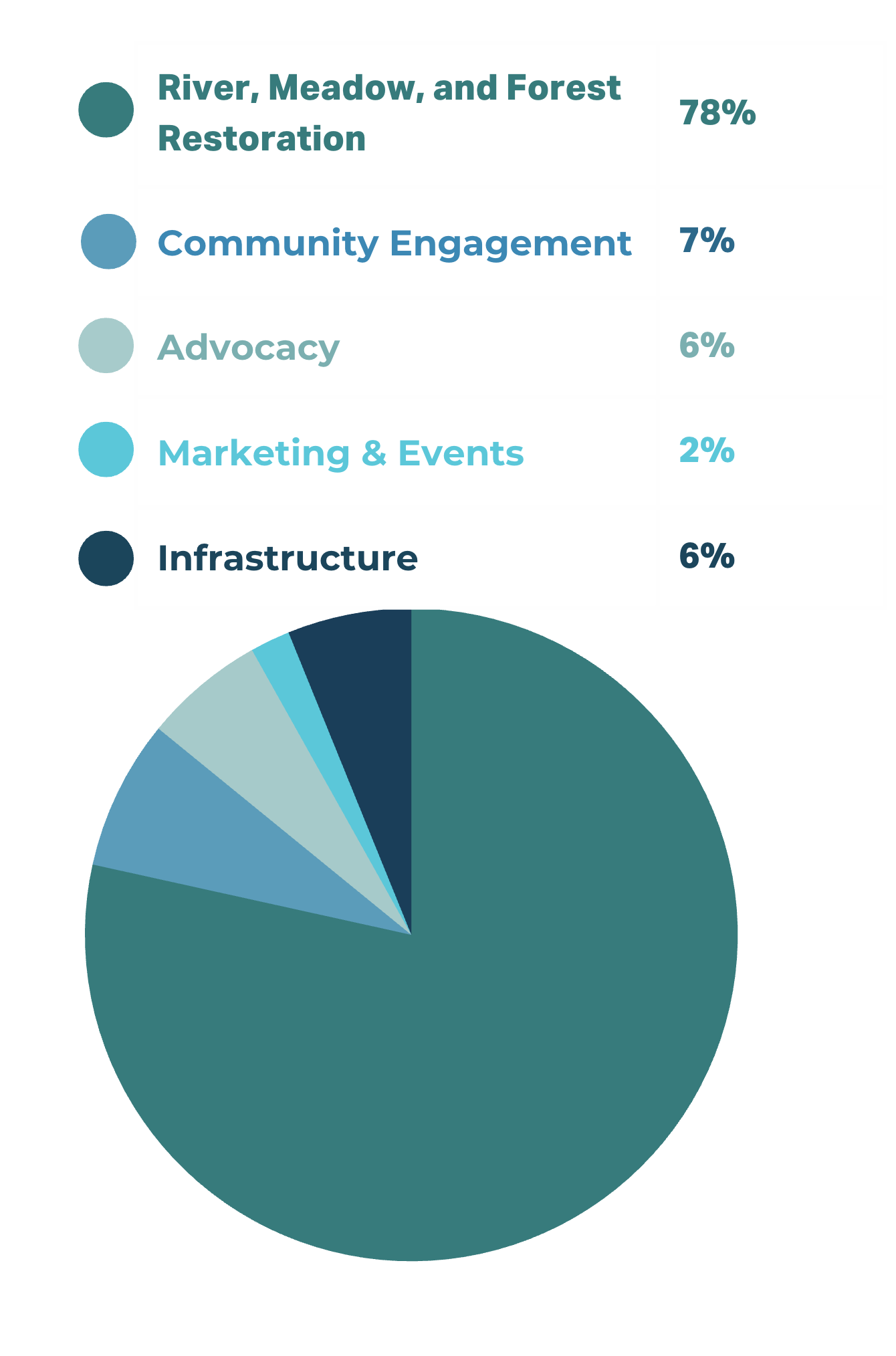
How Your Giving Powers Progress
Allocation of Funds
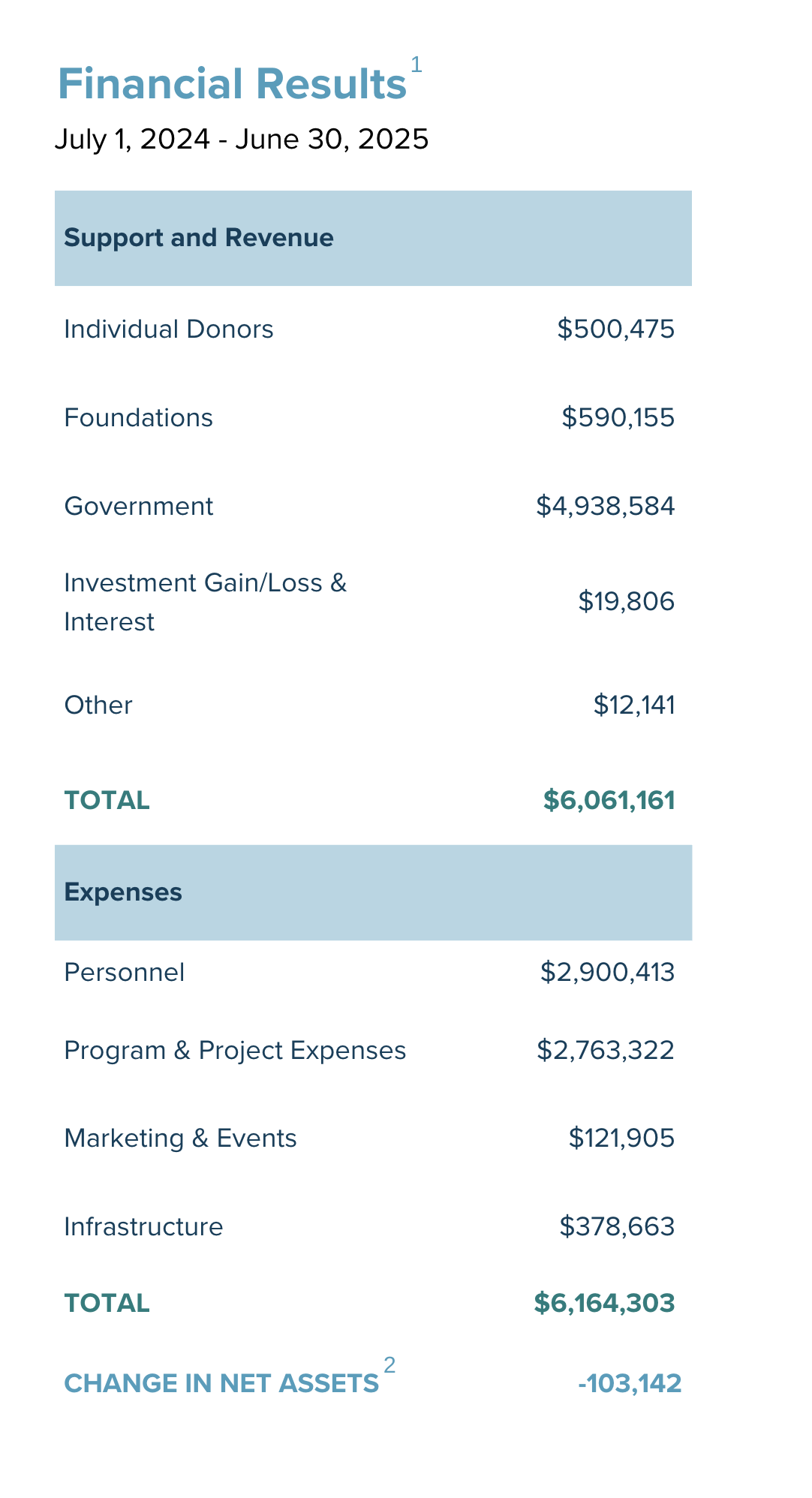
1. The financial statements for the period July 1, 2024 to June 30, 2025 are not audited at the time of this publication's release.
2. The negative change in net assets is due to timing of grants received.
The Current Behind Our Work
Thank you to the community of supporters whose generosity and passion keep the river flowing strong.
272
NUMBER OF FIRST
TIME SUPPORTERS
100%
17%
INCREASE IN
MAJOR DONOR GIVING
28%
BOARD PARTICIPATION
INCREASE IN
DONATIONS FY24

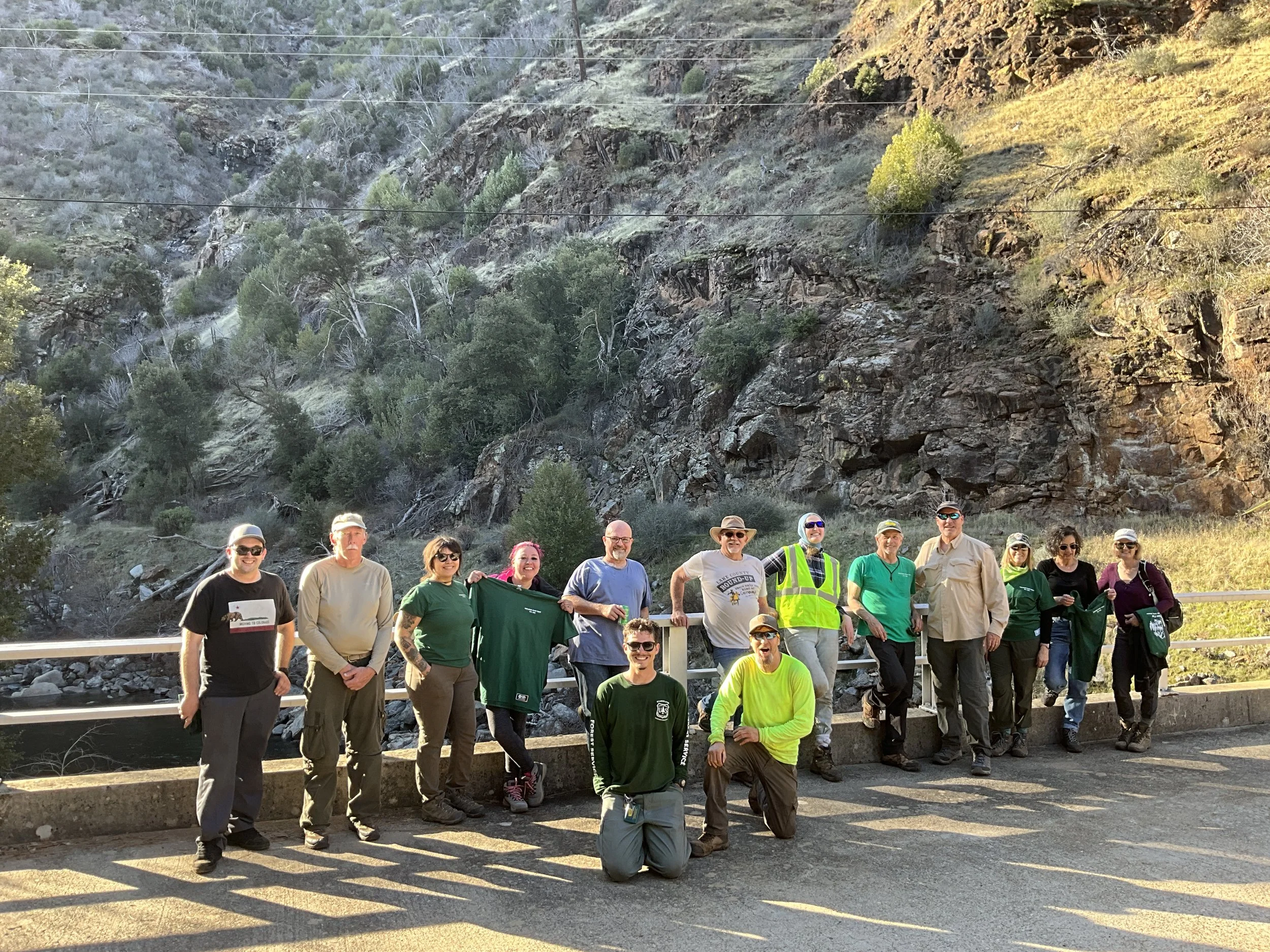
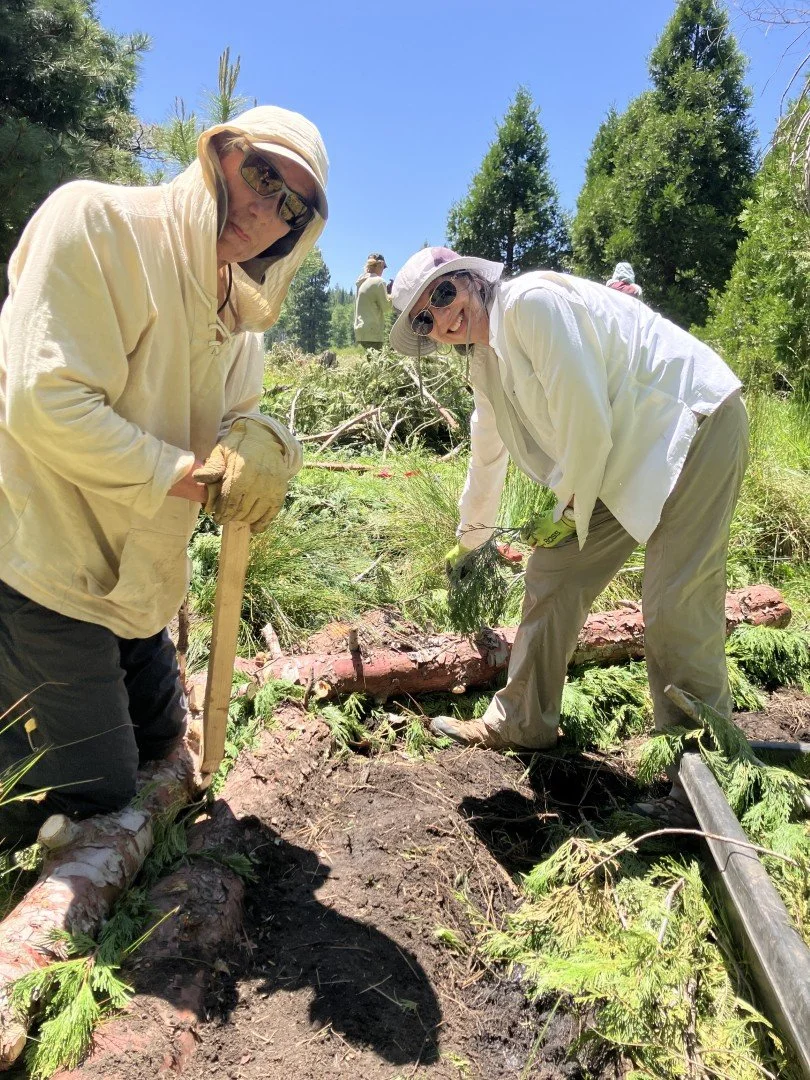
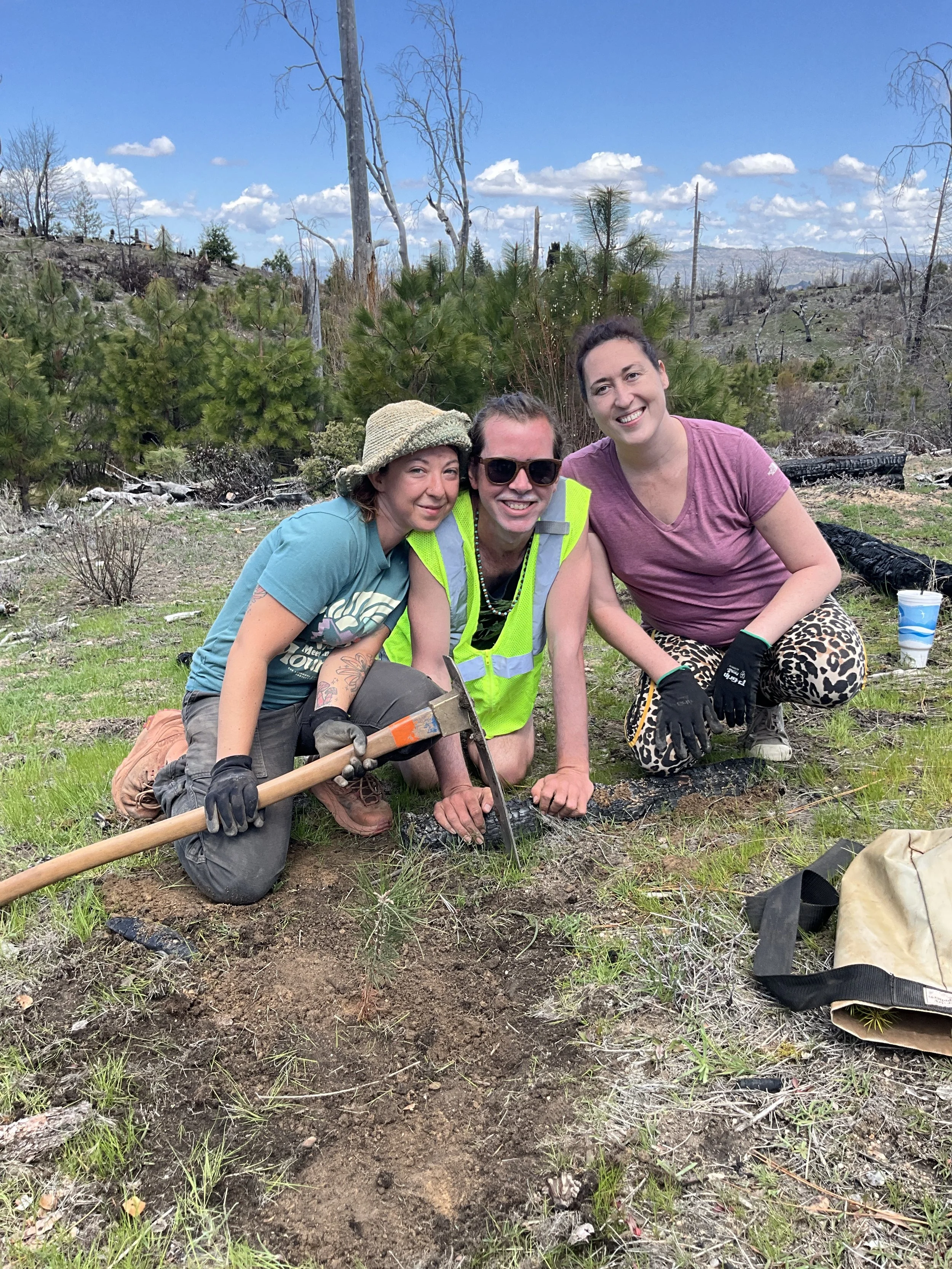
River Guardians in Action
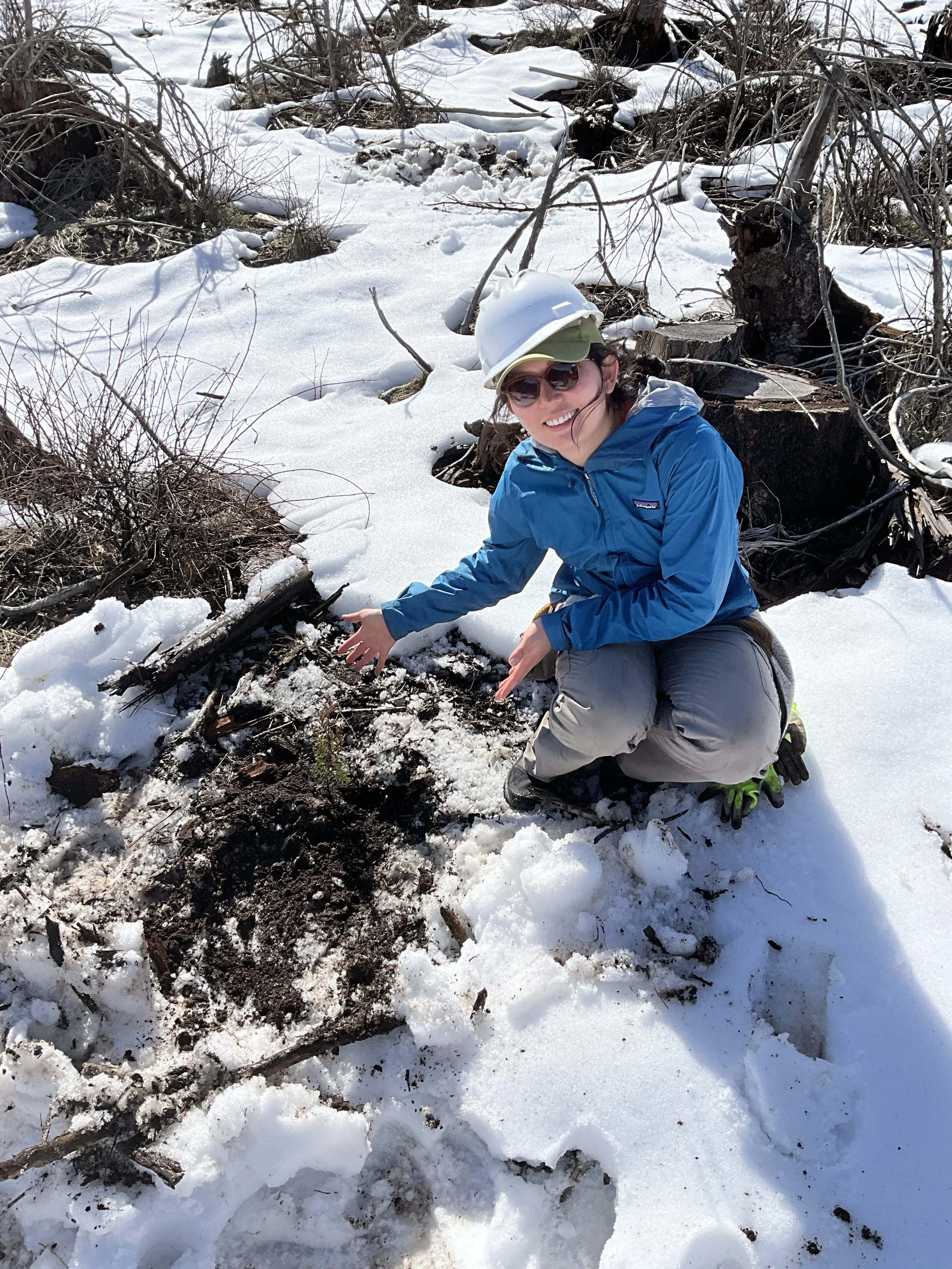
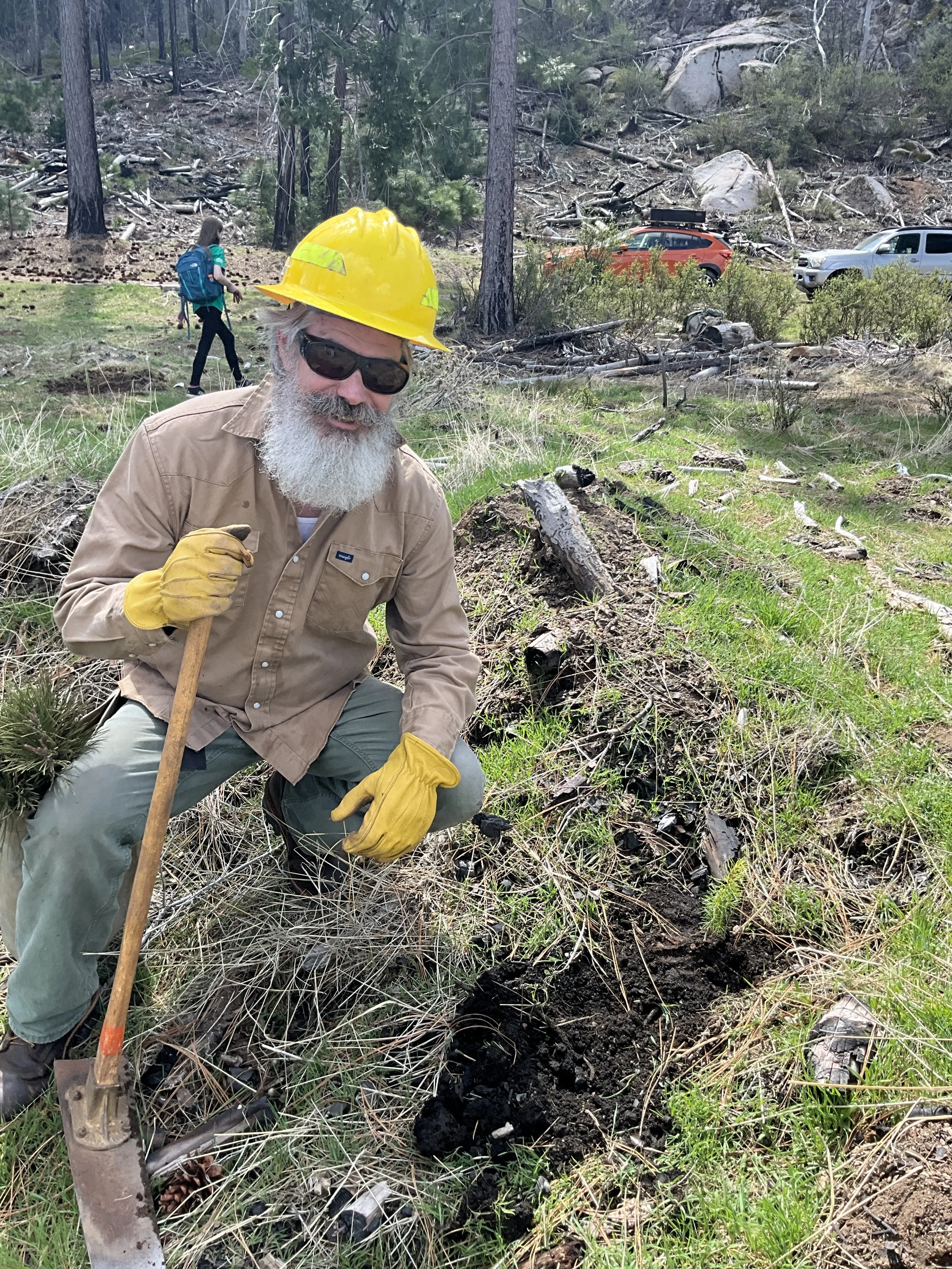
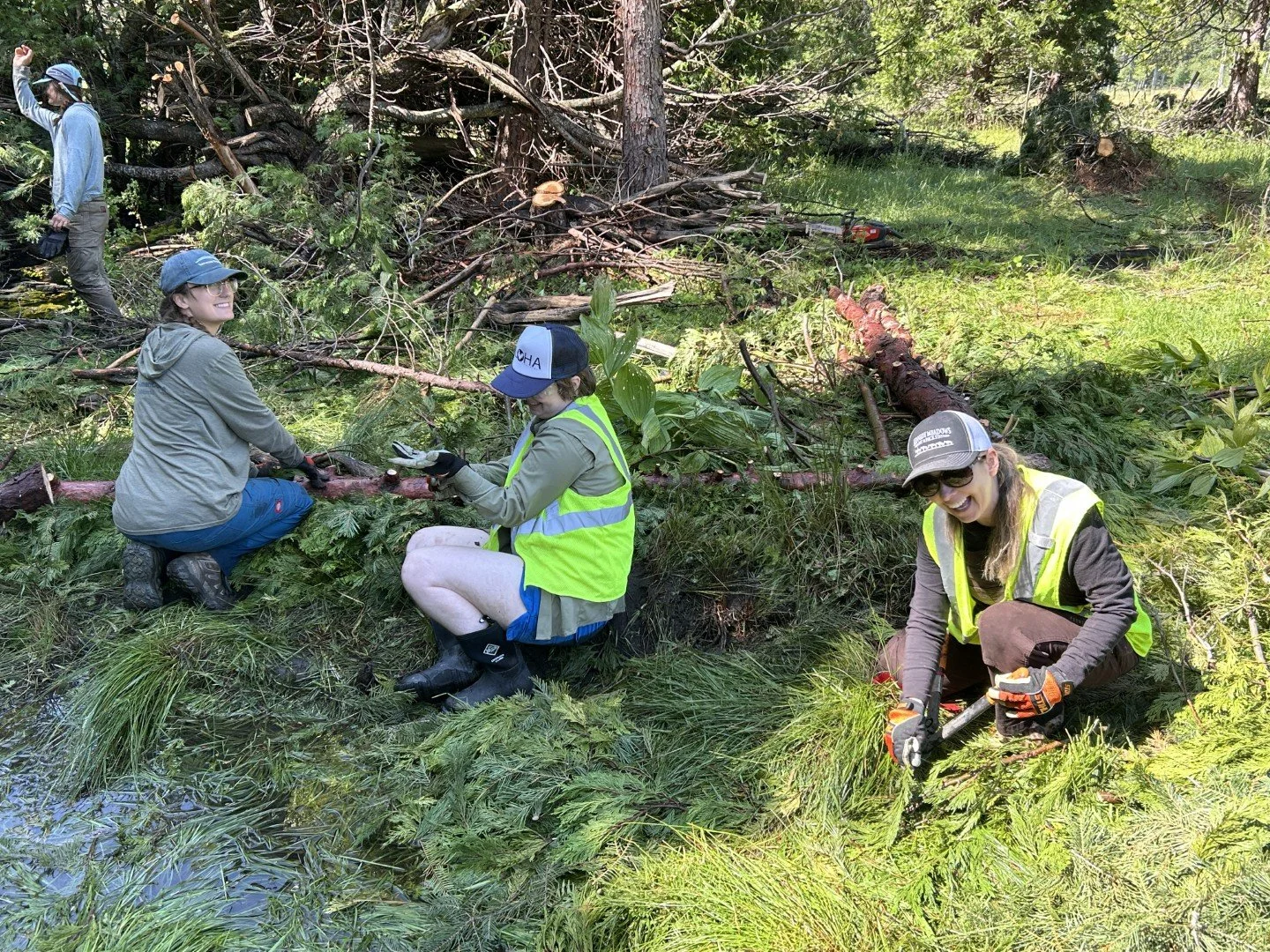
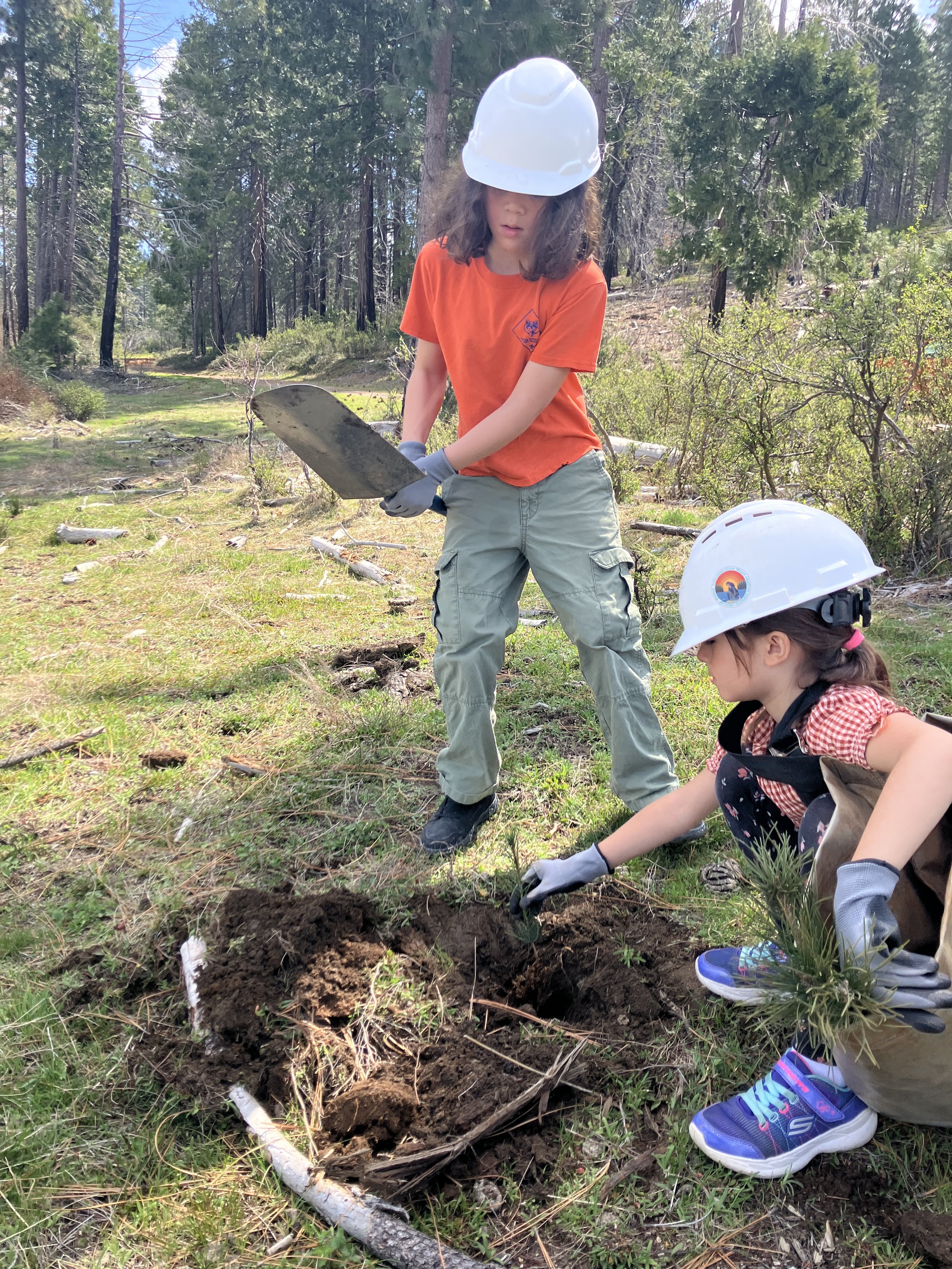
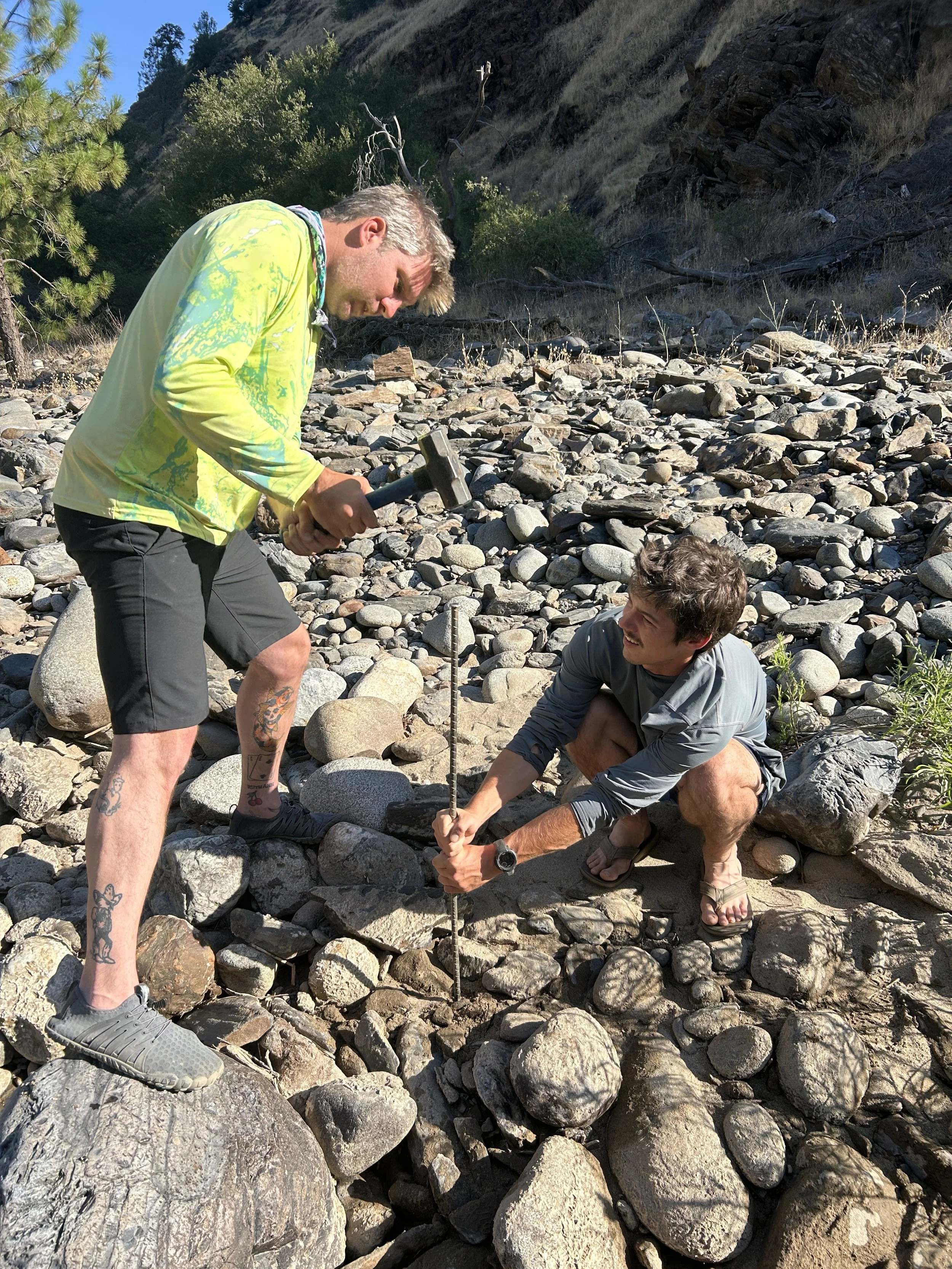
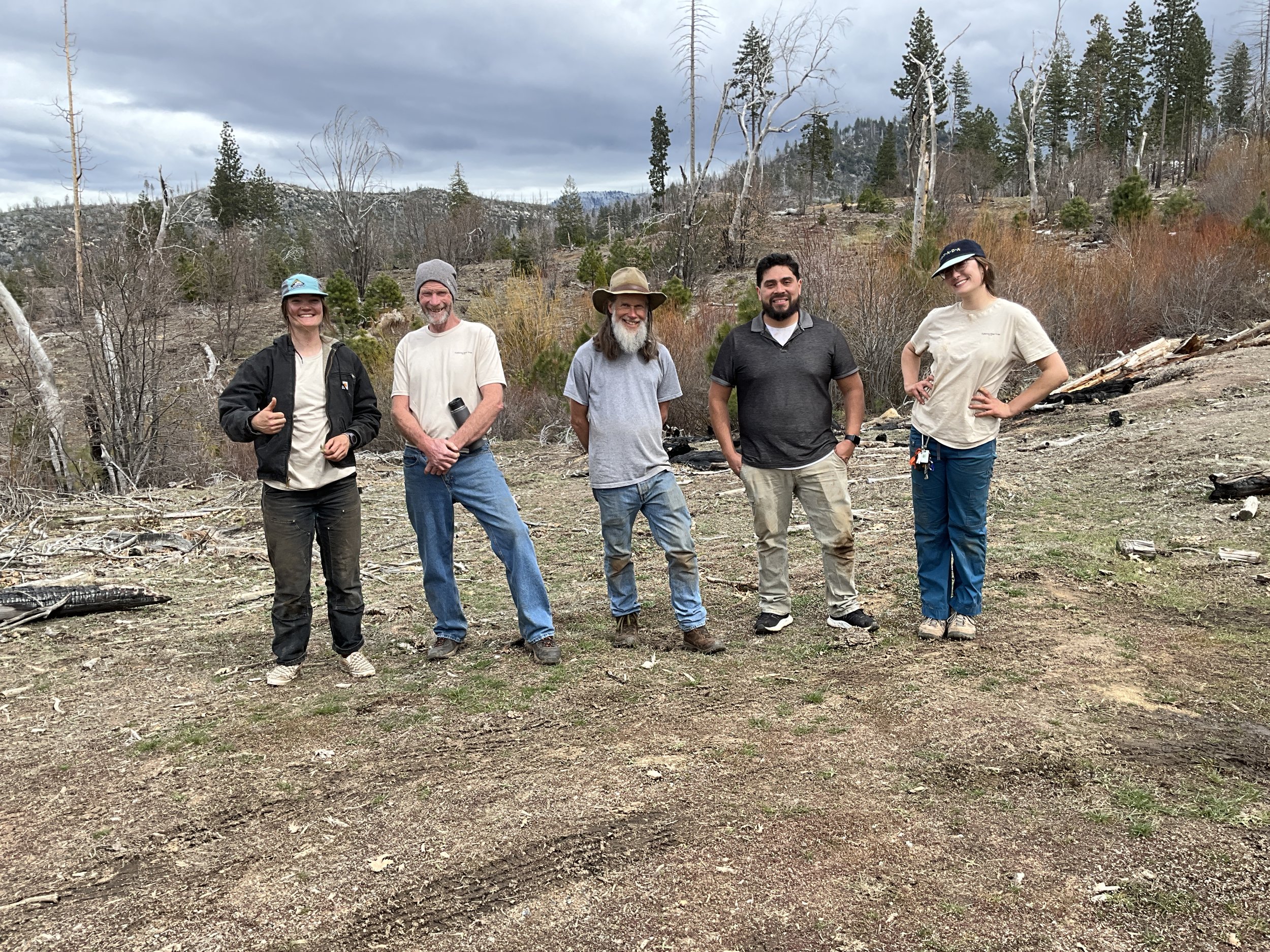
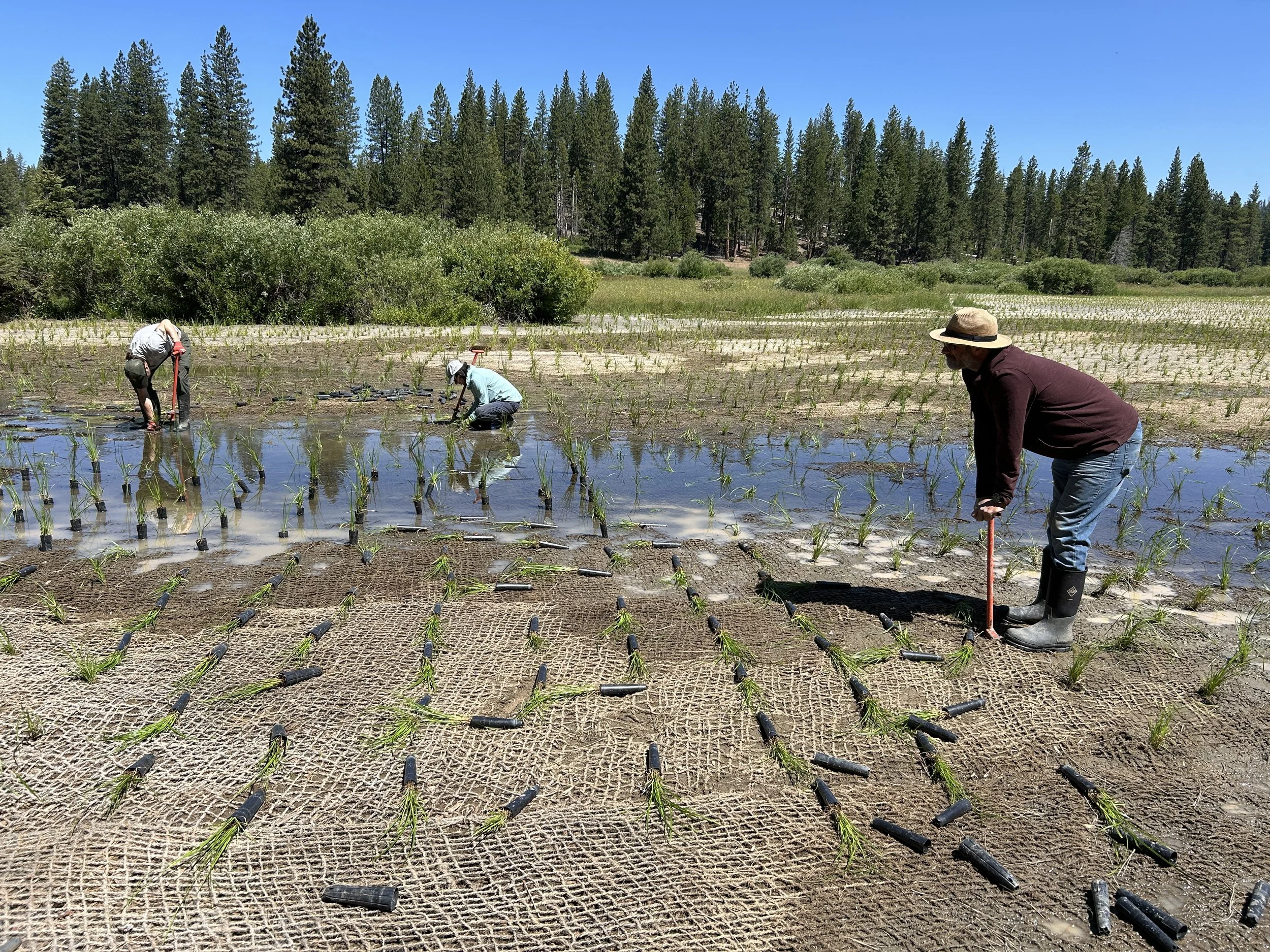
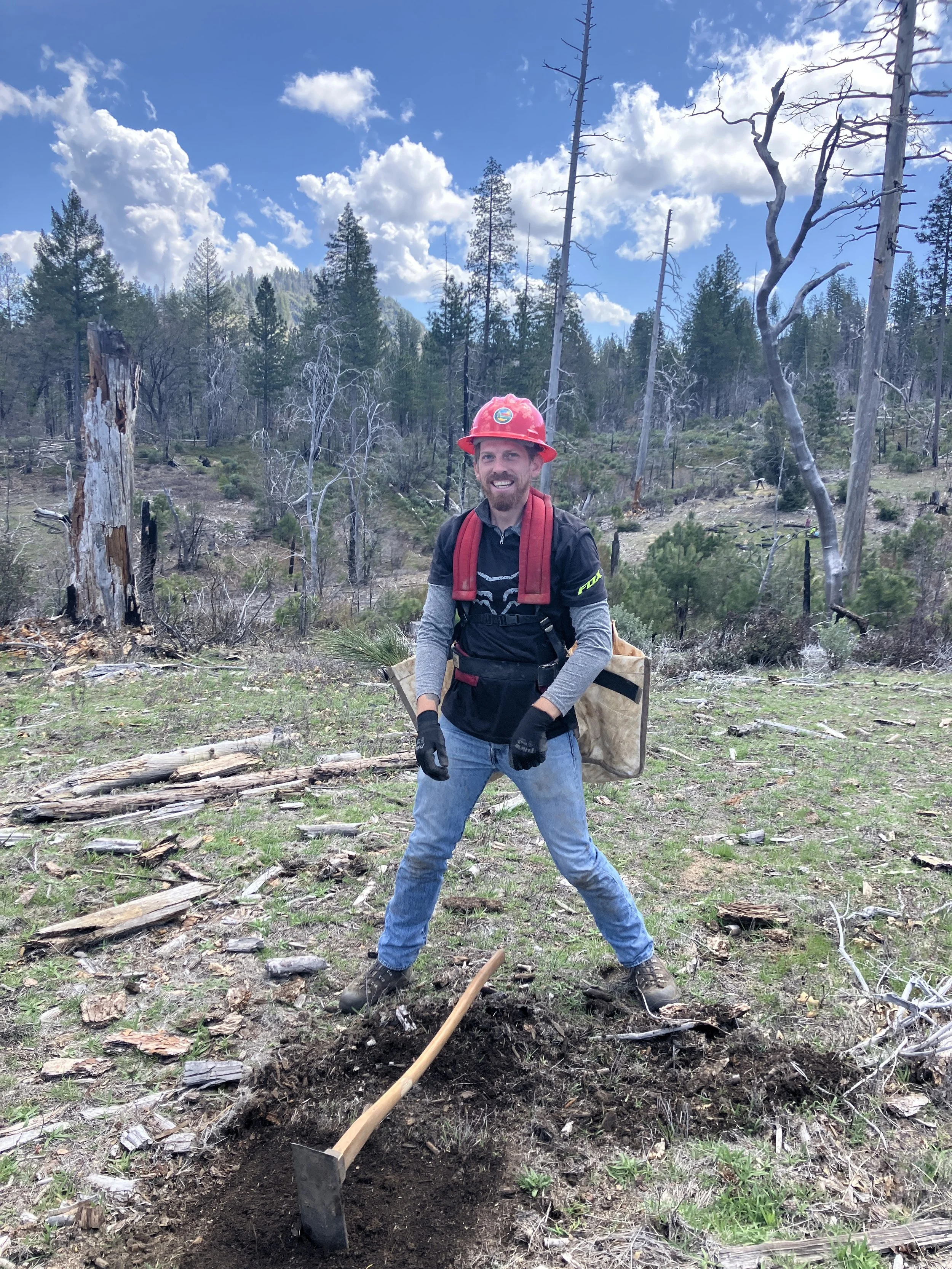
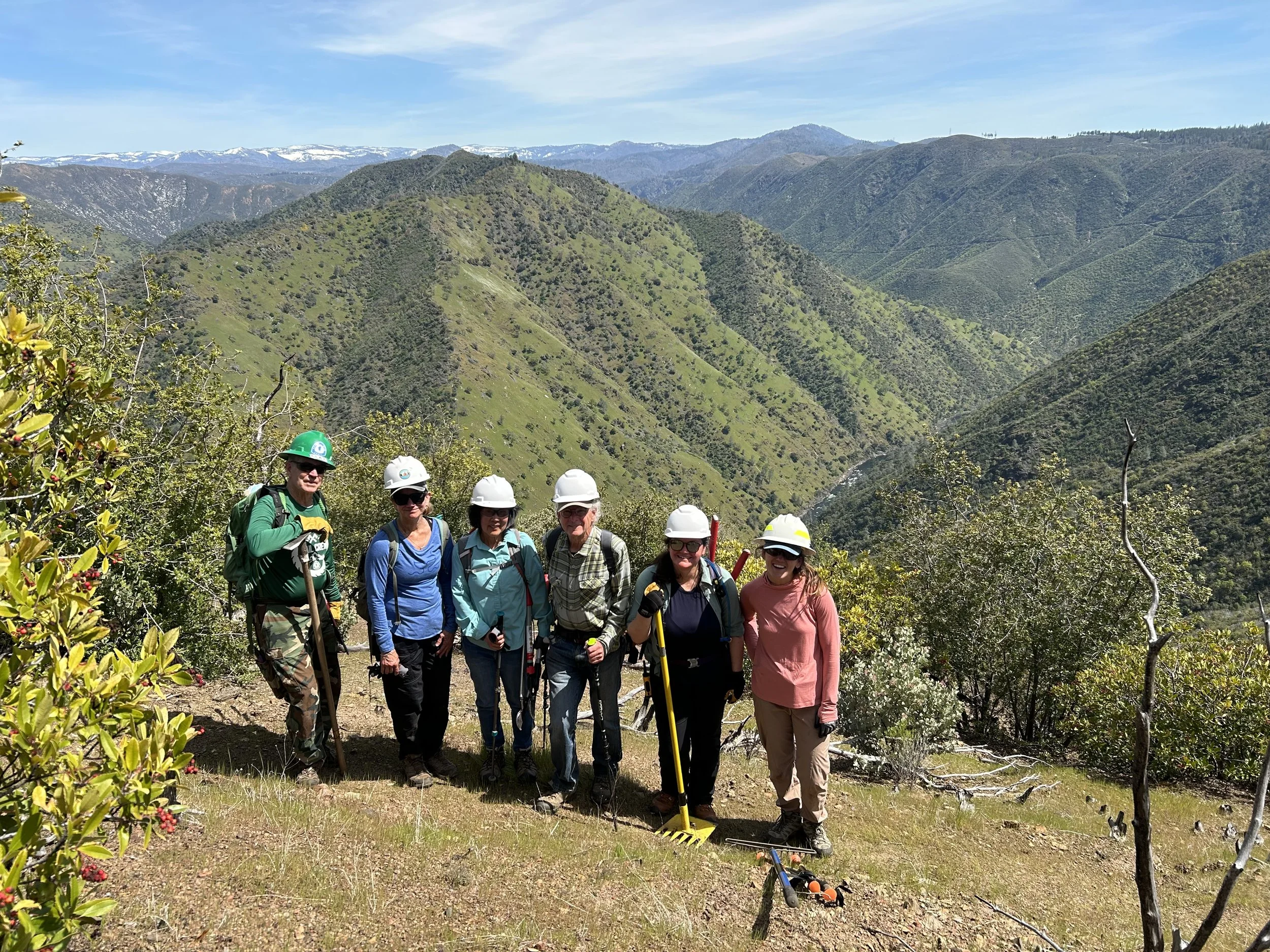
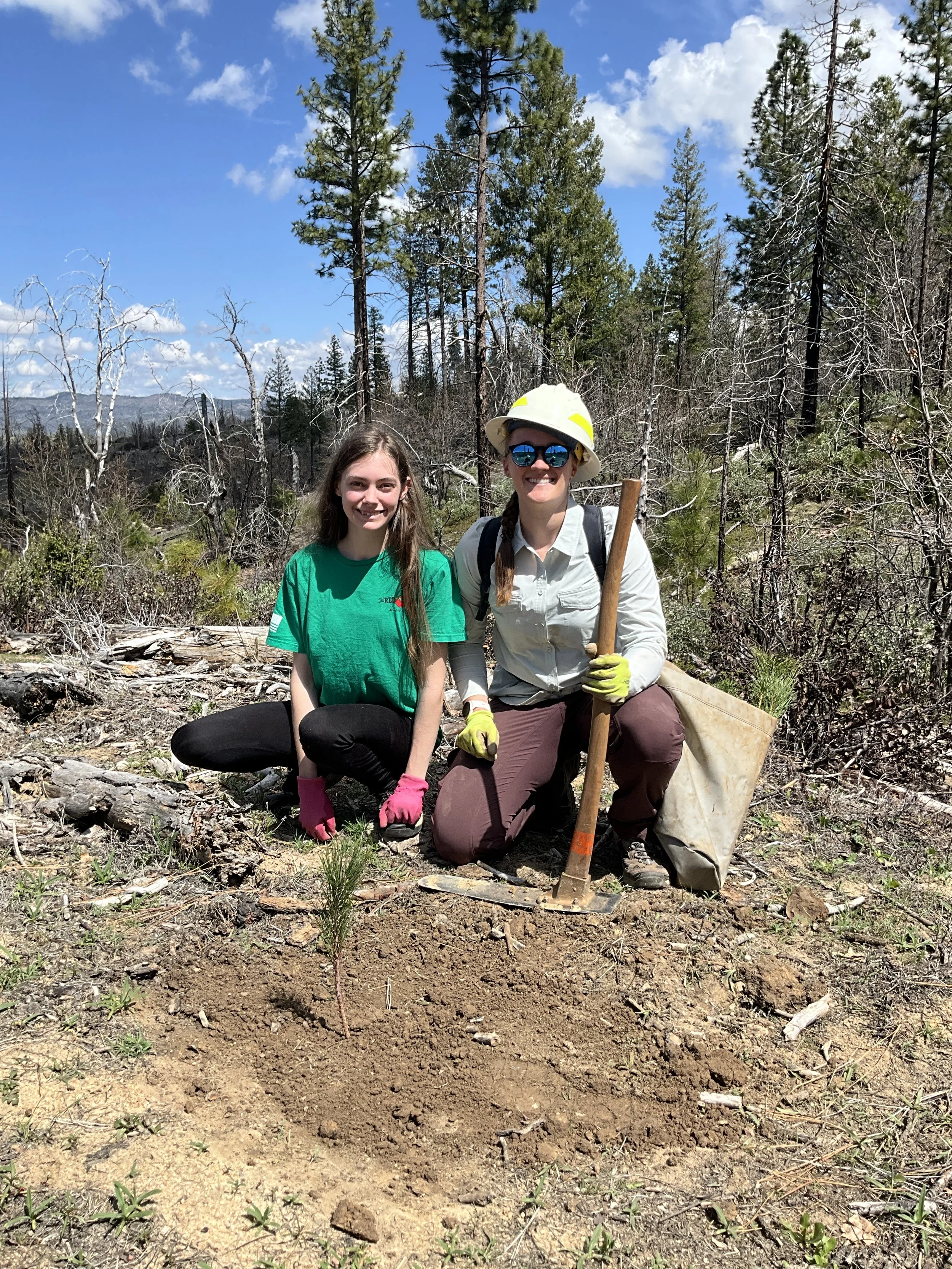
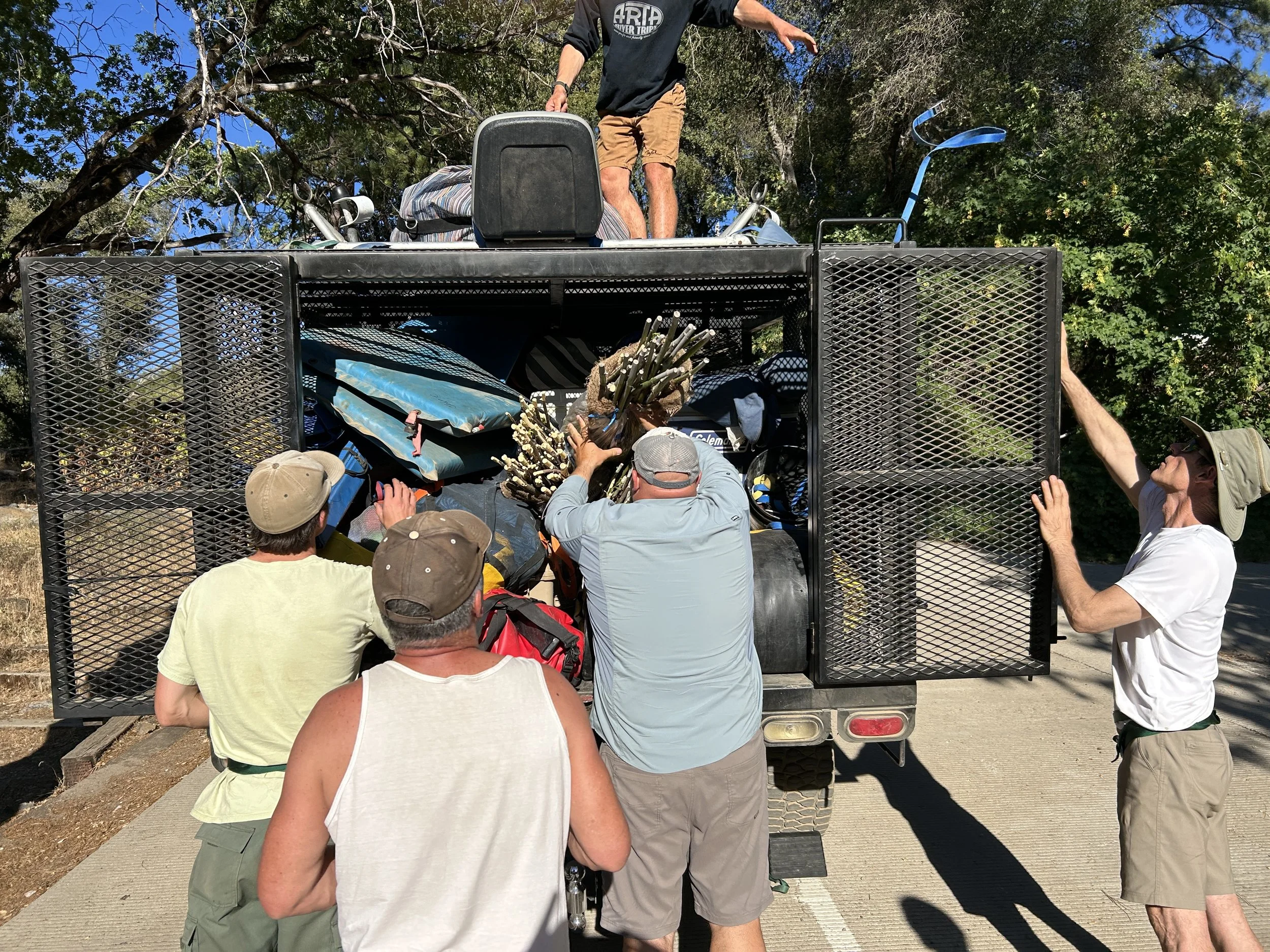
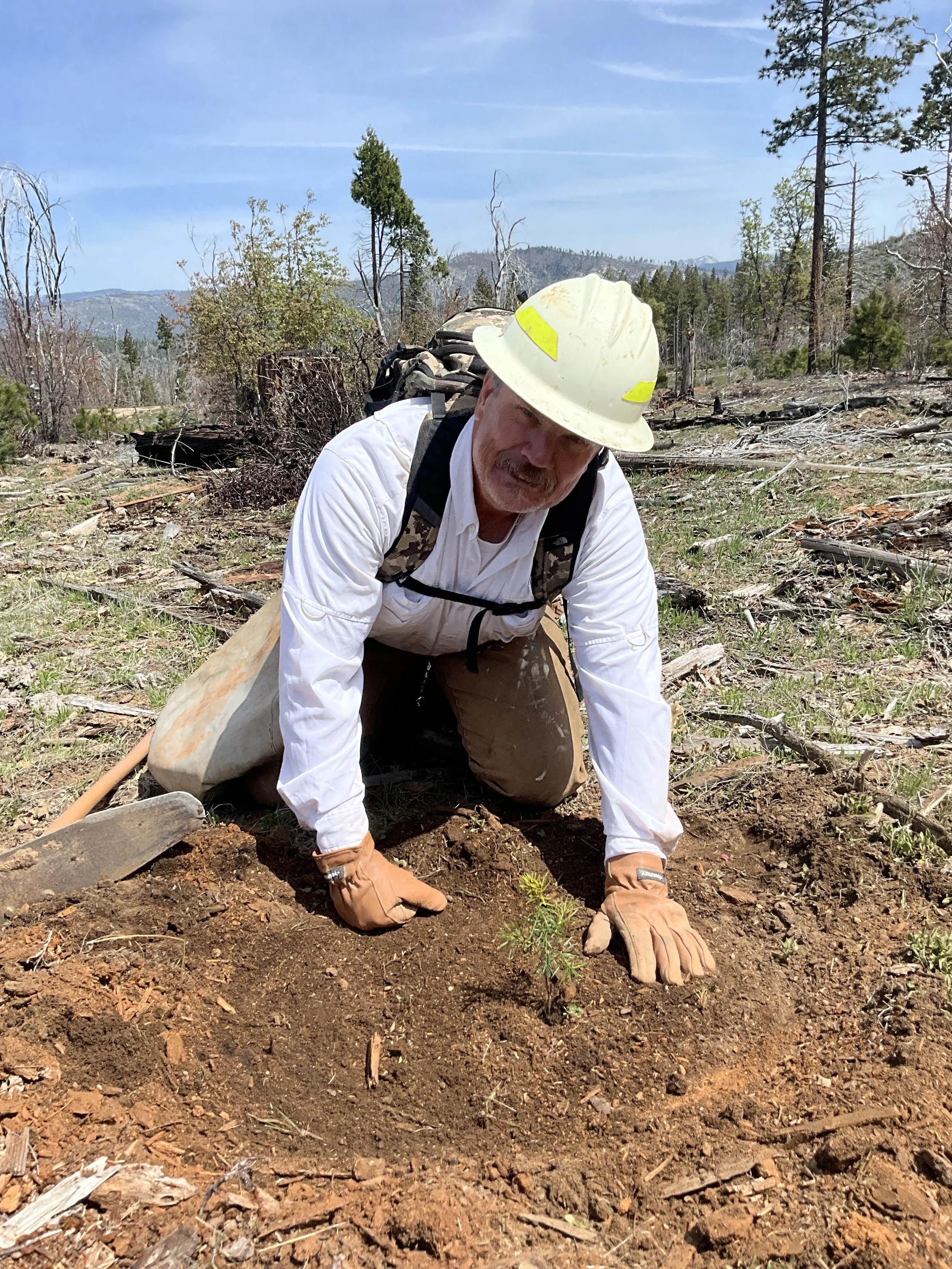
Together, volunteers donated time, strength, and spirit to protect our watershed.
174
Total Volunteers
1,107
Total Volunteer Hours
97
First-time Participants



Voices of Our River Guardians
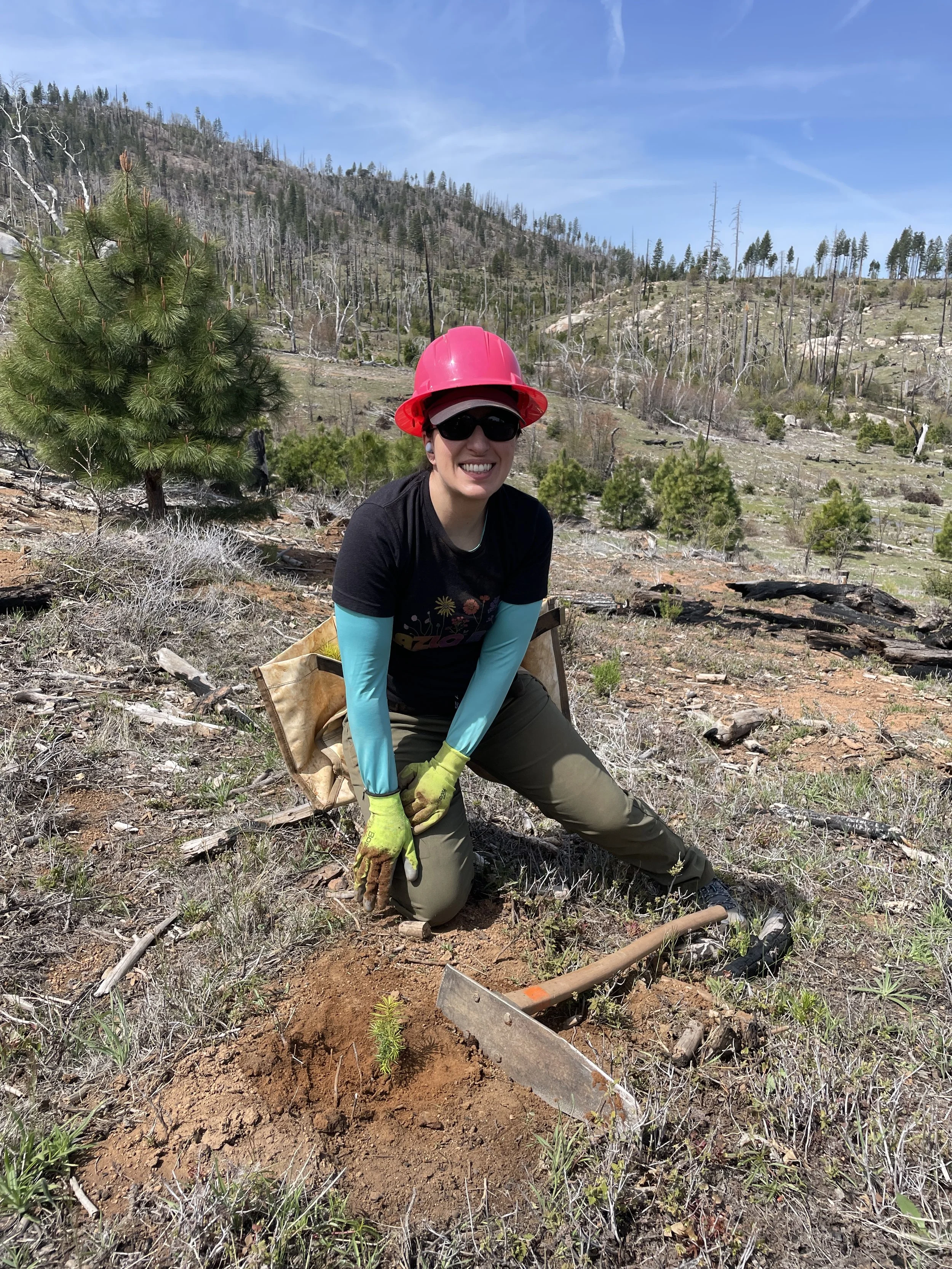
“I had been visiting 23 national parks and countless national forests. I feel like I owed this precious land and need to make a difference. So I signed up and I know this is a way for me to pay back the enjoyment I had.”
— Fenny Kirmil
“I volunteered to plant trees as a way to give back to my community. As a result, I'm very proud of the work we did! I truly feel like it makes a difference! My leaders were awesome!”
— Tom King
“Many years ago, I planted trees for wages. It was rugged piecework — camping near the sites, bouncing out in our own trucks at dawn, working in the rain, climbing over rocks and slash. Heavy tree bags dragged at our hips, and cold, chapped hands winced at the touch of seedlings and muddy ground.
Planting with TRT as a volunteer has been a real joy. To be in the high country when the morning sky is alive, working alongside people impassioned by conservation, and holding the sacred trust of the trees — it feels profoundly meaningful. The old days were hard, but I always felt good about what we were doing. There aren’t many endeavors where you can step back and know you’ve nurtured the planet.”
— Philip Bone
Partners in Action
Collaboration powers every acre restored, every youth engaged, and every voice raised for the river.
-
Murphy Ranch Meadow
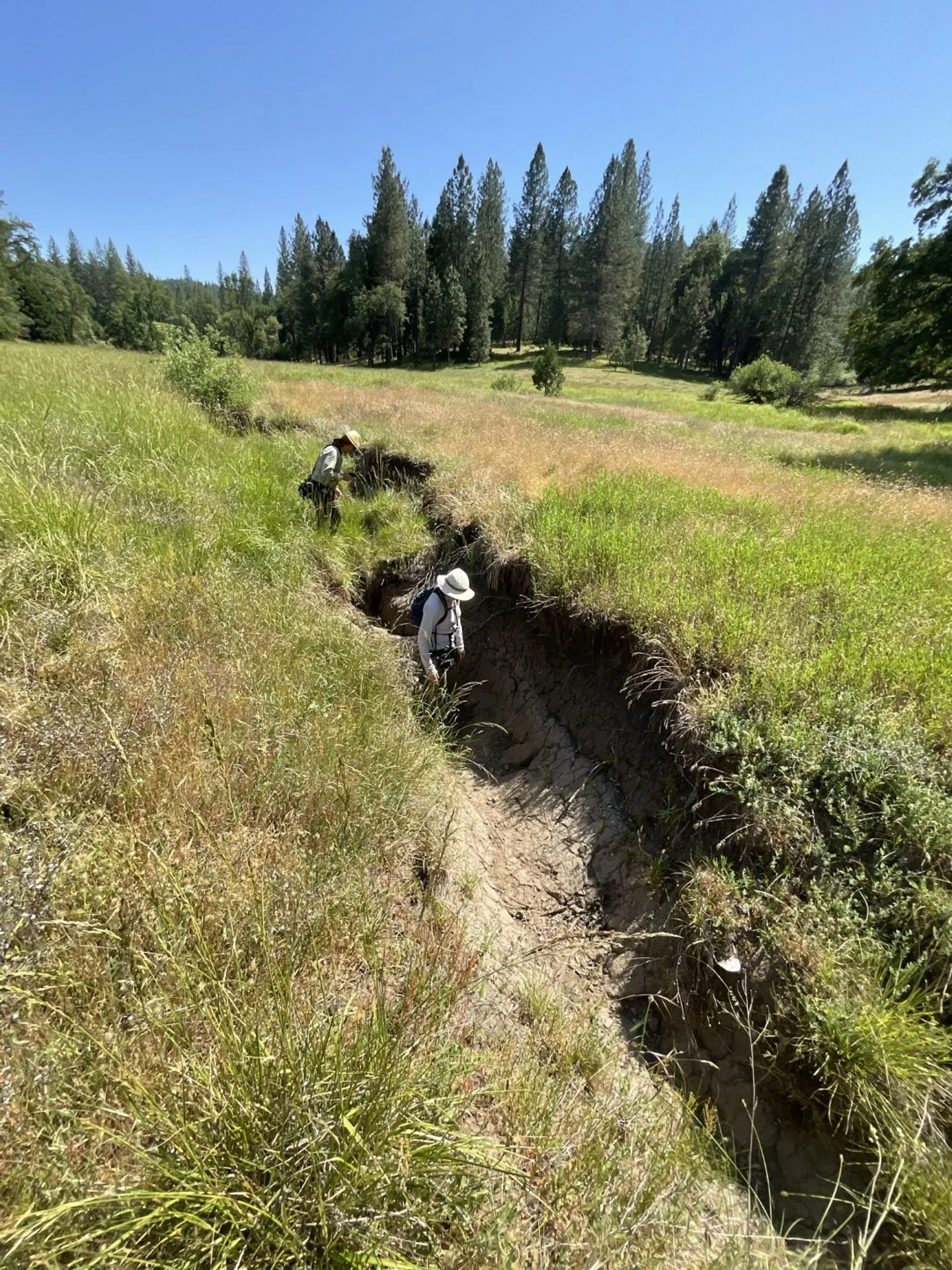
In partnership with the Tuolumne Band of Me-Wuk and Trout Unlimited, we’re co-designing restoration plans for Murphy Ranch Meadow, a tribally-owned site. Together, we’re developing fencing, water management, and habitat strategies that reflect cultural stewardship and ecological renewal.
-
Dos Rios State Park
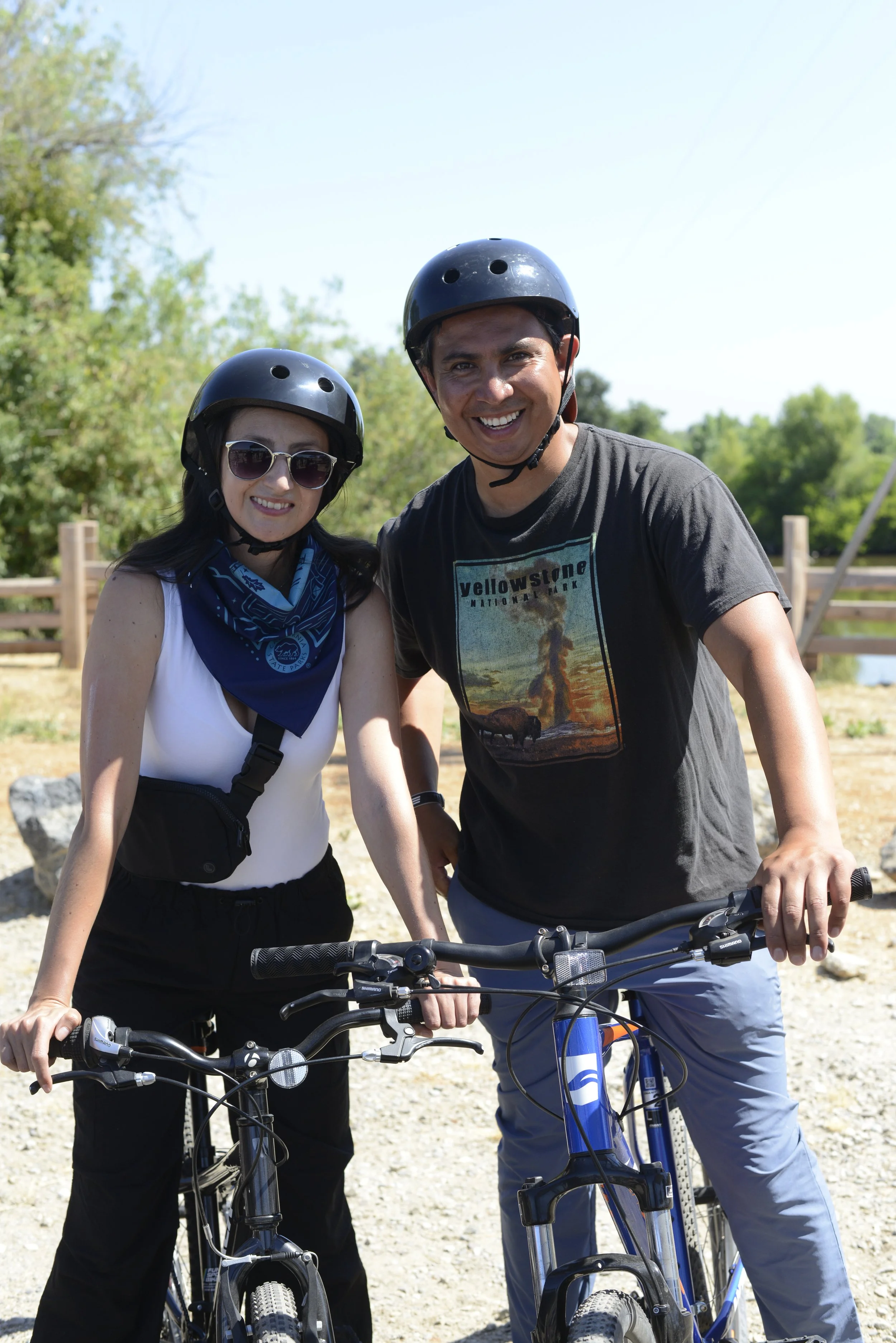
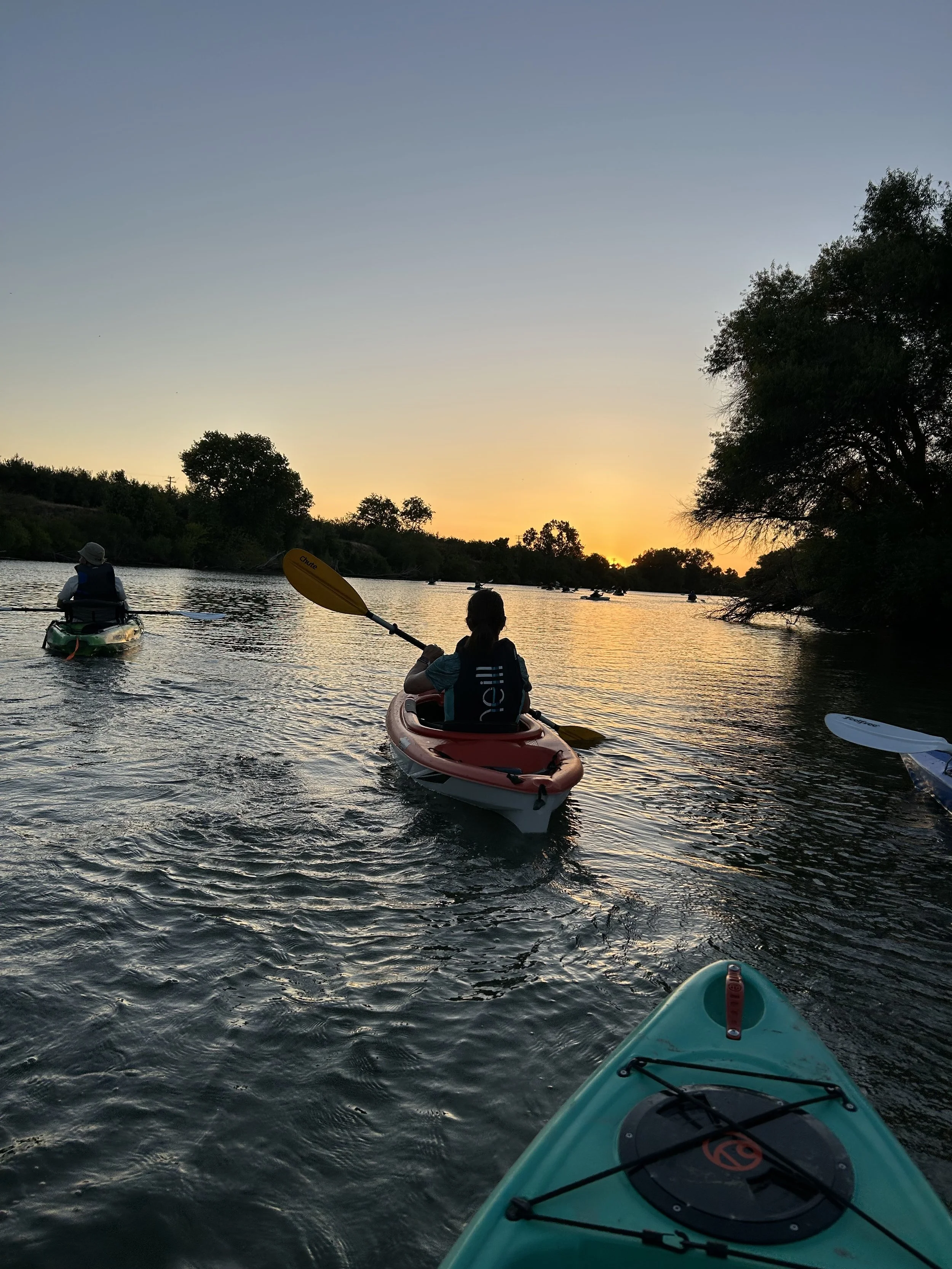
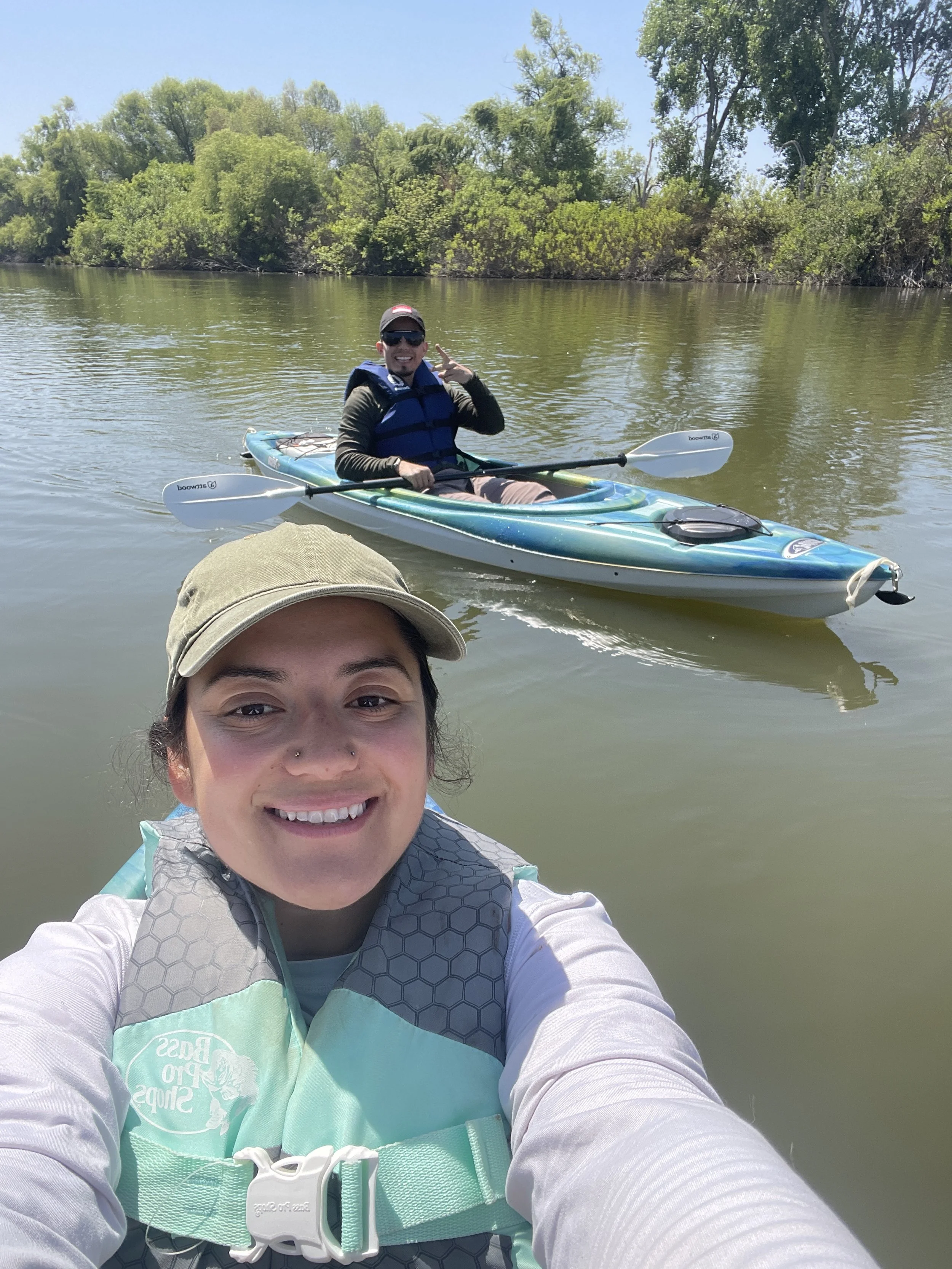
Our collaboration with Dos Rios State Park brought new ways for communities to connect with the river. Highlights included hosting a Sunset Paddle on the Oxbow Pond during State Parks Week, where participants learned from interpreters about the park’s unique history and wildlife.
-
Greater Valley Conservation Corps
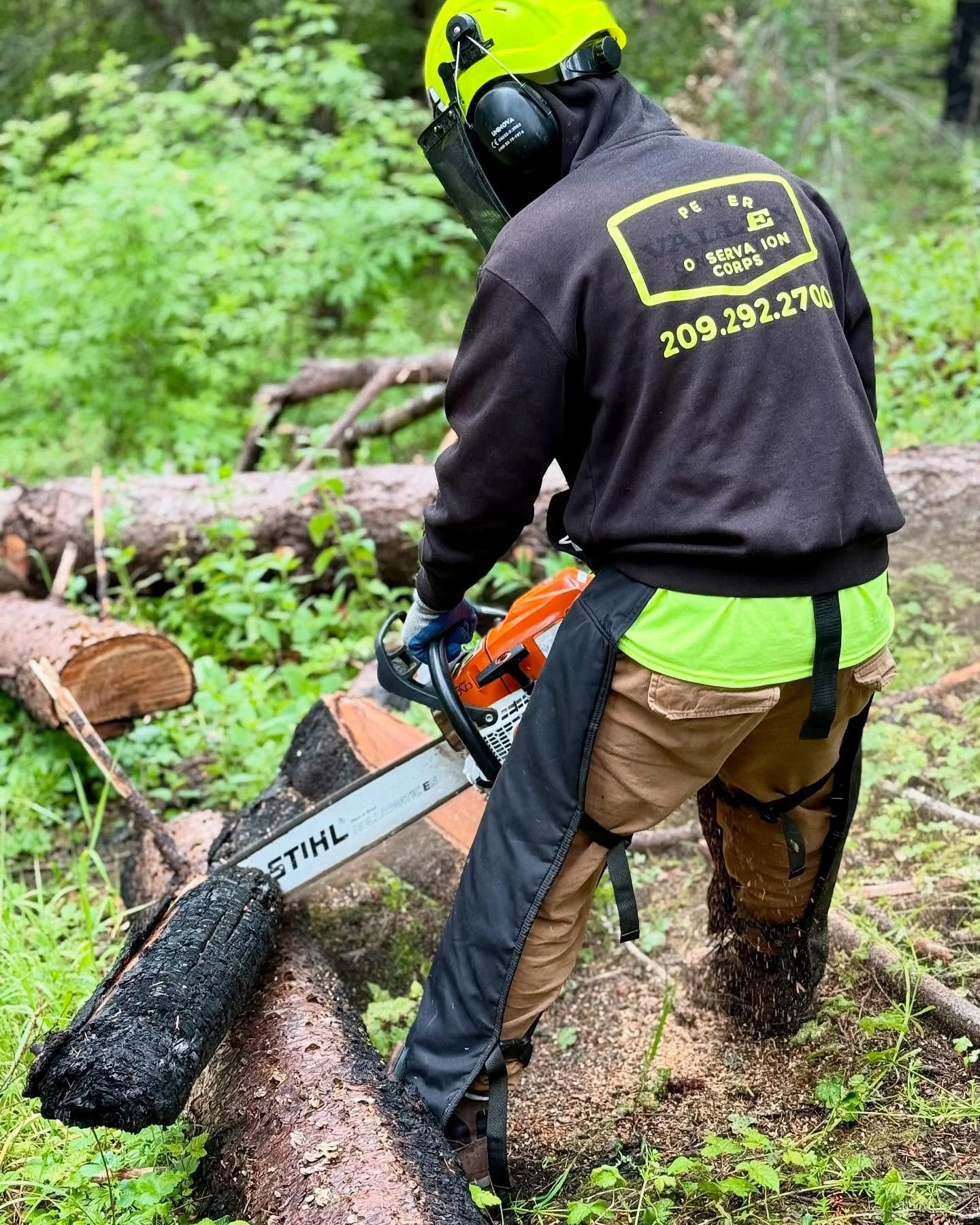
The Greater Valley Conservation Corps (GVCC) joined forces with TRT staff at meadows like Cottonwood and high-country reforestation sites. GVCC youth crews removed invasives, cleared encroaching conifers, built new restoration structures, and planted trees — hands-on work that strengthens ecosystems while training the next generation of conservation leaders.
The Road Ahead
The challenges facing our rivers and forests are immense — but so is our resolve. In the year ahead, we will expand salmon habitat through new floodplain projects that create vital space for fish and wildlife to thrive. We will strengthen forest resilience by launching SERAL 2.0, building on lessons learned to protect our communities from the threat of megafires. We will elevate community voice in Modesto, the Bay Area, and beyond, ensuring that the people most connected to the river are helping shape the policies and
plans that affect their future. And we will step into a bold new chapter for our organization — one that honors more than forty years of impact while rooting us firmly in the future.
None of this would be possible without you. Your generosity, advocacy, and volunteerism make every acre restored and every policy advanced a reality. Together, we are ensuring that the rivers and forests of the Greater Yosemite Region remain resilient for generations to come.