
Why You Might See Smoke Around Twain Harte and Cedar Ridge
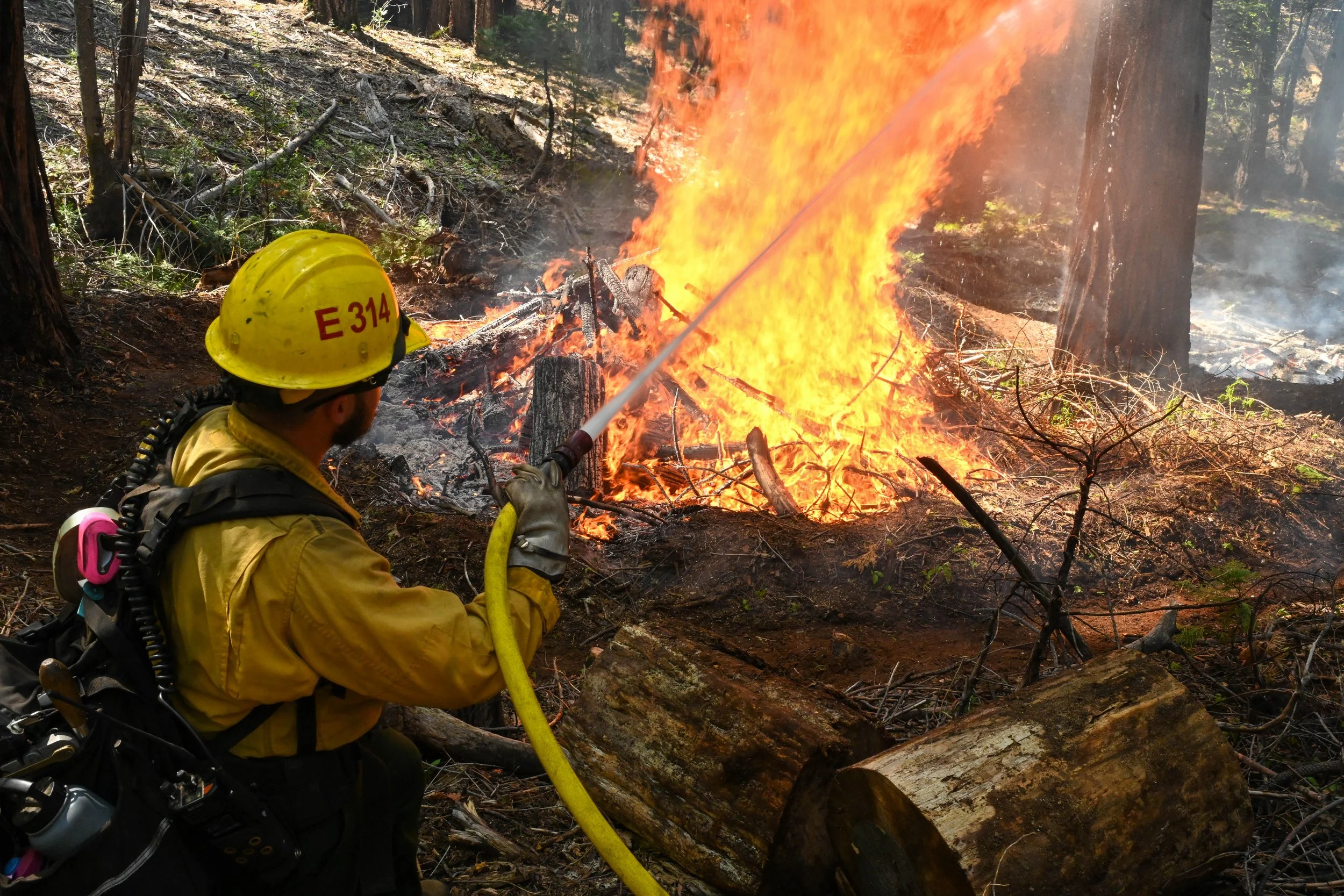
2025 - Cedar Ridge Pile Burn, Initial Ignitions by Stanislaus National Forest
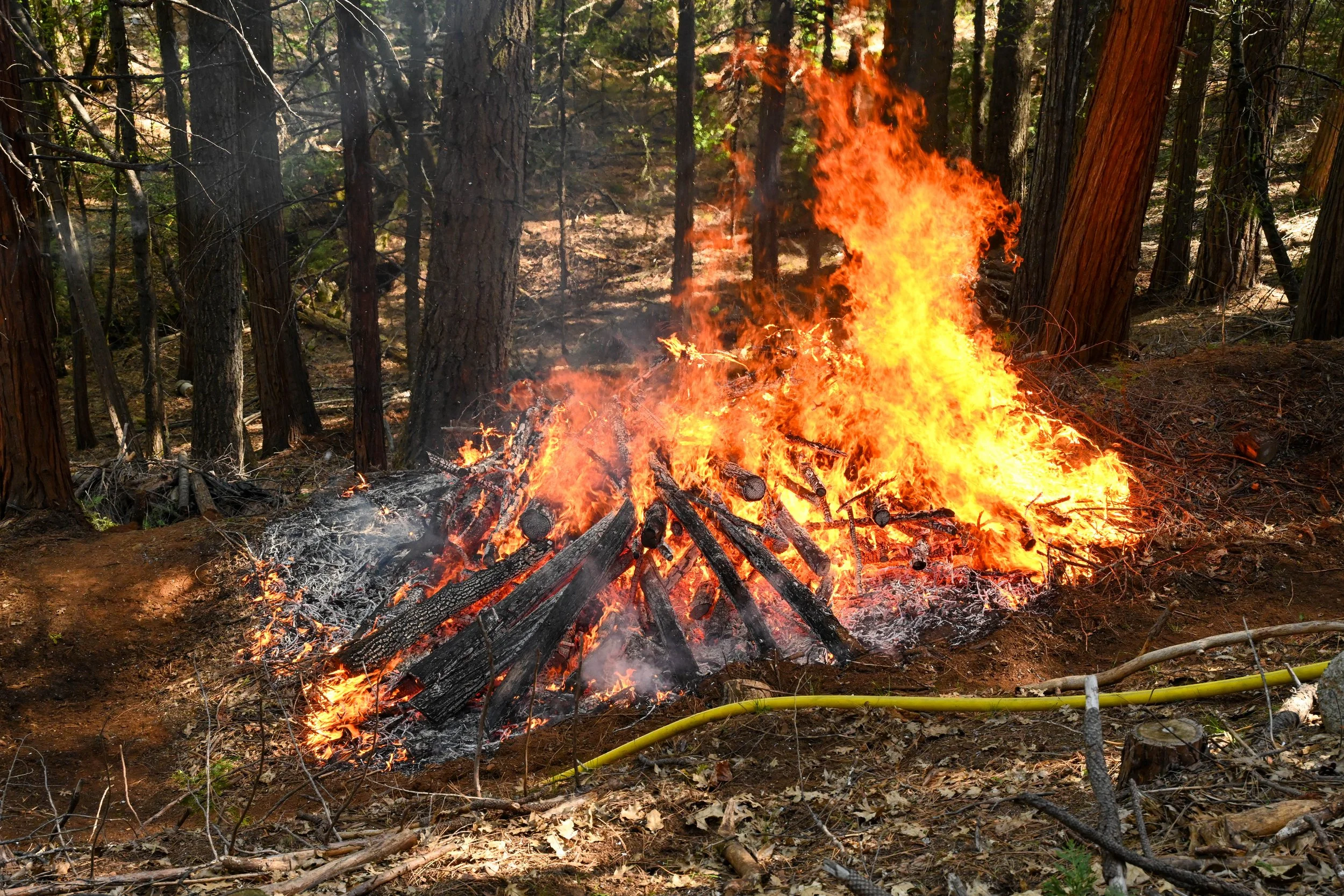
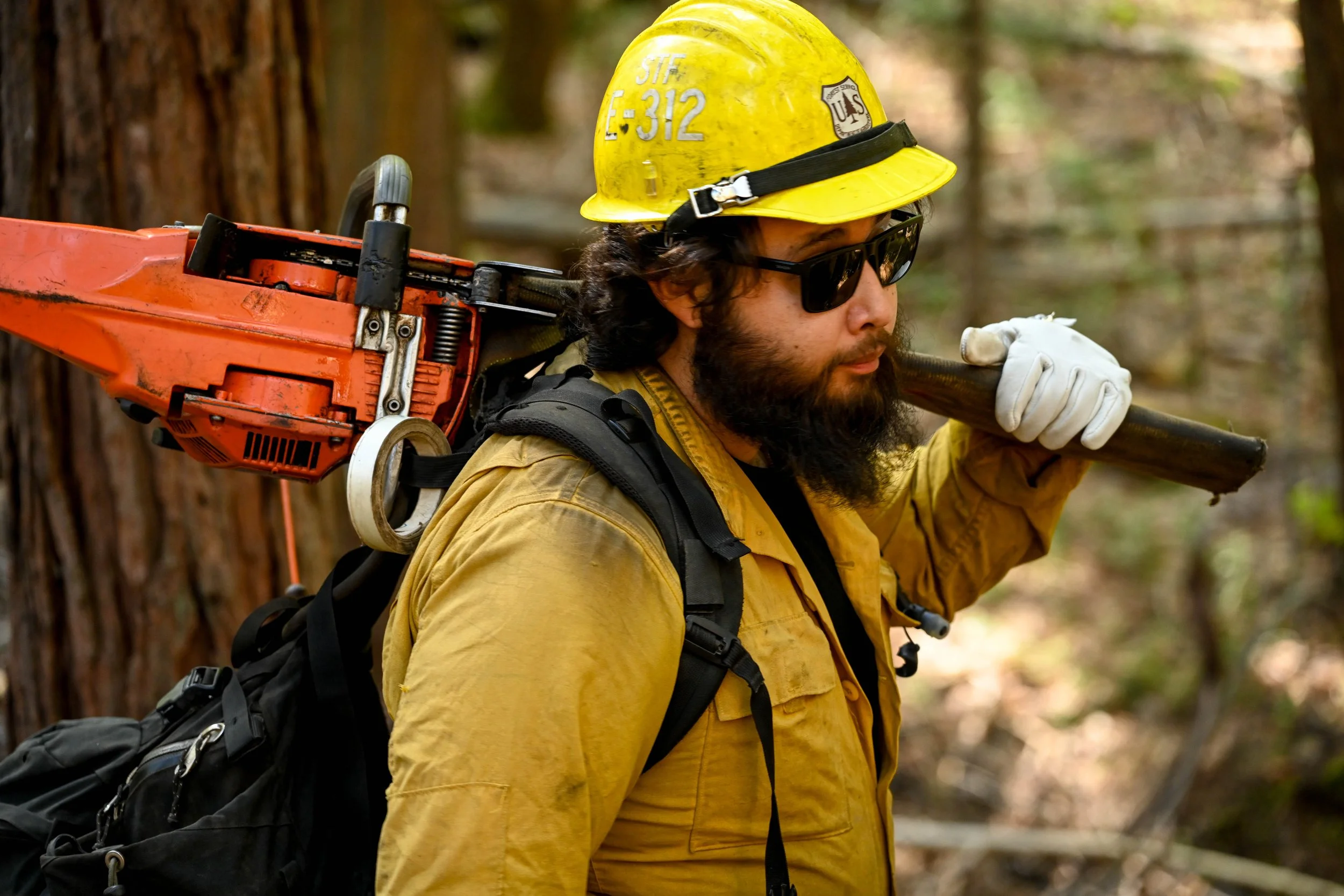
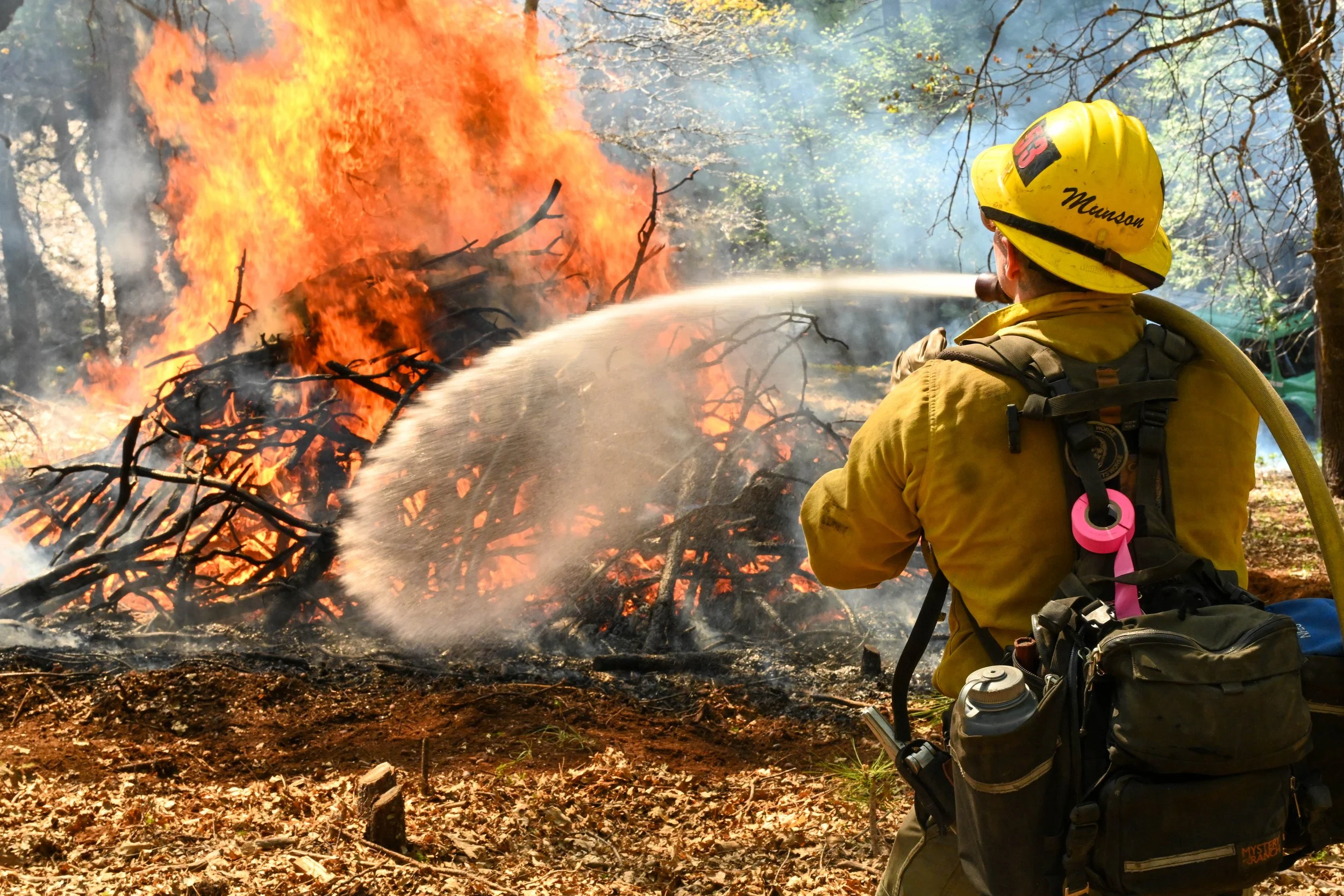
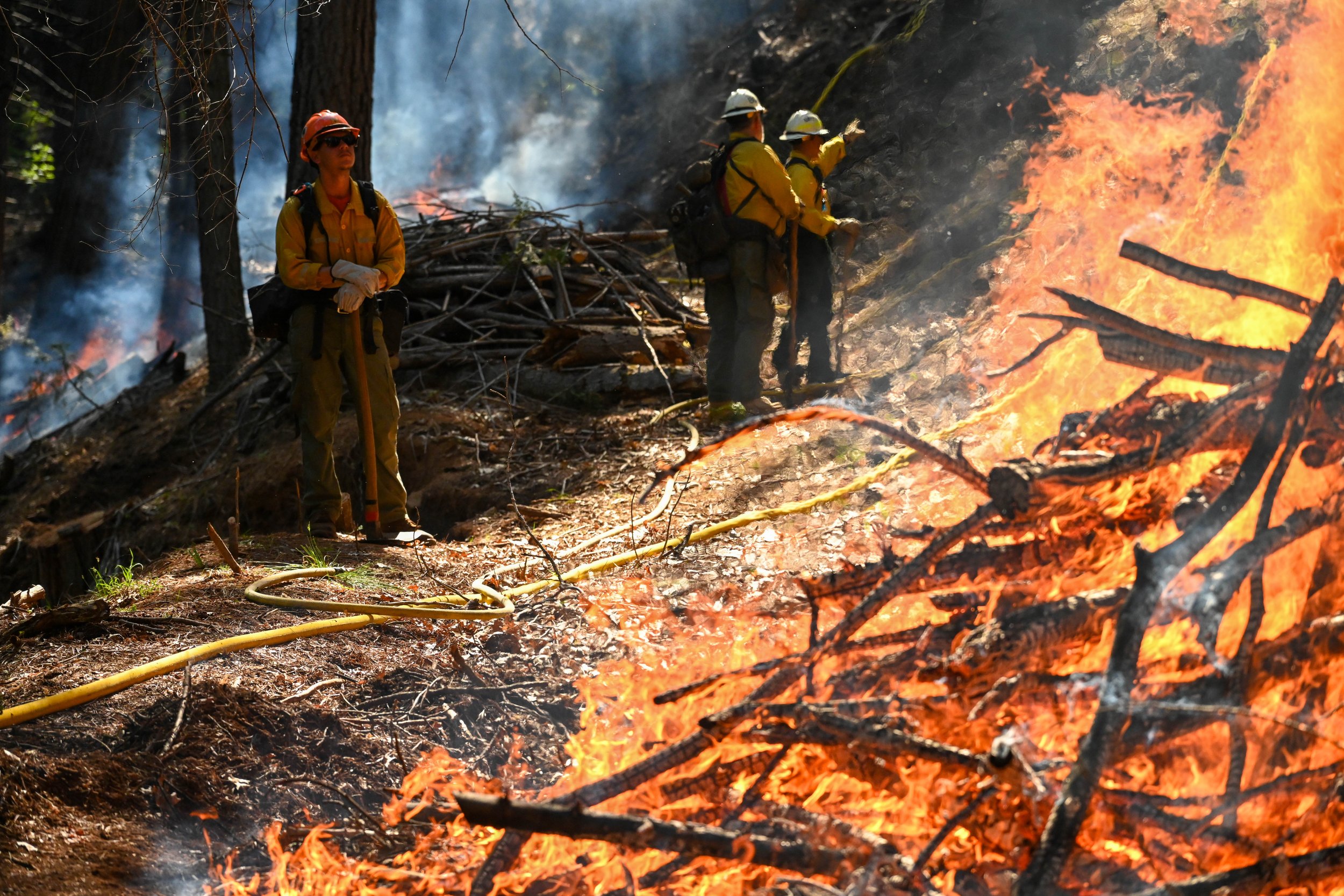
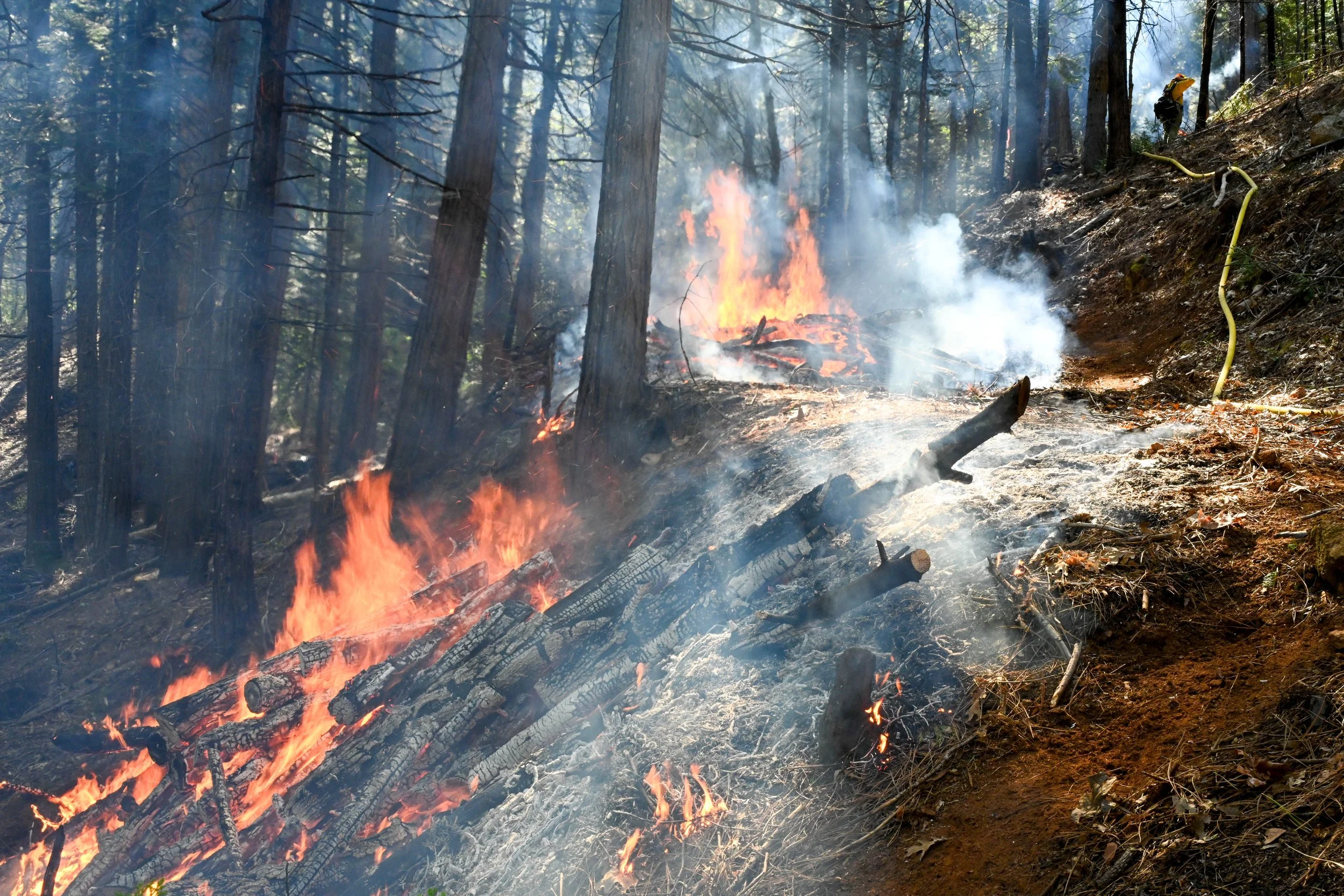
If you've noticed smoke rising above Cedar Ridge lately, don’t worry—it’s part of a carefully planned effort to protect our homes, forests, and water. Since April 22nd, crews from the San Bernardino, Sequoia, and Stanislaus National Forests have been methodically burning high-visibility piles throughout the Cedar Ridge area, focusing on locations near homes and trails.
"These pile burns represent the culmination of years of planning and hard work," says TRT Project Health Director Ben Campbell. "They’re making our communities safer and our forests healthier."
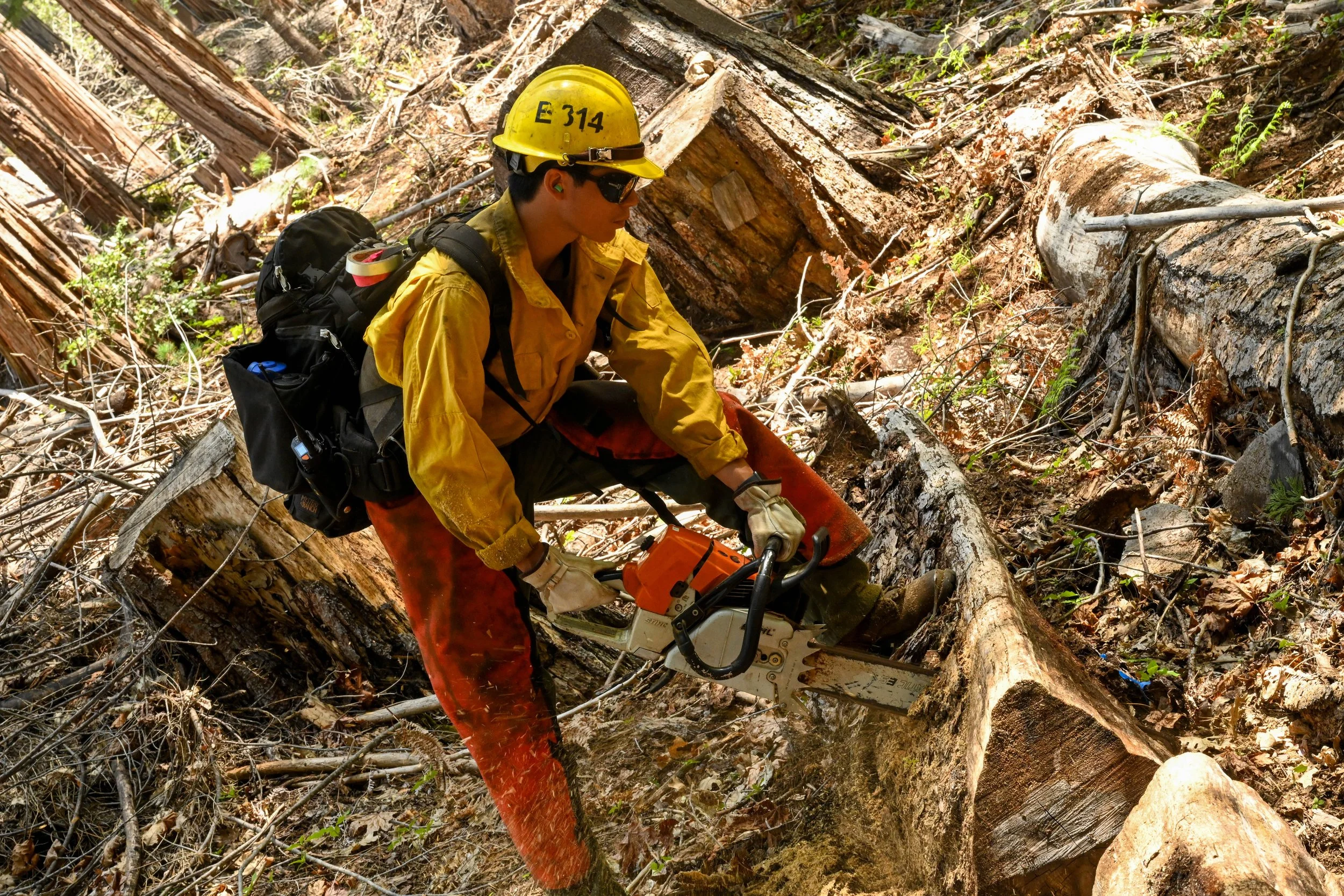
2025 - Cedar Ridge Pile Burn, Initial Ignitions by Stanislaus National Forest
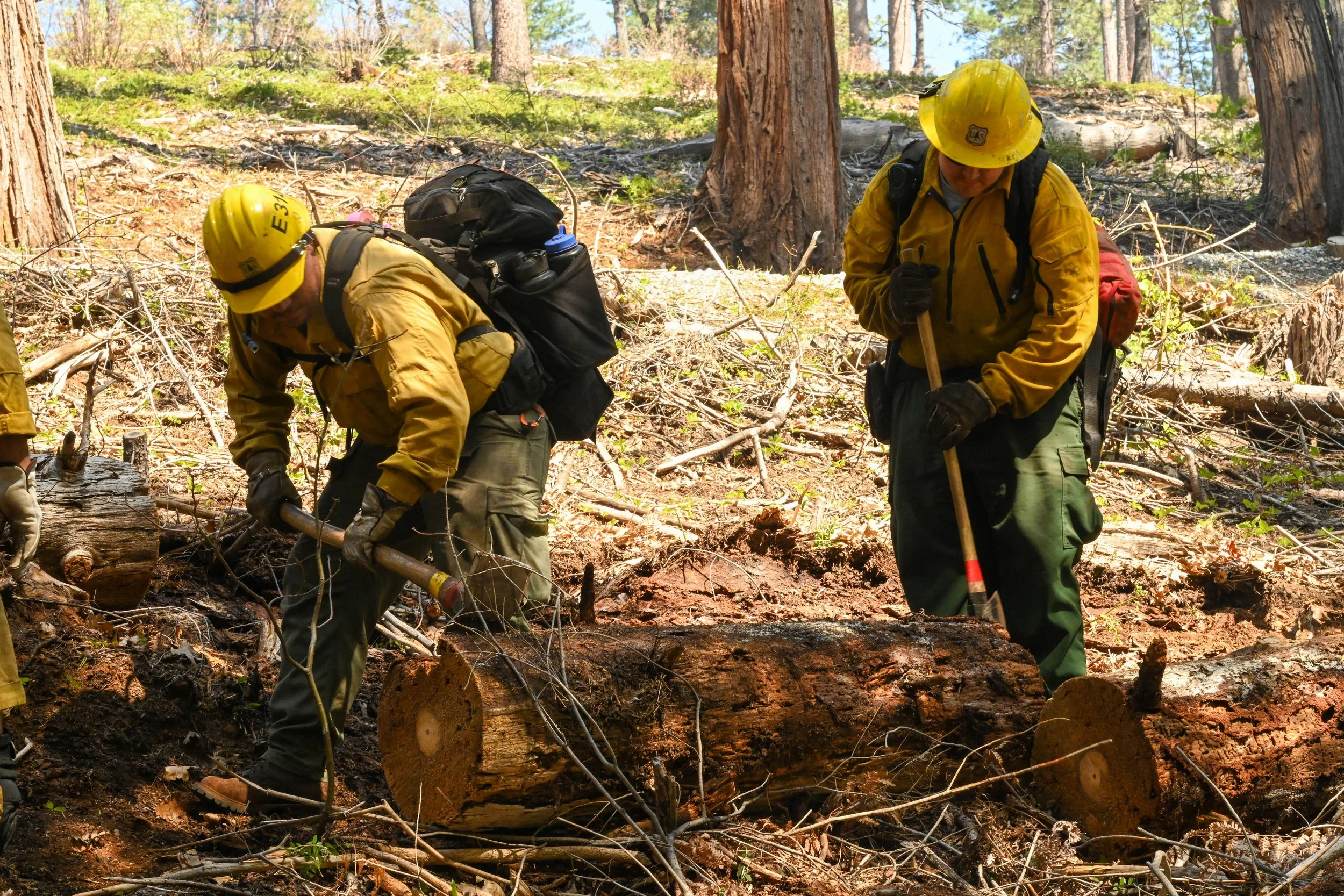
2025 - Cedar Ridge Pile Burn, Initial Ignitions by Stanislaus National Forest
The Journey to Fire Resilience: From Dense Forest to Fire-Ready
This isn’t just about smoke - it's about resilience. The Cedar Ridge Fuels Reduction Project began in 2021 under an partnership with the Stanislaus National Forest, Yosemite Stanislaus Solutions forest collaborative, Tuolumne County, and TRT. TRT has managed over 2,300 acres of treatments.
The project employed various fuel reduction techniques, including mastication (grinding up brush), hand thinning, and piling to create defensible space and improve forest health. These methods reduce flammable undergrowth, open forest canopy, and minimize hazardous fuels (dead wood and low branches) that could contribute to catastrophic wildfire. Additionally, the project increases forest health by creating a heterogeneous forest, more akin to conditions that existed before fire suppression became the norm.
A Collaborative Success Story
The Cedar Ridge project exemplifies the power of collaboration between federal agencies, local government, and non-profit organizations. Working within the framework established by the Yosemite Stanislaus Solutions (YSS) Collaborative, TRT has helped bridge the gap between planning and implementation.
"We’ve been able to turn plans into action," explains TRT Executive Director Patrick Koepele. "This work protects both people and ecosystems."

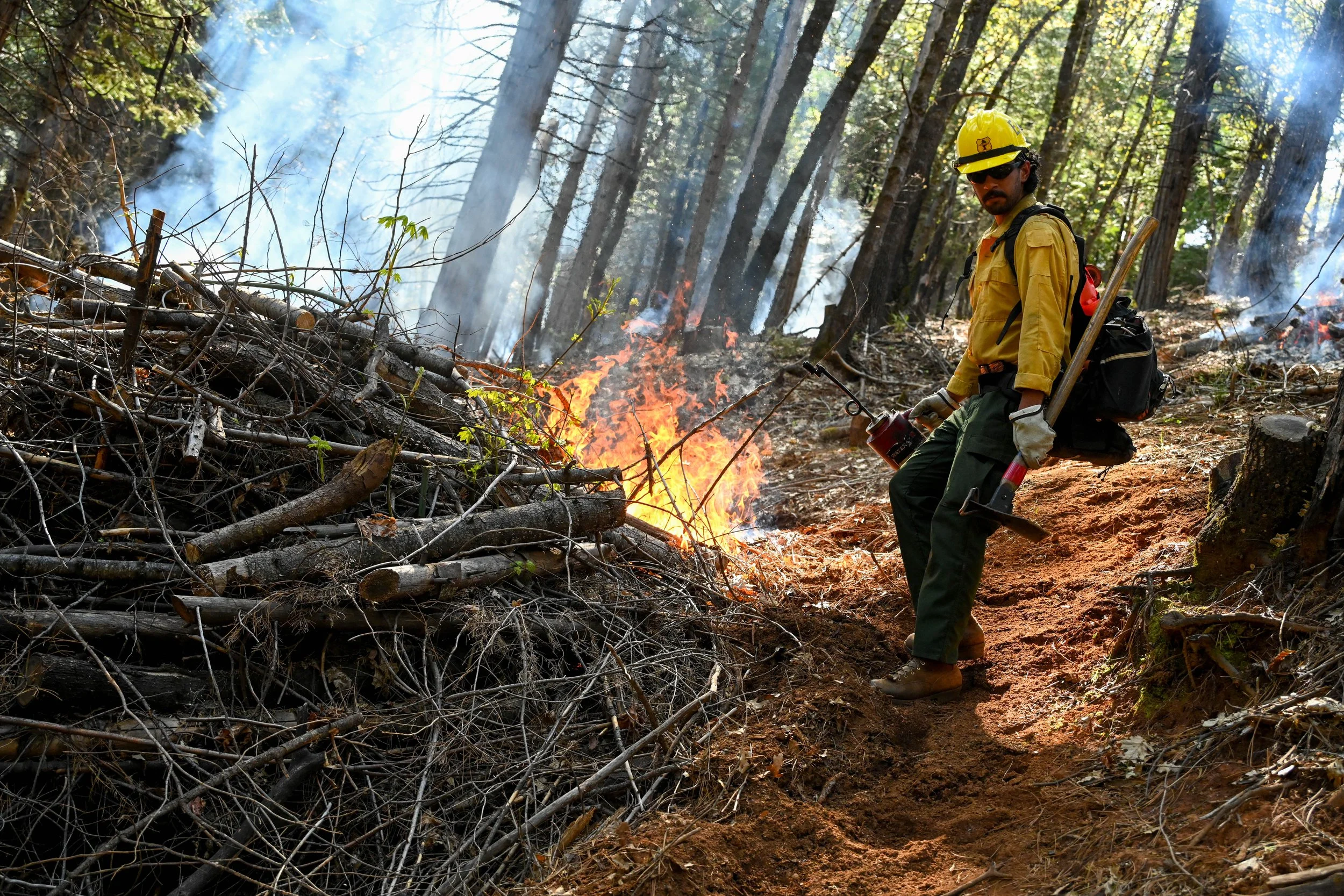
What’s Happening Now? The Current Burns
The current pile burning operations target materials that were hand-cut and piled during earlier phases of the project. With crews working to burn two to three acres of piles daily, the operations are expected to continue for approximately two weeks, weather permitting.
These burns are conducted under carefully monitored conditions, with crews following strict guidelines established in the project's fire plan. The timing of these burns is strategic, taking advantage of favorable spring conditions before the higher fire danger of summer arrives.
Looking Forward: Forest Health and Community Safety
The Cedar Ridge Fuels Reduction Project represents just one component of TRT's broader commitment to watershed health and community safety. By reducing ladder fuels and creating strategic fuelbreaks, the project helps protect not only Cedar Ridge but also critical watershed resources within the Yosemite Region.
"This isn’t just about fire," notes Patrick. "It’s about protecting the things we love - clean water, wild places, and safe communities."
Yes, There Will Be Some Smoke
As the pile burning operations continue, residents can expect to see occasional smoke in the area, particularly in the mornings. The temporary inconvenience is a small price to pay for the long-term benefits of reduced wildfire risk and improved forest resilience.
