
Trailer Bills Defeated. What That Means for the Tuolumne—and What’s Next.
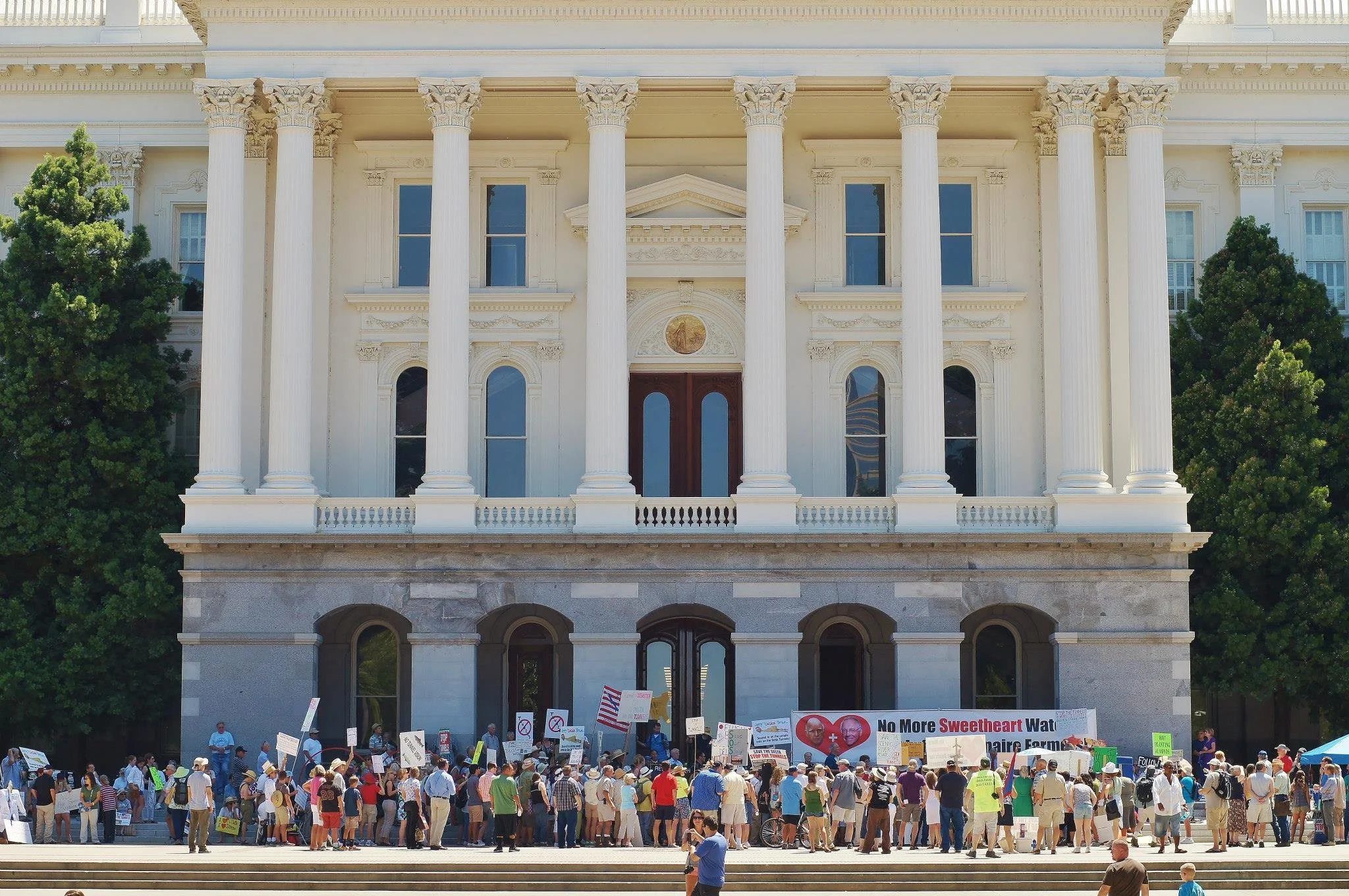
California’s water politics shifted slightly in our favor this month. A broad coalition of Tribes, fishing groups, conservation advocates, Delta communities, and partners across the state beat back a set of budget trailer bills that would have fast-tracked the Delta Tunnel and carved out sweeping shortcuts around the Bay-Delta Plan. Their defeat keeps the door open for science-based rules that protect salmon, rivers, and the communities that depend on them.
Where things stand right now
The State Water Resources Control Board (State Water Board) canceled its late-September hearing and comment period on the revised Sacramento/Delta update to the Bay-Delta Plan. The Board says it will recirculate portions of the draft analysis and release updated materials in December 2025, with new hearing dates to follow. For salmon and rivers, this pause is a chance to push for a plan that actually restores flows and habitat—rather than locking in status quo declines.
The current draft Bay-Delta update includes two pathways: a regulatory “flow-based” approach and a competing package of voluntary agreements (dubbed Healthy Rivers & Landscapes (HRL) by the water diverters). How these options are ultimately shaped will decide how much real water reaches salmon-bearing rivers like the Tuolumne—and whether habitat restoration is enforceable, measurable, and durable.
Meanwhile, the Governor’s failed attempt to introduce trailer bills—including CEQA-related carve-outs for the Bay-Delta Plan and fast-tracking for the Delta Conveyance Project—was decisive. That outcome preserves normal public review and environmental safeguards at the very moment they’re most needed.
Why this matters for the Tuolumne
Our watershed is part of the greater Bay-Delta system. When the Bay-Delta Plan sets stronger, enforceable flow standards, the Tuolumne benefits: salmon runs rebound, water quality improves, and downstream communities gain resilience. When standards are delayed or diluted, we all pay the price—fishers, farms, cities, and the wildlife that make this place home. (The recent draft contemplates both HRL and a regulatory pathway; the details will determine whether real, measurable outcomes reach the river.)
What’s coming up next
October 2, 2025: Mark your calendars. The Palo Alto League of Women Voters will host a water symposium featuring TRT’s Peter Drekmeier, Felicia Marcus, and others at 7pm. Register here.
Re-release of materials in December 2025, followed by a new public hearing and written comment window. We will mobilize supporters to show up again—with science, lived experience, and a clear call for stronger flows and accountable restoration.
Delta Tunnel proceedings continue on a separate track. We’ll keep working with partners to oppose a tunnel that would further starve rivers and estuary habitat, and instead champion investments that restore rivers, support salmon, and secure sustainable supplies.
Our take
This moment is a reminder that people power works. Defeating the trailer bills wasn’t just a Sacramento skirmish; it was a stand for transparent process, Tribal consultation, environmental justice, and the future of salmon. With hearings rescheduled and new documents coming in December, we have another chance to insist on a Bay-Delta Plan that puts rivers and communities on a path to recovery.
How you can help
Be ready to comment. We’ll share talking points and a quick action tool as soon as the new materials drop.
Spread the word: Share updates with your networks so more Californians know what’s at stake.
Support the work. Our advocacy is powered by donors and volunteers who care about healthy rivers and thriving communities.
Together, we can make sure the Tuolumne—and the whole Bay-Delta—gets the flows and habitat it needs to recover.
